



Classic Wall Mirror
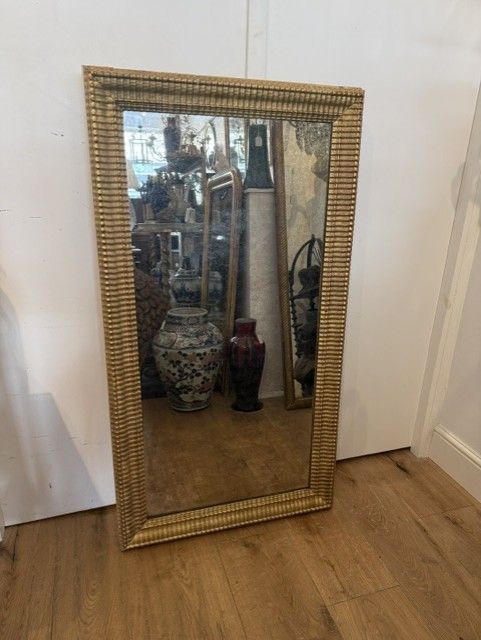
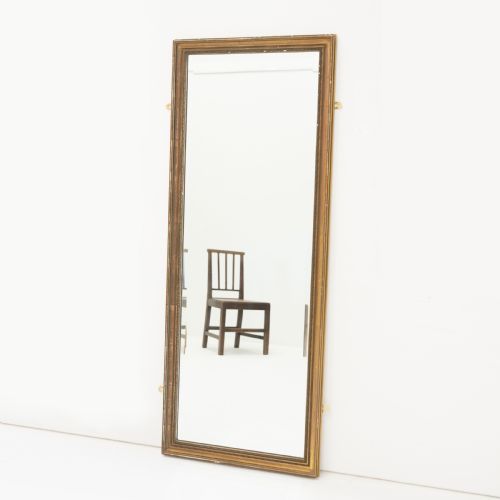
A classic wall mirror reflects interior space through periods ranging from the seventeenth century to the twentieth, framed in giltwood, mahogany, and gesso.
Classic Wall Mirror
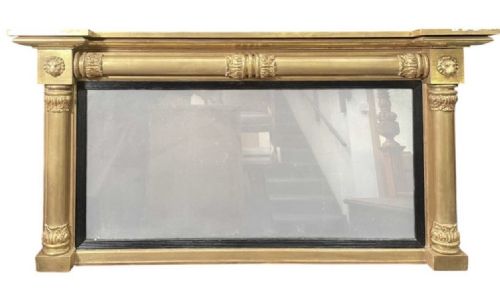
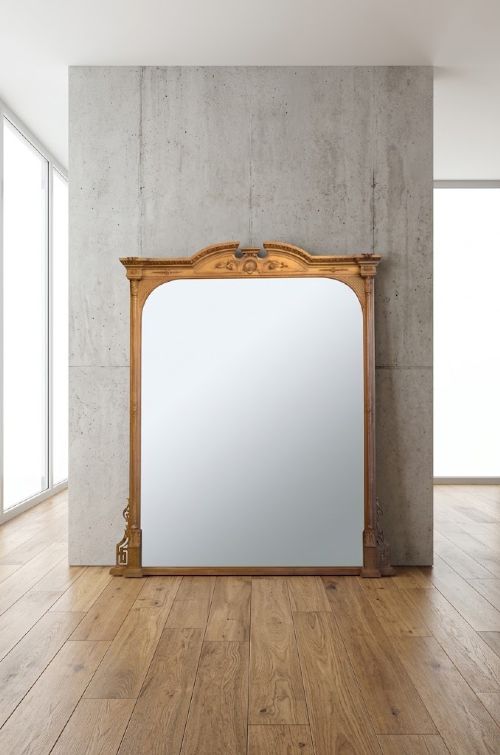
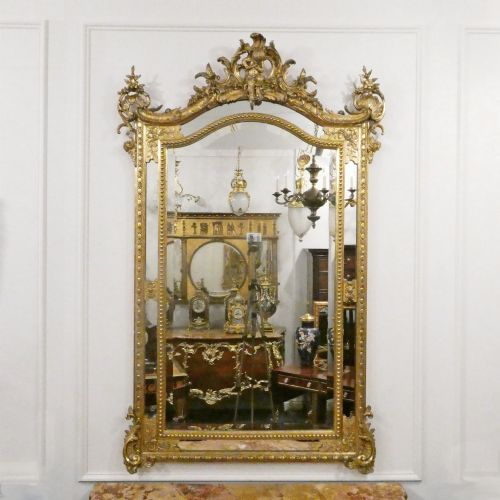
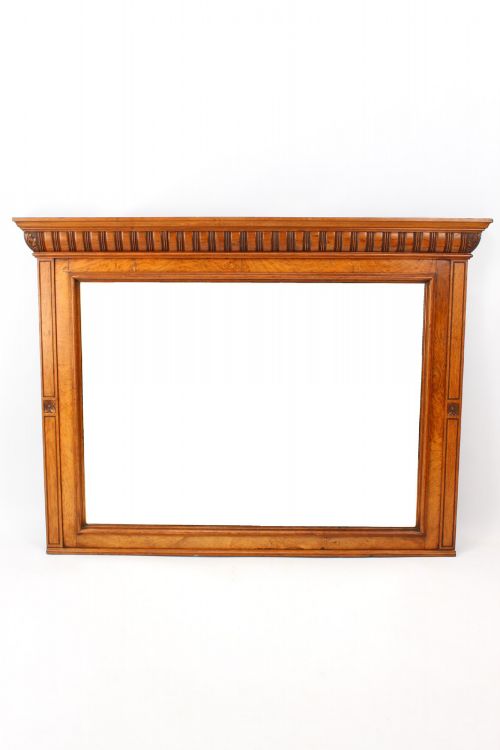
A classic wall mirror serves both practical function and decorative presence, frequently appearing as large overmantels designed to sit above a fireplace. These pieces span the eighteenth, nineteenth, and early twentieth centuries, drawing on Georgian, Regency, Victorian, and French styles.
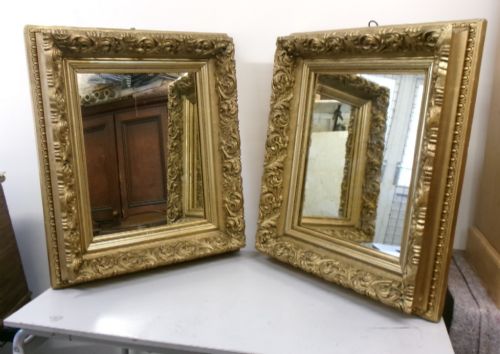
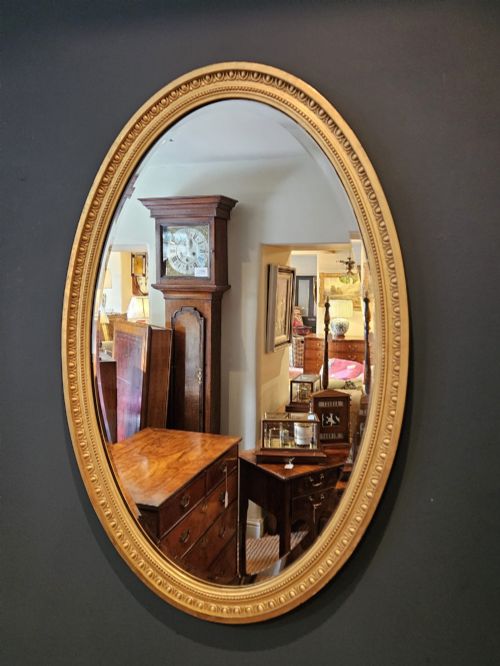
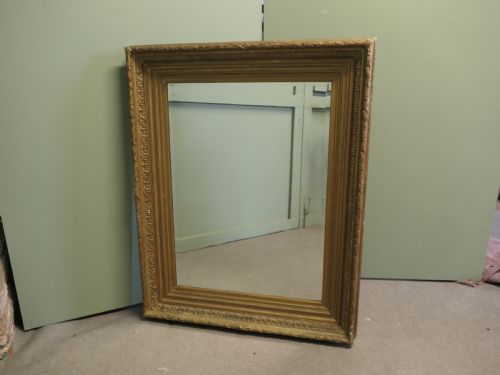
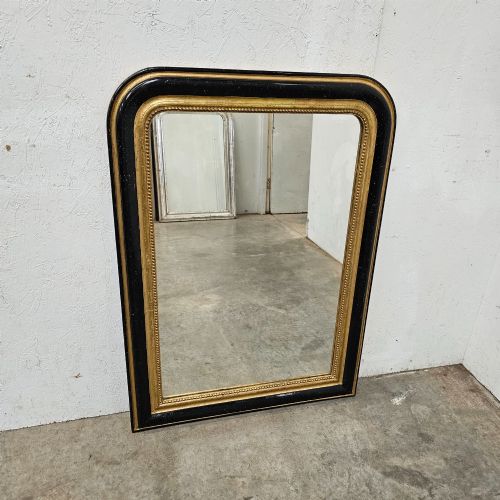
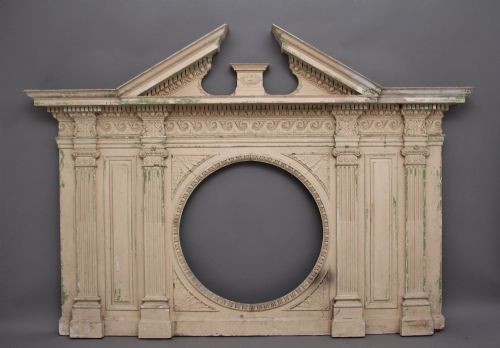
The version most commonly met on this page is the nineteenth-century giltwood overmantel mirror, often featuring architectural mouldings or arched tops. Alongside these, buyers encounter pier glasses, oval frames, and rectangular wall hung pieces originating from English, French, and Italian workshops.
Materials and Technique
Frames rely principally upon timber foundations such as pine, oak, mahogany, and rosewood, which provide structural integrity. Carved wooden elements and applied composition or gesso ornamentation create relief detail across the surface.
Gilding is applied using gold leaf or metallic paint finishes, sometimes supplemented by parcel gilt highlights or painted pine. Mirror glass plates include both original mercury plate and later silvered glass, fitted within rebated frame backs.
Listings feature mirrors spanning the seventeenth century through to the Edwardian era, constructed in giltwood, mahogany, rosewood, and painted pine.
Craftsmanship and Proportion
The standard of carving defines the distinction between standard production and superior craftsmanship, visible in the crispness of acanthus leaves, columns, and ripple mouldings. Hand-carved wooden frames demonstrate greater depth and precision than moulded composition alternatives.
Proportion and scale govern visual impact, particularly in large overmantels where the relationship between frame width and mirror plate area maintains architectural balance. Original glass plates with authentic foxing retain historical character that modern replacements lack.
The Classic Wall Mirror Glossary
- Overmantel mirror
- A large wall glass specifically designed to hang above a fireplace mantelpiece. These pieces often incorporate horizontal formats and elaborate crestings.
- Giltwood
- Timber carved and coated with gold leaf over a prepared gesso ground. This technique creates a luminous metallic surface across the frame.
- Gesso
- A plaster mixture applied to wood frames to provide a smooth base for subsequent gilding and fine decorative carving. It allows intricate relief patterns.
- Pier glass
- A tall, narrow mirror designed to hang on the wall space between two windows. They frequently match console tables positioned below.
- Mercury plate
- An early mirror glass manufacturing technique utilising a tin and mercury amalgam. This process produces a characteristic mottled reflection known as foxing.
Classic Wall Mirror: Frequently Asked Questions
How do I hang a heavy overmantel mirror?
Large overmantel mirrors carry substantial weight due to their dense wooden frames and thick glass plates. Secure fixing requires load-bearing wall anchors attached directly to masonry or internal wall studs.
Professional mirror hangers utilise heavy-duty brackets or French cleats to distribute the weight evenly. This prevents frame distortion and ensures the piece remains stable against the wall surface.
How do I identify a Victorian mirror?
Victorian mirrors display stylistic variety influenced by gothic, classical, and roccoco revivals. Makers frequently employed heavy gesso ornamentation, arched crests, and substantial giltwood mouldings.
Examination of the timber backing, screw types, and construction methods helps confirm nineteenth-century origin. Labels or stamps occasionally found on the reverse provide further verification of the period.
Can I clean original mirror glass?
Original mirror glass requires careful maintenance to preserve historic silvering and avoid damaging fragile surfaces. Gentle dusting with a soft, dry microfibre cloth removes surface particles without abrasion.
Moisture should be kept away from the edges where the backing meets the frame. Liquid cleaners can seep behind the glass and accelerate the degradation of original mercury plates.