




Classic Still Life Art
Classic still life art brings composed arrangements of everyday objects and nature into a room, offering enduring domestic interest.
Classic Still Life Art
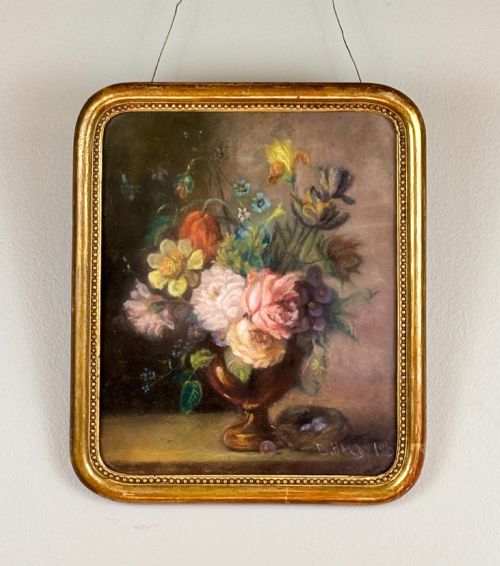
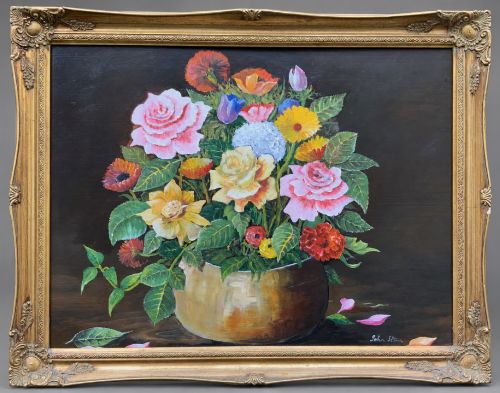
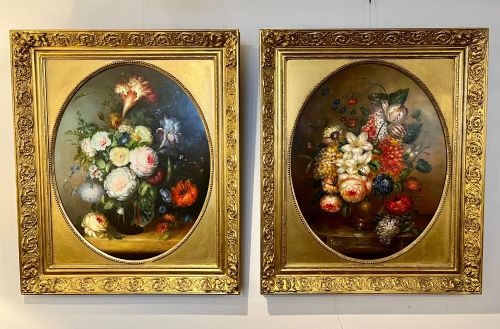
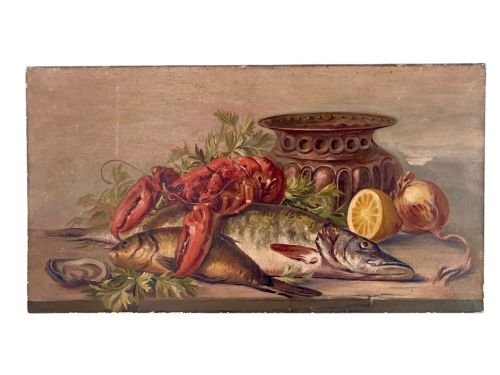
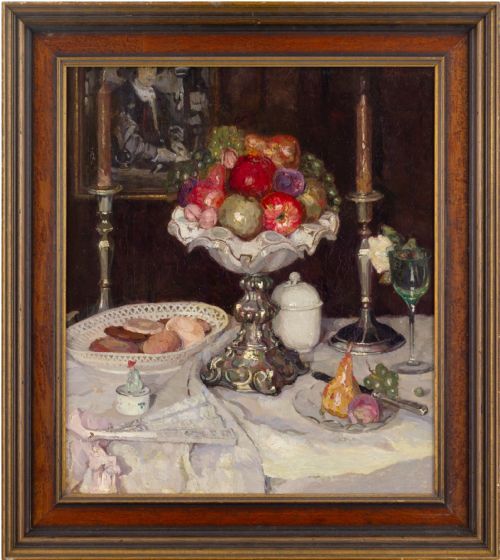
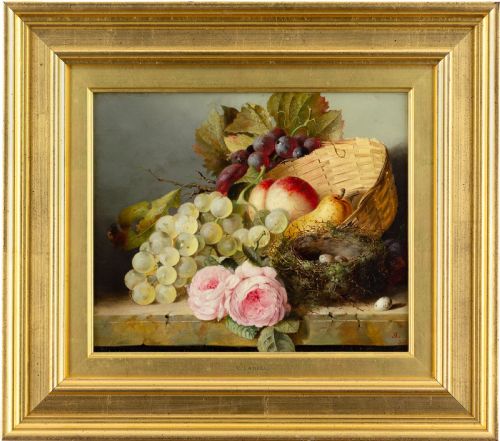
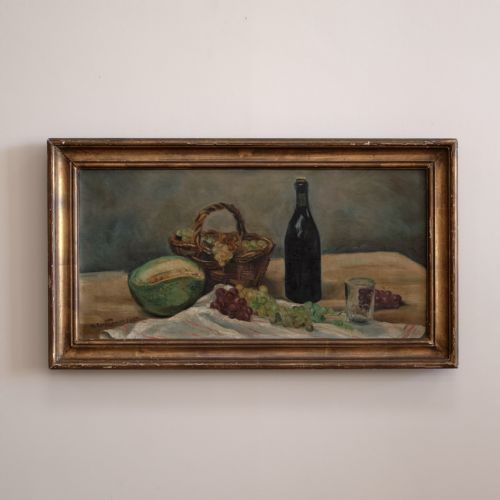
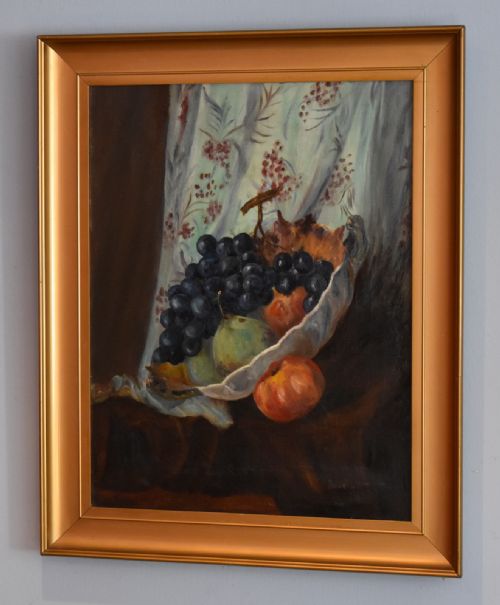
Classic still life art encompasses painted arrangements of fruit, flowers, tableware and domestic objects set on tables or within interiors. These works capture quiet interior scenes from periods spanning the eighteenth century through to the mid-twentieth century.
You are most likely to encounter oil paintings on canvas or board dating from the nineteenth and early twentieth centuries. Many examples arrive in period giltwood frames that complement the painted compositions.
How they were made
These works rely on oil paint applied to woven canvas surfaces or rigid wooden boards. Artists built depth through layered pigments, capturing the textures of fruit, ceramics and textiles.
Frames are constructed from wood and frequently finished with gilt or giltwood details to house the painted canvas.
Classic Still Life Art Retail Price Guide 2026
Typical asking prices for classic still life art among the pieces listed under this phrase on Sellingantiques today, from the lower quarter to the upper quarter. They describe what is for sale here now, not the wider market.
Current listings feature oil paintings on canvas and board spanning the eighteenth, nineteenth and twentieth centuries.
What varies in quality
The sophistication of the arrangement and the handling of light define the upper tier of these paintings. Masterful works render reflective surfaces, translucent fruit skins and delicate flower petals with convincing realism.
Original frames matching the period of the painting elevate the overall integrity of the piece. Brushwork that achieves natural textures distinguishes finer compositions from simpler decorative studies.
Edward Ladell·Else Preußner·Frans Snyders·Niels Wiwel·Terence Loudon·Thomas Hooper·Margaret Evangeline Wilson·William Jones·Oliver Clare·George Lance·Jules Felix Ragot·James and William Ward
The Classic Still Life Art Glossary
- Vanitas
- A symbolic style of still life painting containing collections of objects such as skulls, rotting fruit or hourglasses intended to remind the viewer of the transience of life.
- Giltwood
- Wood that has been coated with gold leaf or a gold-coloured finish. This material is standard for traditional picture frames housing oil paintings.
- Board
- A rigid wooden substrate used by artists instead of woven canvas. Oil paintings on board often date from the nineteenth and early twentieth centuries.
- French School
- A designation for artists trained or working within the French artistic tradition. It groups works sharing stylistic approaches distinct from Dutch or British practices.
Classic Still Life Art: Frequently Asked Questions
How do I hang a heavy oil painting safely?
Ensure the wall fixings engage directly with structural studs or use appropriate masonry plugs for solid walls. Heavy gilt frames require robust picture wire and sturdy D-rings screwed securely into the wooden stretcher or frame backing.
Check the height so the centre of the canvas sits at eye level. This positioning allows comfortable viewing of the fine details within the composition.
What is a vanitas still life?
A vanitas still life uses symbolic objects like skulls, extinguished candles and overripe fruit to represent the brevity of earthly existence. These paintings invite contemplation while demonstrating the artist's skill in rendering varied textures.
Collectors prize them for their intellectual depth and darker, more contemplative aesthetic compared to standard floral or fruit arrangements.
Where should I place still life art at home?
Dining rooms, kitchens and studies provide natural settings for paintings depicting fruit, flowers and vessels. These spaces echo the domestic themes captured on the canvas.
Keep the artwork away from direct sunlight and strong heat sources such as radiators. Stable indoor temperatures protect both the canvas and the wooden frame from warping.