



Classic Reading Stand
A classic reading stand brings directed illumination and period craftsmanship to a quiet corner.
Classic Reading Stand
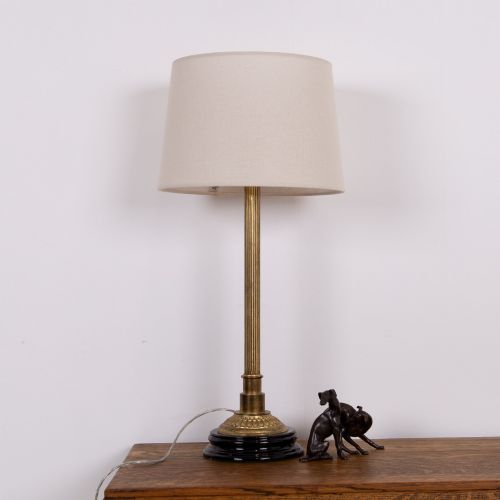
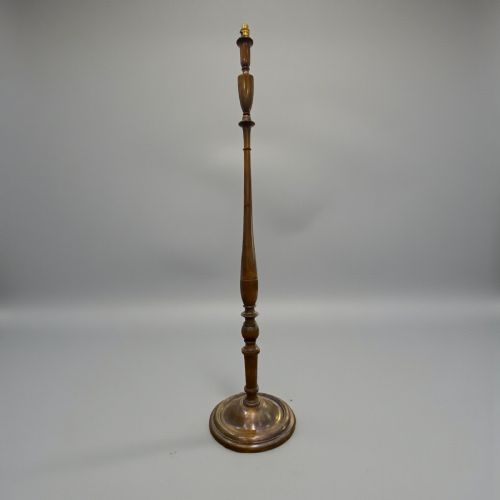
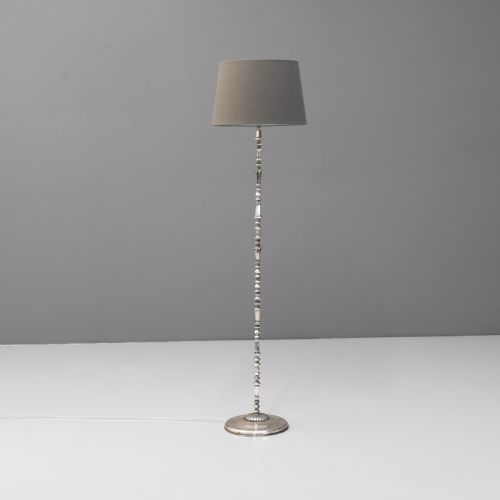
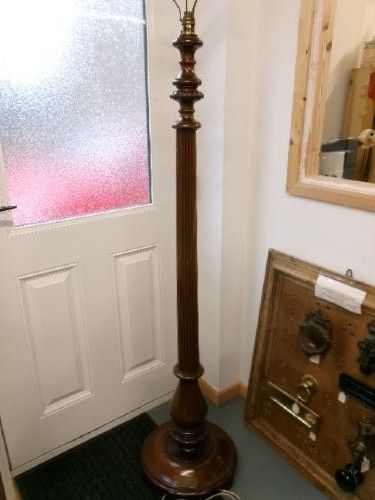
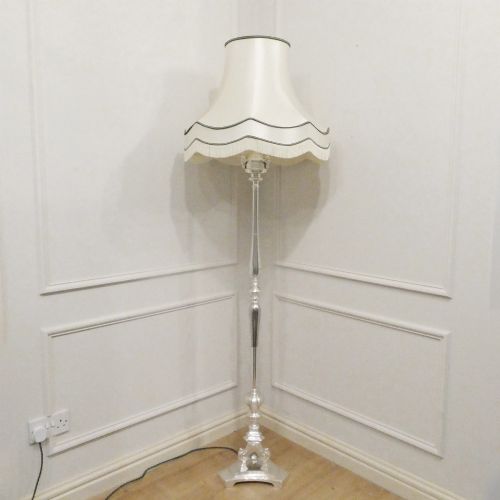
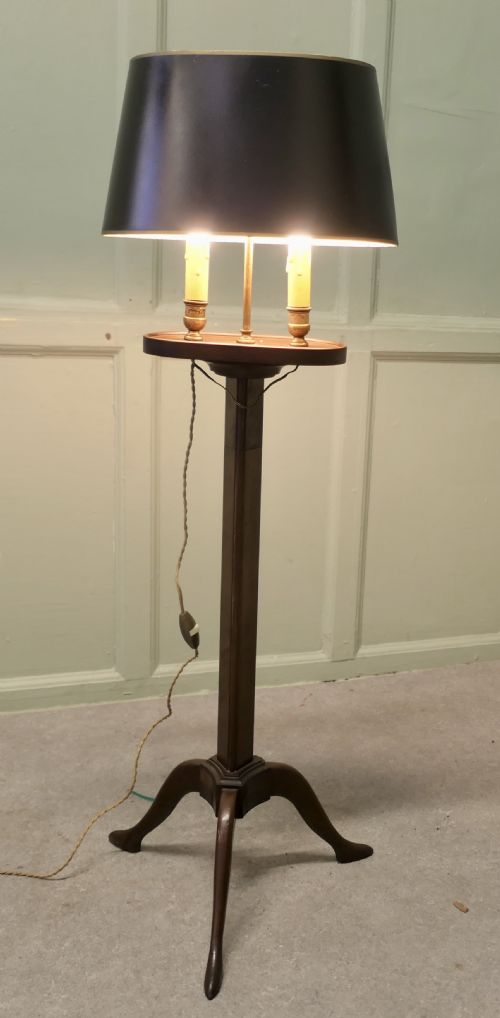
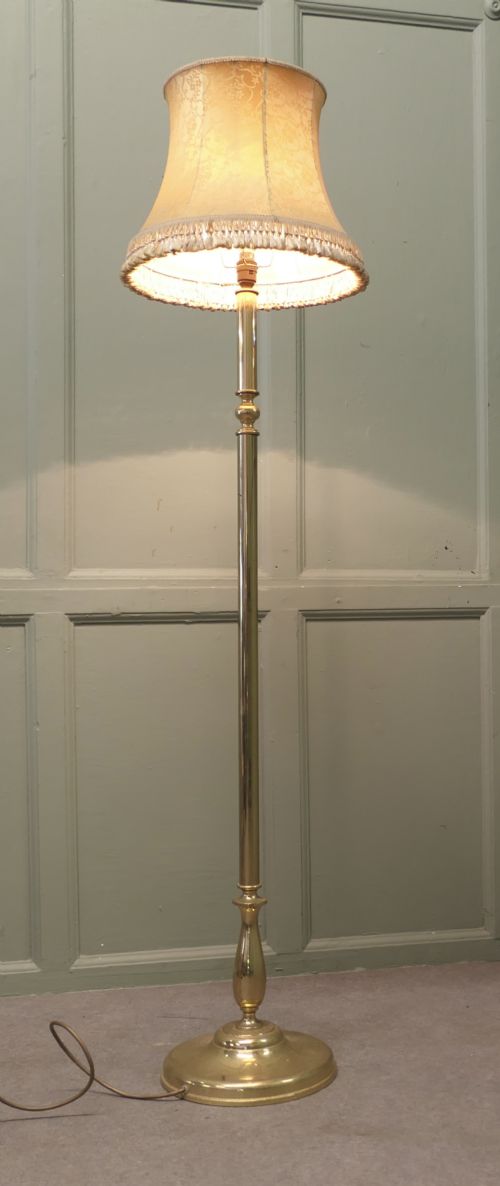
A classic reading stand on this page typically refers to tall floor lamps and standard lamps designed to illuminate a specific chair or book. These pieces emerge from periods ranging from the late nineteenth century through the 1930s, encompassing Edwardian, Victorian, and Regency influences.
The most common versions met here combine adjustable brass standards with weighted bases, alongside mahogany shafts and occasional giltwood frames. Forms span simple utilitarian brass tripod constructions to elaborate bouillotte and standard lamp designs with fabric or glass shades.
Makers and designers from the Edwardian era and 1930s favoured adaptable heights and telescopic columns to direct light downward for reading. Their presence transforms an empty corner into a functional study space while retaining period decorative character.
How they were made
Metalwork forms the backbone of these pieces, utilising solid brass, bronzed metal, and silver plate shaped into telescopic columns and sturdy tripod bases. Artisans turned mahogany and rosewood on lathes to create slender wooden shafts, sometimes pairing them with brass mountings and onyx inserts.
Finishing techniques involved hand-polishing metals and applying giltwood leaf to carved wooden frames, alongside fabric and glass shades to diffuse the bulb or candle light. Joints and adjustments relied on threaded brass screws and functional sliding collars that allowed owners to alter the height by hand.
Classic Reading Stand Retail Price Guide 2026
Typical asking prices for classic reading stand among the pieces listed under this phrase on Sellingantiques today, from the lower quarter to the upper quarter. They describe what is for sale here now, not the wider market.
Some telescopic brass stands still hold the exact patina earned from decades of midnight reading.
What varies in quality
The distinction between standard examples and superior pieces rests on the weight of the metal and the precision of the adjustable mechanism. Heavy, solid brass castings with smooth telescopic action command attention over lighter, hollow assemblies that lack structural substance.
Carved wooden shafts display varying degrees of crispness, where hand-turned mahogany and detailed giltwood ornamentation show sharper definition than mass-produced alternatives. The integration of quality materials like triple glass shades or onyx tiers elevates the piece beyond basic utility.
The Classic Reading Stand Glossary
- Bouillotte lamp
- A traditional candle or electric lamp featuring an adjustable shade on a central metal rod, originally designed for card games.
- Standard lamp
- A tall floor-standing lamp designed to provide ambient or task lighting over seating areas.
- Telescopic
- An adjustable construction allowing one tubular section to slide inside another to alter the overall height.
- Giltwood
- Wood that has been coated with gold leaf or gold paint to simulate solid gold decoration.
- Tripod
- A three-legged base structure providing stability for tall floor-standing standards.
Classic Reading Stand: Frequently Asked Questions
Where should I place a reading stand?
These tall floor lamps suit placement beside a favourite armchair, reading desk, or sofa where focused light is required. Their slender profiles allow them to slip into corners without dominating the room.
Ensure the base sits on a stable surface and the adjustable height is positioned to cast light directly over your shoulder onto the page.
What periods do these lamps date from?
The pieces available span from the late nineteenth century through the Edwardian era and into the 1930s. You will encounter Victorian and Regency revival styles alongside distinct Arts and Crafts and traditional designs from the interwar years.
Materials and construction methods generally reflect the prevailing manufacturing standards of their specific decade.
Can I change the lampshades?
Most standards accommodate a variety of fabric, glass, or metal shades depending on the original fitter type and gallery style. Ensure any replacement shade matches the proportion and weight appropriate for the supporting brass or wooden arm.
Vintage glass shades require careful handling during fitting to avoid chipping the collar edges.