
Classic Oil Wall Art
Classic oil wall art brings centuries of portraiture and landscape into a room through pigment, canvas and wood.
Classic Oil Wall Art
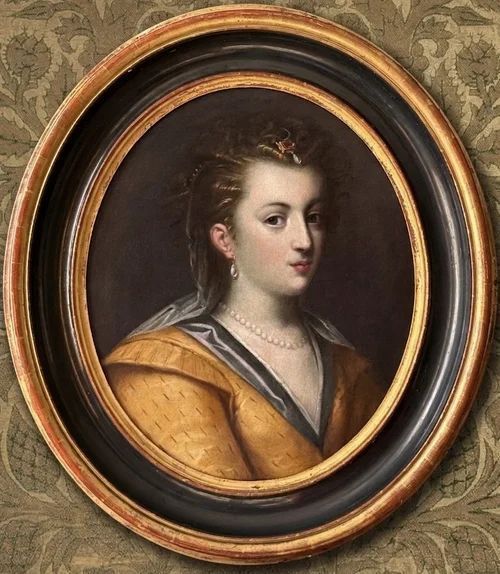
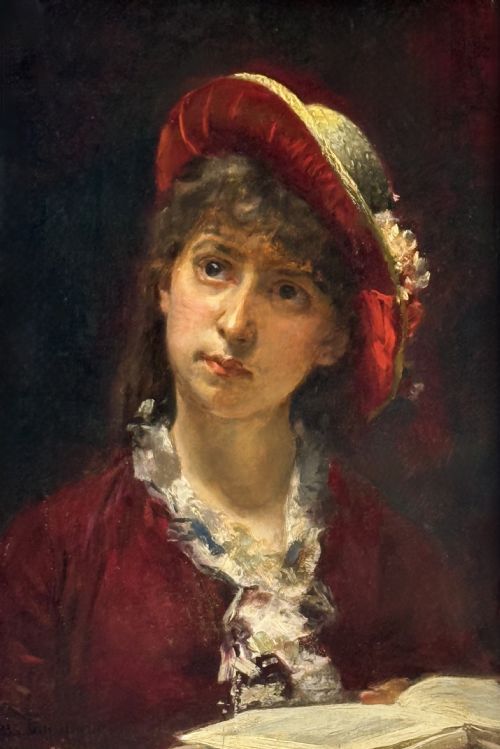
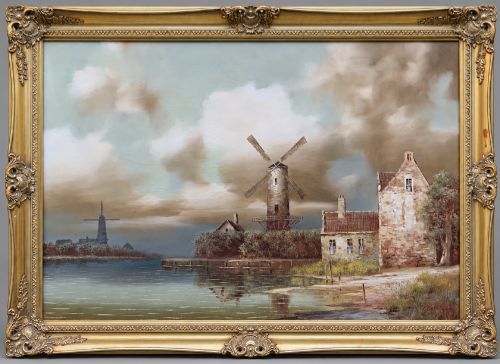
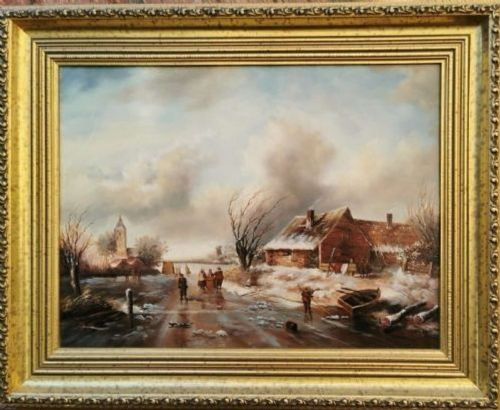
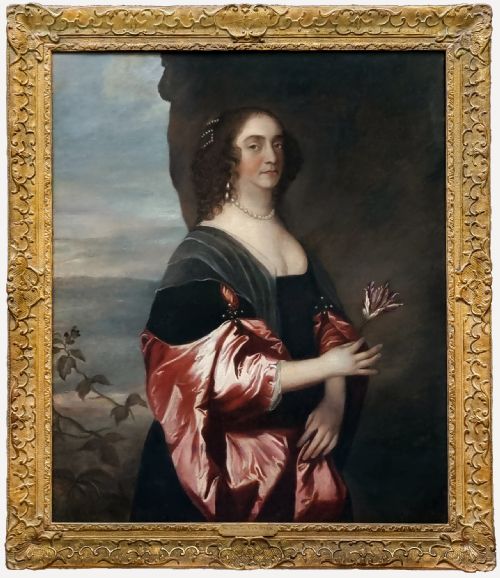
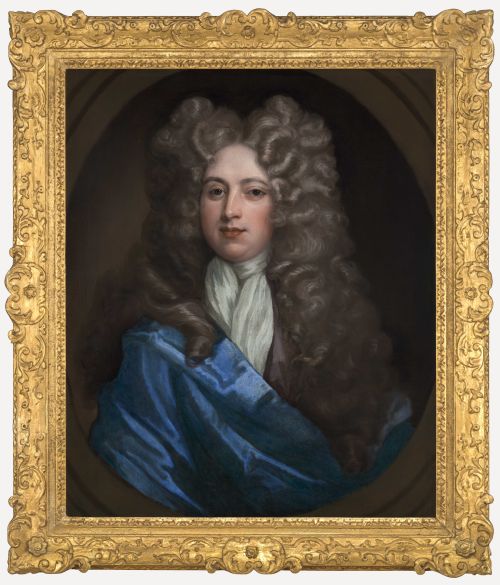
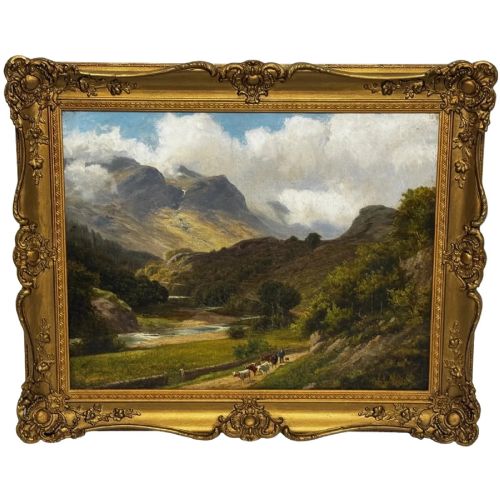
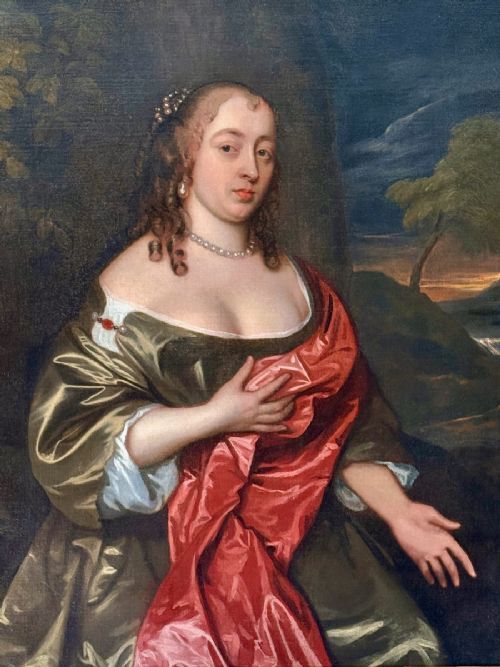
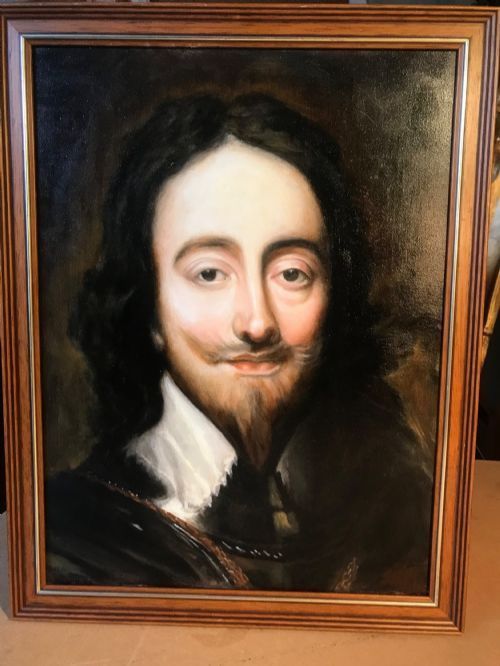
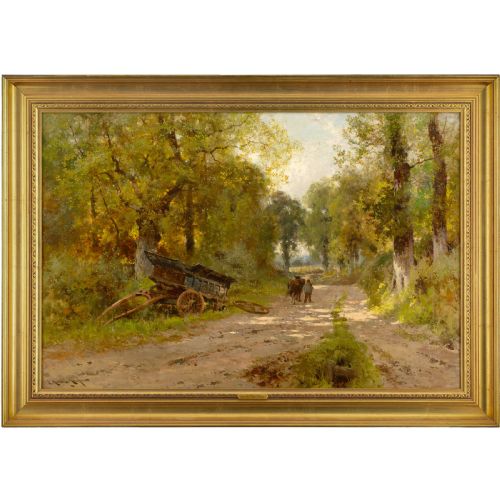
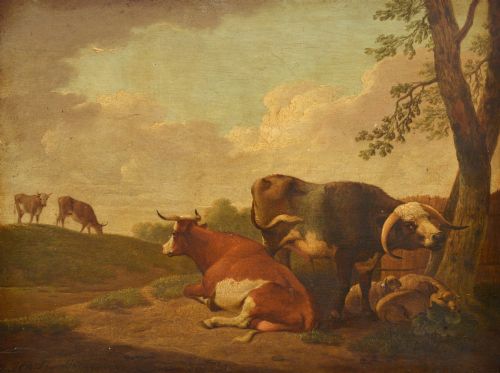
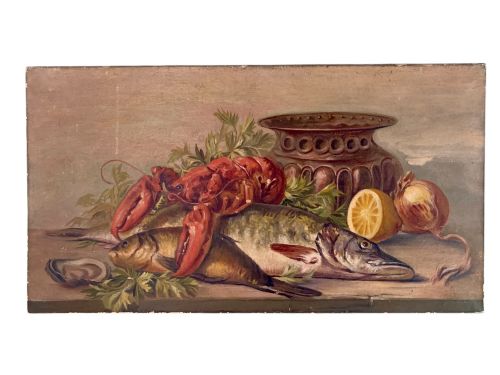
When buyers search for classic oil wall art, they encounter framed canvases and boards spanning from the seventeenth century to the mid-twentieth century. The selection leans heavily toward seventeenth-century portraits, nineteenth-century landscapes, and pastoral or domestic scenes rendered in oil paint.
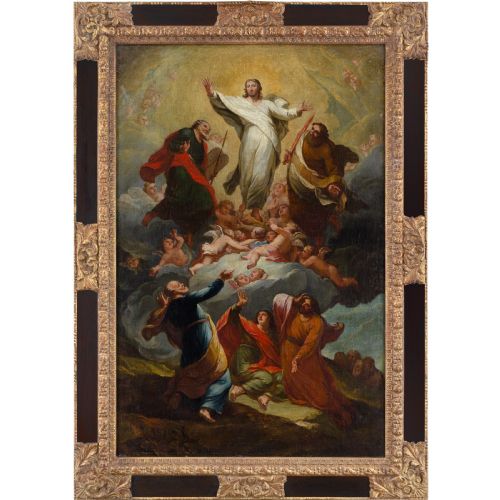
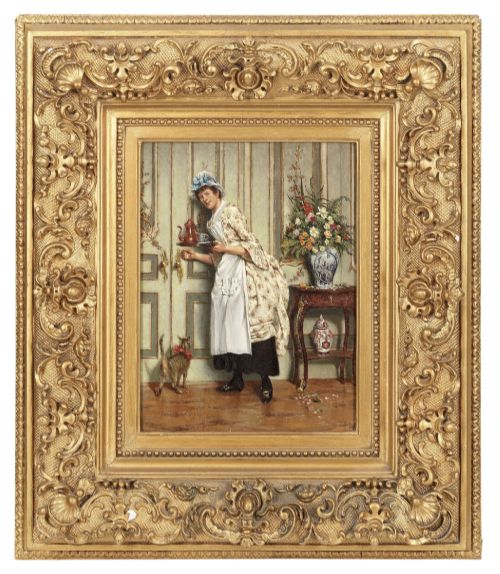
Originating from various European schools, including British, French, and Dutch traditions, these works range from intimate panel paintings to large-scale canvas portraits. The inventory reflects centuries of painting techniques, capturing subjects from theatrical figures to quiet country interiors.
Materials and construction
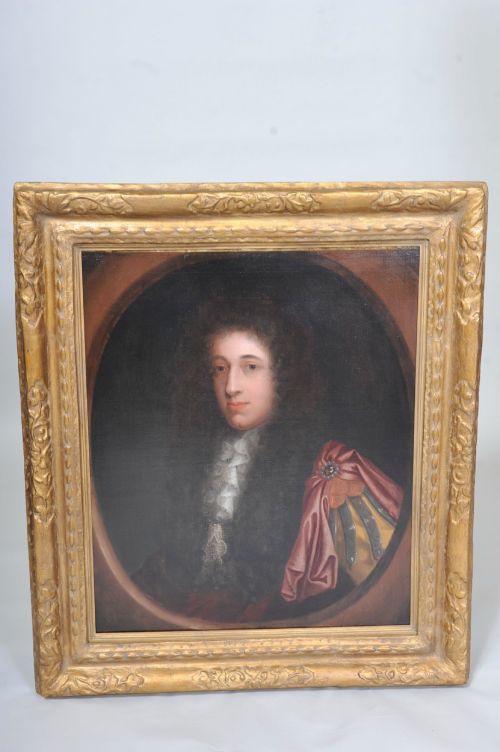
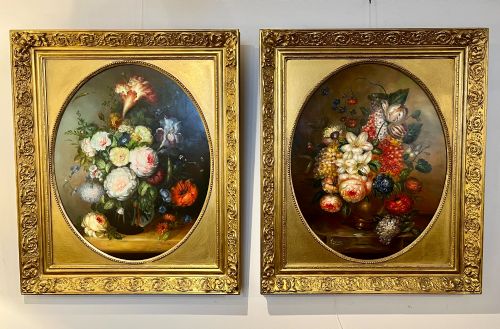
These works rely on oil paint applied to stretched canvas or wooden board, utilising the slow-drying nature of oils to build depth and rich tonality. Canvases are secured to wooden stretchers, often housed within heavy giltwood or moulded gesso frames that reflect the decorative tastes of their respective periods.
Techniques range from the fine, controlled brushwork seen in seventeenth-century portraits and Dutch Golden Age works to the looser, atmospheric application of nineteenth-century realism and landscape painting. Support structures utilise traditional timber framing and preparation grounds beneath the pigment.
Listings feature works spanning from the seventeenth century through to the 1960s, executed in oil on canvas, wood, and gesso.
Judging quality in historic paintings
Quality rests upon the execution of the subject, the handling of light and shadow, and the psychological depth or atmosphere captured by the hand of the artist. Fine portraiture demonstrates precise anatomical proportion and delicate rendering of textiles, whereas landscapes depend upon perspective and the management of natural light.
The integrity of the original surface and the harmony between the painting and its period frame also influence the overall standing of a piece. Works associated with documented makers or established schools carry distinct artistic weight compared to anonymous studio output.
Sir Godfrey Kneller·Edouard Pingret·Francis Moltino·Frans Snyders·Nicolaes Maes
The Classic Oil Wall Art Glossary
- Giltwood
- Wood carved and coated with a thin layer of gold leaf or gilt powder. This material frequently forms the ornate frames accompanying eighteenth and nineteenth-century canvases.
- Gesso
- A plaster-like mixture applied to wood or canvas as a base for painting or gilding. It provides a smooth surface for detailed decorative mouldings on frames.
- Oil on Canvas
- Pigment mixed with a drying oil, such as linseed, applied to a woven fabric stretched across a wooden frame. This combination allows for rich colour blending and texture.
- Dutch Golden Age
- A period in Dutch history spanning the seventeenth century marked by notable achievements in painting. Works from this tradition often feature dramatic lighting and meticulous detail.
- Realism
- An artistic movement focusing on the faithful, unidealised depiction of everyday subjects and contemporary life. This style appears frequently in nineteenth-century genre scenes and portraits.
Classic Oil Wall Art: Frequently Asked Questions
How do I date an old oil painting?
Dating relies on stylistic clues within the subject's clothing, hair, and surroundings, alongside the physical composition of the canvas and stretcher frame. Pigment analysis and stretcher construction methods further help narrow the timeframe.
Signatures, inscriptions, and framing styles provide additional contextual evidence, though expert examination is often required to confirm a specific period of creation.
What is the difference between oil on canvas and oil on board?
Oil on canvas uses a woven textile stretched over a wooden frame, offering slight flexibility and a characteristic fabric texture beneath the paint layers. Oil on board uses a rigid wooden or composition panel as the primary support.
Boards generally provide a completely flat, stable surface that avoids the slackening associated with older woven textiles, though both methods preserve pigment effectively over centuries.
How should I hang and light an oil painting?
Oil paintings require placement away from direct sunlight, high humidity, and rapid temperature fluctuations, such as those near fireplaces or exterior walls. Stable indoor conditions prevent the canvas and wooden support from warping or cracking.
Lighting is best achieved using dedicated picture lights with low-heat, UV-filtered bulbs positioned above the frame to illuminate the surface evenly without causing degradation to the pigments.
Are these paintings supplied with their original frames?
Many historic paintings retain frames from their period of creation or subsequent centuries, though frames are frequently replaced to match changing interior aesthetics. The listing details usually specify whether a frame is period-appropriate or a later addition.
Examining the corner joints, gilding wear, and gesso application helps determine the age of the frame relative to the canvas it encloses.