



Classic Occasional Table
A classic occasional table offers portable surface space and utility, spanning Georgian, Regency and Edwardian forms in rich mahogany, walnut and satinwood.
Classic Occasional Table
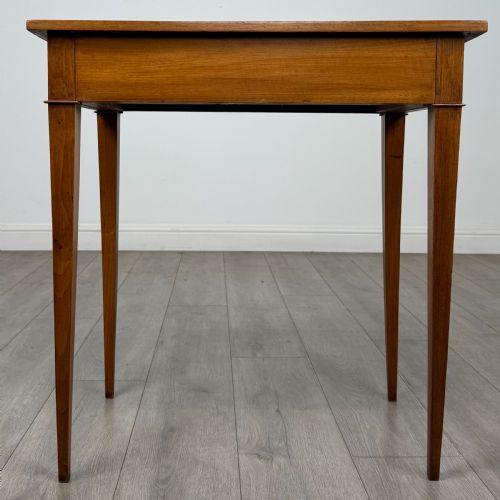
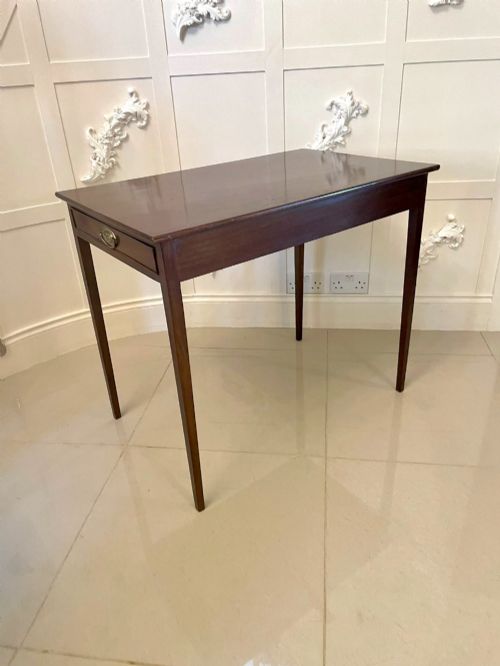
A classic occasional table encompasses small movable furniture pieces designed for flexible placement around a room. Buyers searching this phrase encounter side tables, Pembroke tables, nests of tables, sofa tables and plant stands.
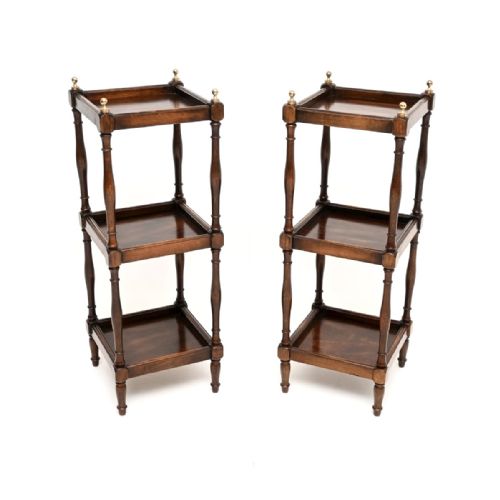
The selections available here lean heavily toward mahogany constructions from the Georgian and Edwardian periods. Pieces range from drop-leaf Pembroke designs to tiered side tables and nested coffee tables.
Origins stretch across the eighteenth, nineteenth and early twentieth centuries. Georgian and Regency examples sit alongside Edwardian revivals and later pieces from nineteen thirty.
Materials and construction
Timbers form the core of construction, with mahogany dominating alongside walnut, satinwood, sycamore and rosewood. Craftsmen utilised solid woods and veneers to achieve durable surfaces and decorative grain patterns.
Inlay work and brass details appear across multiple pieces to accent the woodwork. Techniques include crossbanding, butterfly inlays and star-shaped tops executed during the Georgian and Edwardian eras.
Classic Occasional Table Retail Price Guide 2026
Typical asking prices for classic occasional table among the pieces listed under this phrase on Sellingantiques today, from the lower quarter to the upper quarter. They describe what is for sale here now, not the wider market.
The object forms available span side tables, Pembroke tables, nests of tables, sofa tables, plant stands and coffee tables.
Assessing craftsmanship and condition
The distinction between standard and superior pieces rests in timber selection and secondary details. Figures in the wood, such as fiddleback sycamore or finely figured mahogany, elevate an example.
Execution of hardware and joinery separates everyday items from finer work. Subtle additions like hidden drawers, brass mounts and precise crossbanding indicate higher workshop standards.
James Mein Kelso
The Classic Occasional Table Glossary
- Pembroke table
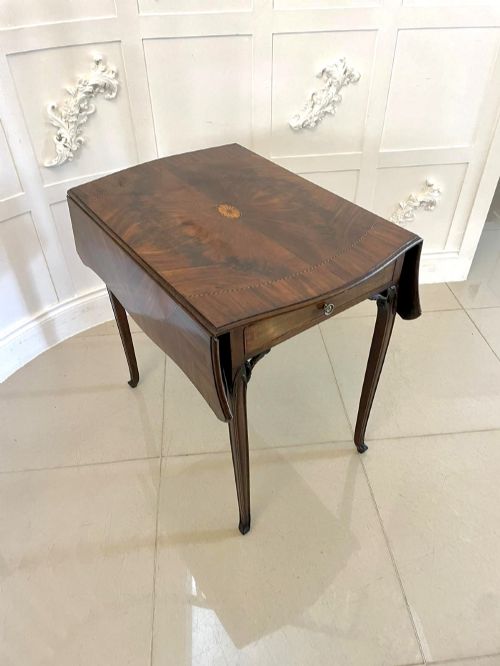
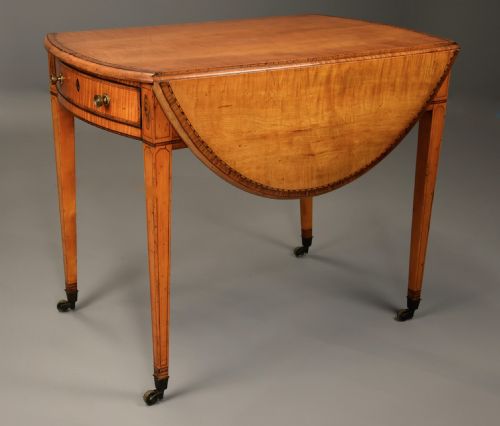
- A small table with hinged drop leaves on either side, often featuring a single drawer. This form dates back to the eighteenth century and served multiple domestic purposes.
- Nest of tables
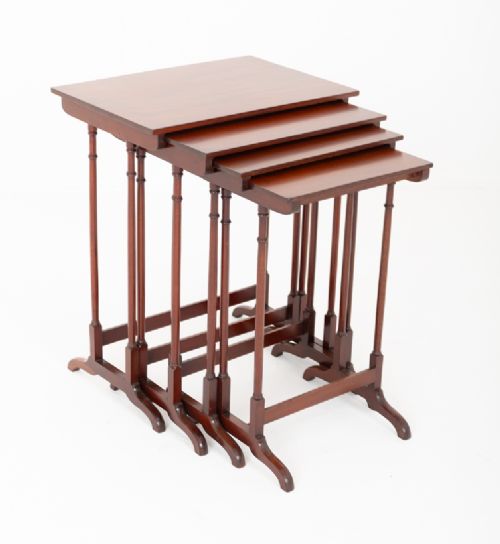
- A set of graduated tables designed to fit neatly beneath one another when not in use. They became particularly popular during the Edwardian period.
- Sofa table
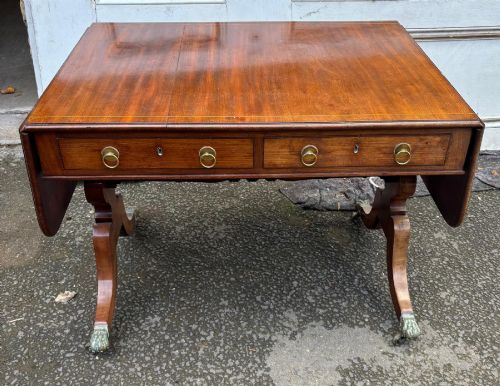
- A rectangular occasional table traditionally placed in front of a sofa, featuring drop leaves and often twin pedestals or trestle supports. Regency examples frequently showcase crossbanded veneers.
- Crossbanding
- A decorative border technique where strips of veneer are laid perpendicular to the grain of the main surface. It frames the top of a table to draw the eye.
- Snap top table
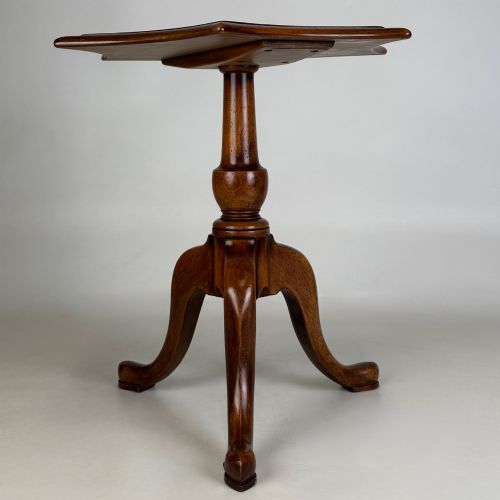
- A table featuring a mechanism that allows the top to tilt vertically against the pedestal for storage. This design saved space in period interiors.
Classic Occasional Table: Frequently Asked Questions
How do I date a side table?
Dating relies on observing timber choices, construction methods and stylistic markers. Georgian pieces often display solid mahogany and hand-cut dovetails, while Edwardian versions frequently utilise lighter inlay work.
Secondary woods and hardware styles further help pinpoint the era of manufacture. Comparing edge profiles and leg turns against established period designs offers clarity.
Where should I place an occasional table?
These pieces fit easily beside seating arrangements, in hallways or against bedroom walls. Their modest scale allows them to fill awkward corners without crowding a room.
Nested tables provide surface space that expands only when guests visit. Plant stands and small tripod tables offer dedicated spots for lighting or display.
What is a nest of four tables?
A nest of four tables comprises a set of graduated pieces that slide one beneath another. They gained popularity during the Victorian and Edwardian eras as versatile furniture for entertaining.
Often called quartetto tables, they allowed households to deploy multiple small surfaces simultaneously. When cleared, they occupy the footprint of just a single small table.