





Classic Mantel Timepiece
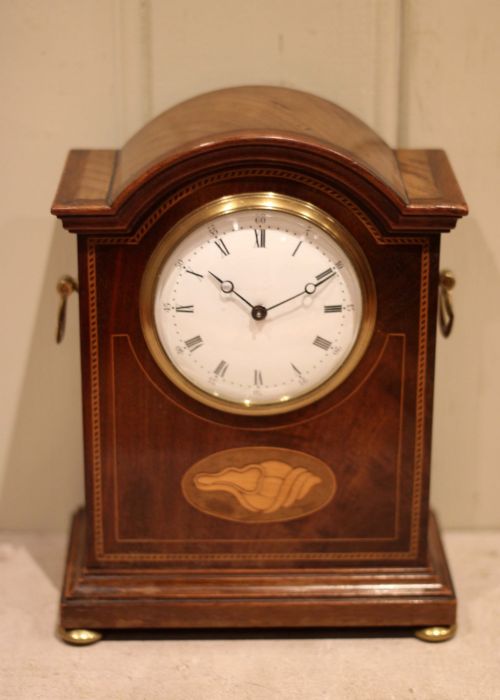
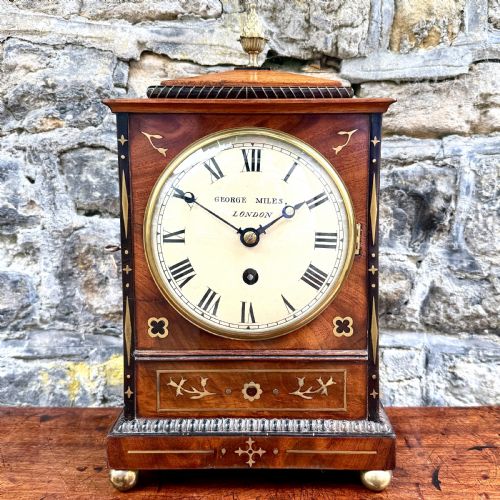
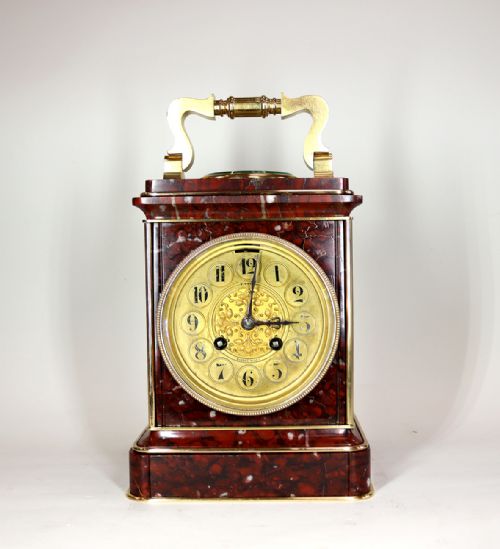
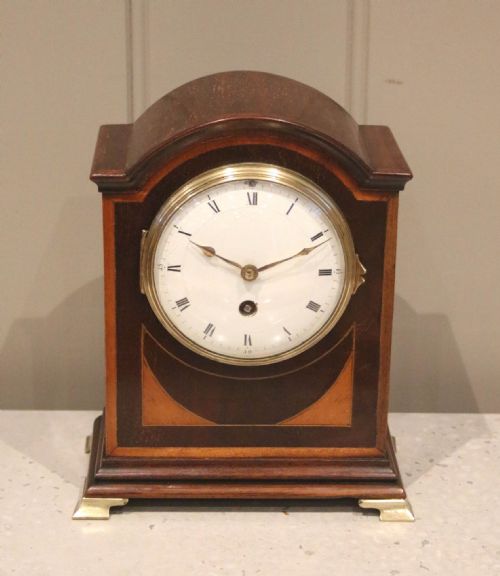
These classic mantel timepiece designs anchor a room with steady rhythm, formed from rich woods and gleaming metals.
Classic Mantel Timepiece
A classic mantel timepiece brings functional design to domestic spaces, taking the form of upright clocks designed to sit upon furniture surfaces.
The selections span distinct periods including the Regency era, the Victorian period, and Edwardian times, alongside mid-century examples.
Buyers frequently encounter mahogany cases, polished brass carriage designs, and inlaid woods when exploring these timekeepers.
Materials and construction methods
Cabinet makers utilised dense hardwoods such as mahogany and rosewood, often enhancing surfaces with delicate satinwood inlay and lemon wood details.
Metalworkers cast bronze and brass components, applying ormolu gilding and rhodium plating to create durable, reflective housings for delicate movements.
Enamel dials and bevelled glass panels protected the interior mechanics while offering clear legibility from across the room.
Classic Mantel Timepiece Retail Price Guide 2026
Typical asking prices for classic mantel timepiece among the pieces listed under this phrase on Sellingantiques today, from the lower quarter to the upper quarter. They describe what is for sale here now, not the wider market.
Some clocks run entirely on changes in room temperature, quietly ignoring the need for human winding.
Distinctions in manufacture
Superior examples display crisp carving and precise wood veneers that align neatly across curved and flat surfaces alike.
The refinement of the internal mechanism and the weight of the metal housing dictate the overall standard of the construction.
Details such as hand-painted enamel dials and heavy cast ormolu mounts separate standard production from more ambitious workshop pieces.
Charles Frodsham and Holingue Frères·Luxor·Jaeger Le Coultre
The Classic Mantel Timepiece Glossary
- Portico clock
- A striking architectural style featuring supporting columns flanking a central pendulum suspension.
- Carriage clock
- A portable timepiece originally built for travel, housed in a brass frame with glass panels.
- Ormolu
- Gilded bronze achieved through the application of a mercury and gold amalgam to a cast metal base.
- Atmos clock
- A mechanical timepiece driven by thermal expansion and contraction of gas within a sealed capsule.
Classic Mantel Timepiece: Frequently Asked Questions
Where should I place a mantel clock?
These clocks sit comfortably on flat surfaces such as drawing room mantelpieces, library shelves, or side tables where their decorative cases remain visible.
Ensure the placement is stable and away from excessive draughts to maintain steady operation of the internal movement.
How do I wind an antique timepiece?
Use the designated key provided with the movement, turning it gently until resistance indicates the mainspring is fully tensioned.
Avoid over-winding the mechanism, as this places unnecessary strain on older brass components.
What is the difference between a clock and a timepiece?
A timepiece indicates the hours and minutes without incorporating a striking mechanism to announce the passing time with bells or gongs.
Traditional clocks include additional gear trains dedicated to sounding the hour or quarters.
How do I identify a Regency period clock?
Regency pieces often display restrained architectural lines, dark mahogany veneers, and classical brass mounts reflecting early nineteenth-century taste.
Proportions tend to be balanced and formal, drawing inspiration from ancient Greek and Roman design motifs.