








Classic Library Book
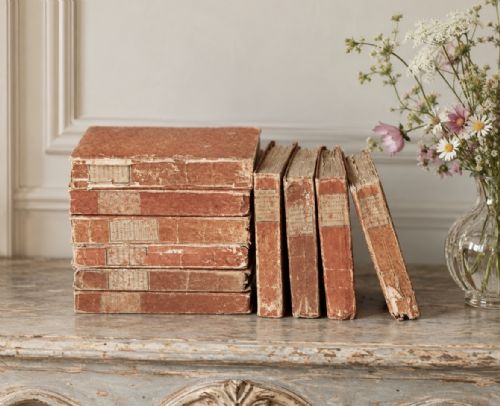
These classic library book pieces bring the texture of leather, paper, and mahogany into a room.
Classic Library Book
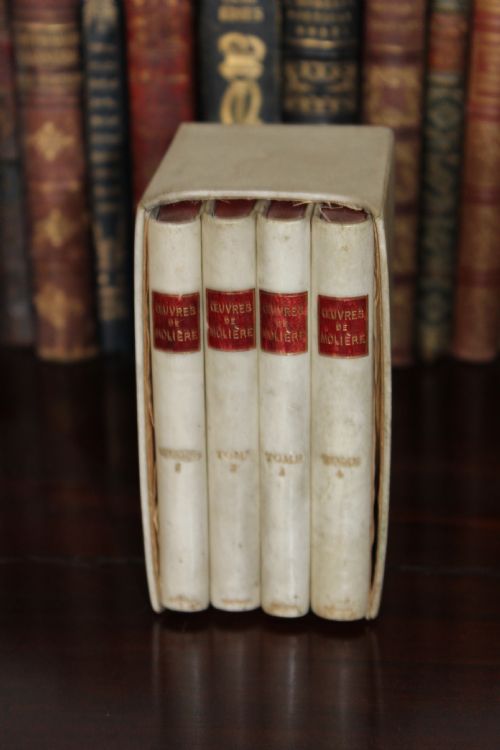
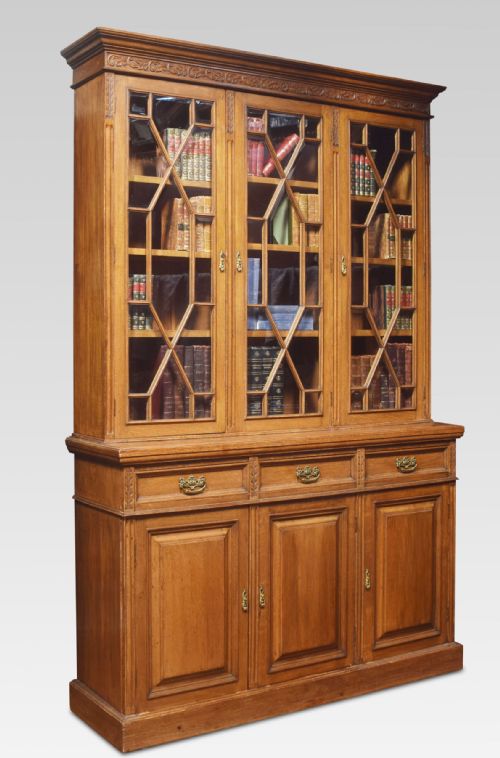
When you search for classic library book items, you encounter a mix of antique volumes, multi-volume book sets, and the mahogany or oak furniture designed to house them. These pieces span the eighteenth century, the Victorian era, and the early twentieth century, reflecting the periods when private collections formed the heart of a home.
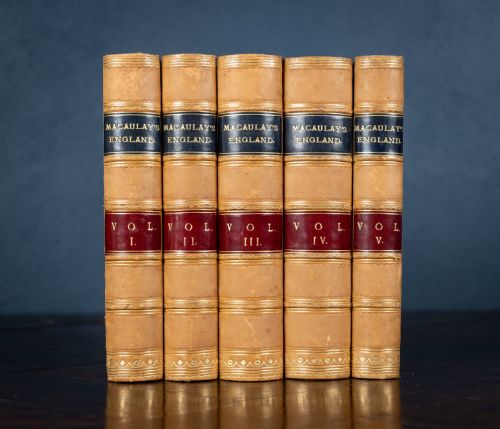
You are most likely to meet complete sets of historical novels, Shakespeare volumes, and leather-bound biographies alongside open bookcases and library steps. The selection ranges from nineteenth-century sets by authors such as Sir Walter Scott to large breakfront mahogany bookcases built to hold substantial libraries.
Materials and Construction
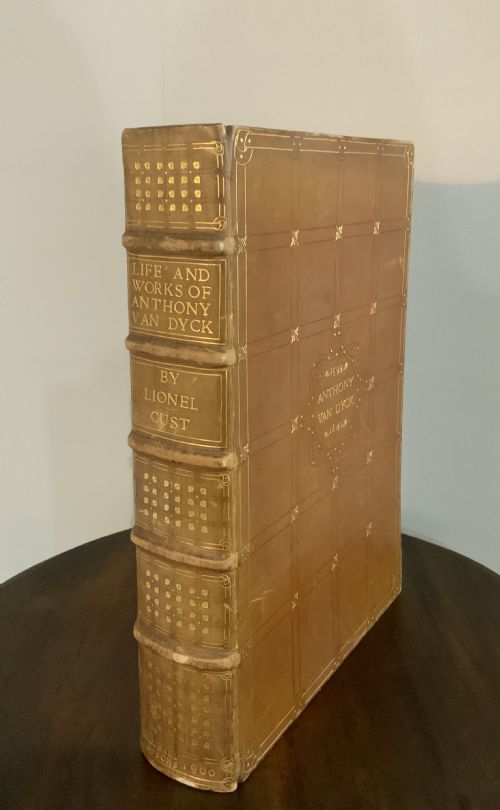
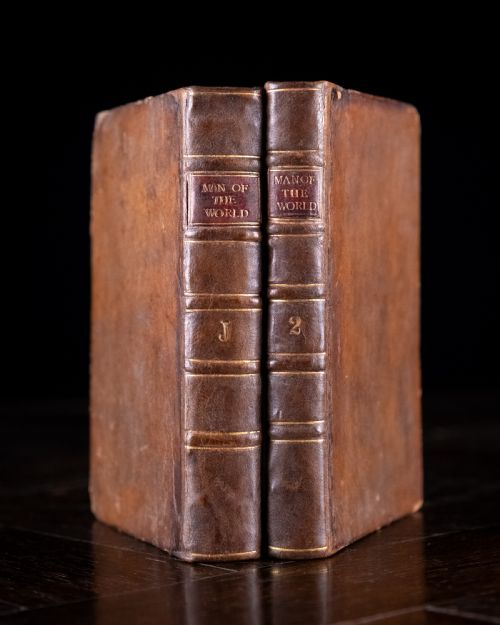
The books combine paper, calfskin, and vellum bindings decorated with gold leaf and gilt tooling on the spines. Binders secured the pages using traditional stitching before encasing the volumes in durable leather.
The furniture pieces utilise solid timbers including mahogany, satinwood, and oak, often shaped into open bookcases or fitted with glass doors and brass details. Carpenters relied on traditional joinery to support the heavy weight of large book collections.
Classic Library Book Retail Price Guide 2026
Typical asking prices for classic library book among the pieces listed under this phrase on Sellingantiques today, from the lower quarter to the upper quarter. They describe what is for sale here now, not the wider market.
The listings on this site feature items from the eighteenth century, nineteenth century, and early twentieth century, constructed from mahogany, oak, leather, and paper.
Distinctions in Quality
Quality in these items rests on the uniformity of book sets and the grade of timber in the furniture. A unified run of volumes bound in matching calfskin with crisp gold leaf tooling sits above mismatched rebound editions.
In bookcases, the choice of figured mahogany or satinwood and the depth of the mouldings separate standard utility pieces from substantial architectural library furniture.
The Classic Library Book Glossary
- Calfskin
- A fine leather used for bookbinding. It takes gold tooling smoothly and provides a durable, smooth exterior for library volumes.
- Breakfront
- A furniture design where the central section projects forward from the side sections. This layout creates depth and presence in large mahogany library bookcases.
- Gilt tooled
- A decoration method where gold leaf is pressed into leather using heated metal stamps. It creates bright lettering and geometric patterns on book spines.
- Vellum
- A fine parchment prepared from calfskin or other animal skin. It offers a pale, smooth surface used for specialised book bindings.
- Open bookcase
- A shelving unit without doors for storing books. These pieces allow direct access to book spines and bindings.
Classic Library Book: Frequently Asked Questions
How do I care for leather-bound books?
Keep leather-bound volumes away from direct sunlight and excessive heat to prevent the material from drying out.
Maintain a stable room humidity so the paper and leather retain their natural flexibility over time.
What periods do these bookcases represent?
The bookcases on this page primarily represent eighteenth-century, Regency, Victorian, and Edwardian design periods.
Cabinet makers during these eras utilised solid mahogany, satinwood, and oak to construct pieces suited for private studies.
Are the book sets complete?
Many listings feature complete multi-volume editions such as historical novels by Sir Walter Scott or plays by William Shakespeare.
Check the specific description for volume counts to confirm whether the complete run is present.
How do library steps function?
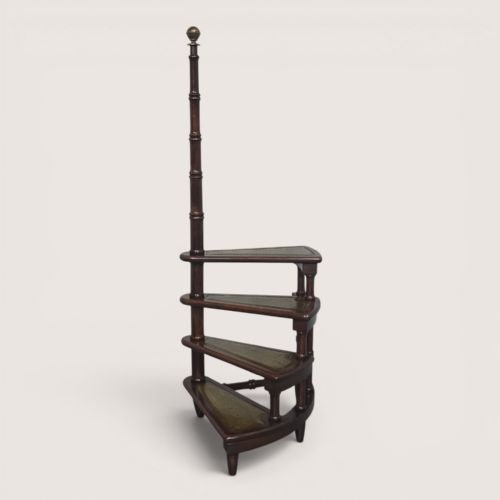
Library steps provide physical access to the upper shelves of tall bookcases and tall shelving units.
These wooden stair structures range from compact steps to designs incorporating folding mechanisms.