





Classic Landscape Picture
A classic landscape picture brings the quiet expanse of the countryside or the majesty of distant lakes directly to your interior walls.
Classic Landscape Picture
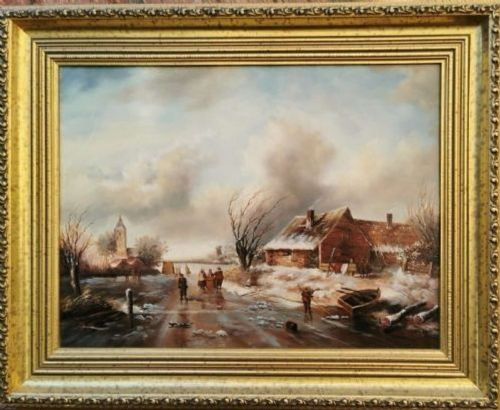
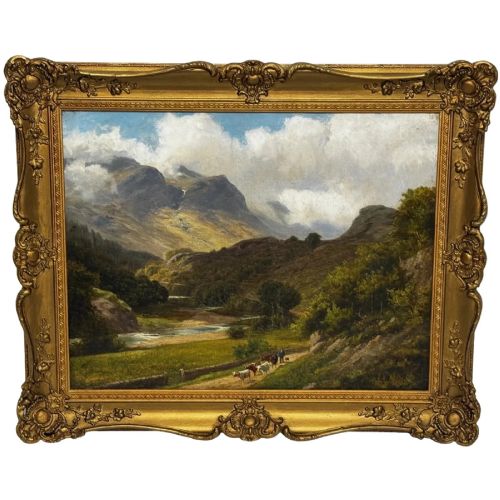
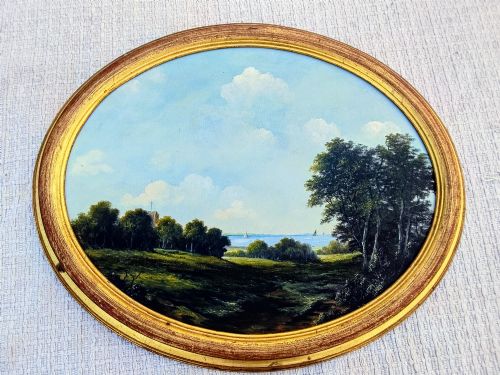
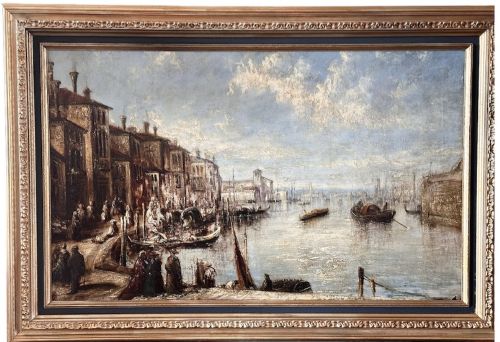
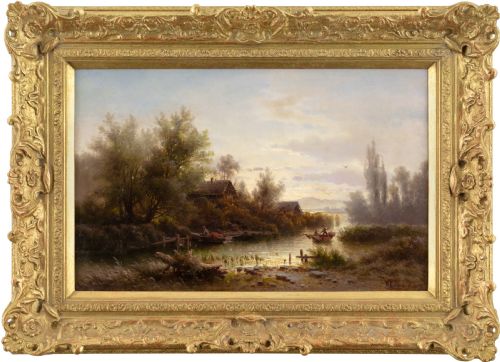
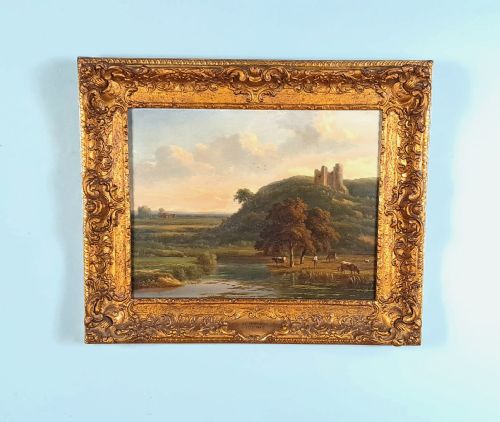
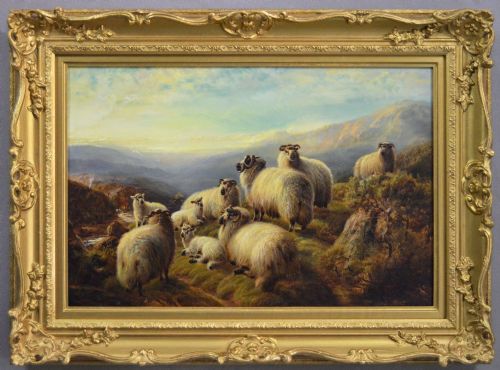
A classic landscape picture captures natural scenery, serene rural views, and historic lakesides through traditional painting and watercolour techniques. These works range from peaceful English river valleys and highland sheep scenes to dramatic Venetian views and Dutch-inspired winter ice skaters.
Most examples found here date from the nineteenth century through to the early decades of the twentieth century, reflecting Victorian and Edwardian artistic sensibilities. They typically present detailed scenery on canvas or paper, framed in period gilt wood.
Buyers choose a classic landscape picture to introduce historic depth and natural tranquility into a room, relying on established artistic traditions. The selection spans straightforward topographical watercolours to elaborate oil paintings signed by listed artists.
Materials and construction
These works rely primarily on oil paint applied to woven canvas or occasionally board, building up rich colour and texture over preparatory layers. Watercolours on paper also appear, utilising fluid washes to capture atmospheric light and distant hills.
Frames are constructed from wood, heavily embellished with gesso and finished in gilt, providing the classic ornate surround typical of the period. This combination of traditional pigments, supportive fabric, and gilded framing ensures the physical survival of the artwork across generations.
Classic Landscape Picture Retail Price Guide 2026
Typical asking prices for classic landscape picture among the pieces listed under this phrase on Sellingantiques today, from the lower quarter to the upper quarter. They describe what is for sale here now, not the wider market.
Children ice skating and geese on the river populate these historic scenes, capturing moments of everyday pastimes.
What determines quality
Quality rests on the precision of the brushwork, the handling of natural light, and the convincing depth of perspective within the composition. Masterful handling of water, foliage, and atmospheric haze separates proficient studio output from ordinary decorative painting.
The integrity of the original giltwood frame and the stability of the canvas surface contribute substantially to the standing of the piece. Works retaining their original maker details and untainted painted surfaces command greater scholarly and decorative interest.
Francis Moltino·David Roberts·Albert Rieger·Robert Watson·T C Hofland·Walter J Watson·John Wright Oakes·Alfred Pollentine·Alfred de Breanski·William Stephen Coleman·John Holland Snr·Peter de Wint
The Classic Landscape Picture Glossary
- Canvas
- A heavy woven fabric stretched across a wooden frame to serve as a durable support for oil paint. It provides a slightly textured surface that interacts with the applied pigments.
- Giltwood
- Timber carved and coated with a thin layer of gold leaf or metallic powder, often over a prepared gesso base. This material defines the ornate frames associated with traditional artworks.
- Gesso
- A plaster-like mixture applied to wooden frames to create a smooth surface for gilding and relief ornamentation. It allows intricate decorative mouldings to catch the light.
- Watercolour
- A paint consisting of pigment suspended in a water-soluble binder, traditionally applied to paper. It creates luminous, transparent washes valued for delicate atmospheric effects.
- Dutch School
- A collective term for painting traditions originating in the Netherlands, noted for realistic depictions of light, winter scenes, and everyday nature. Works in this manner often emphasise subtle tonal gradations.
Classic Landscape Picture: Frequently Asked Questions
How do I date a landscape painting?
Dating relies on examining the stretcher frames, canvas type, pigment composition, and the stylistic conventions of the brushwork. Signature styles and biographical details of the artist also provide a reliable temporal anchor.
Framing materials and backing boards frequently offer secondary clues, as original combinations rarely survive intact if altered later. Comparing the subject matter to known topographical records helps narrow the era further.
Where should I hang these paintings?
These works suit traditional living spaces, studies, or dining rooms where historic character complements existing furniture. Positioning them away from direct sunlight protects vulnerable oil pigments and paper supports from fading.
Ensure the wall fixings are secure, as period frames carrying heavy gesso and wood require sturdy support. Pairing them with neutral wall colours allows the rich tones of the canvas and gilt frame to stand out.
What is the difference between oil and watercolour?
Oil paintings utilise slow-drying pigmented oils on canvas or board, allowing for rich textures, deep shadows, and luminous blending. Watercolours use water-soluble pigments on paper, yielding a lighter, more transparent finish.
Oils generally require a protective frame but no glass, whereas watercolours must be framed under glass to prevent moisture and atmospheric damage to the paper.
How do I care for a giltwood frame?
Giltwood frames require gentle dusting with a soft, dry brush to prevent the accumulation of dirt within the intricate gesso mouldings. Avoid using liquid cleaners, chemical polishes, or damp cloths, which can strip the delicate gold leaf.
Maintain a stable room temperature and humidity level to prevent the underlying wood from expanding and causing the gesso ornamentation to crack or flake.