



Classic Hall Light
These classic hall light options bring character to an entranceway, combining period glass and metalwork to illuminate a hallway effectively.
Classic Hall Light
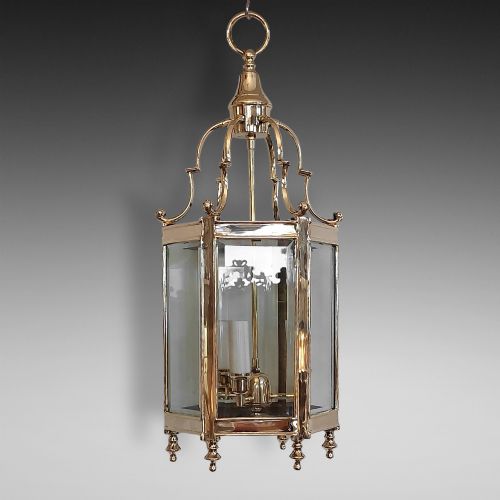
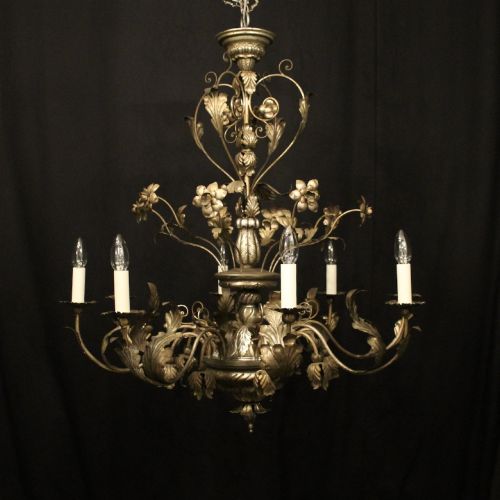
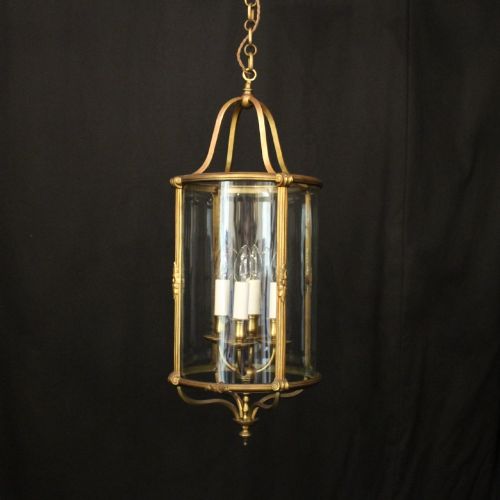
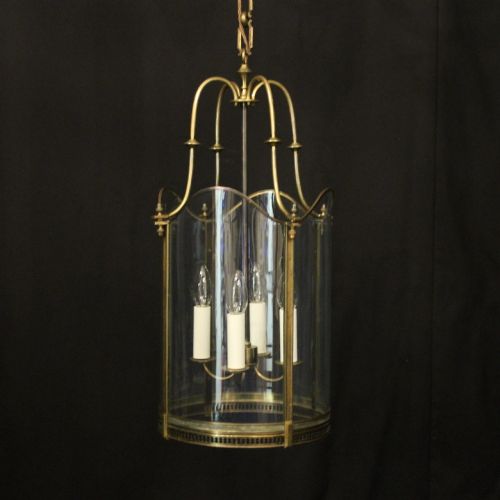
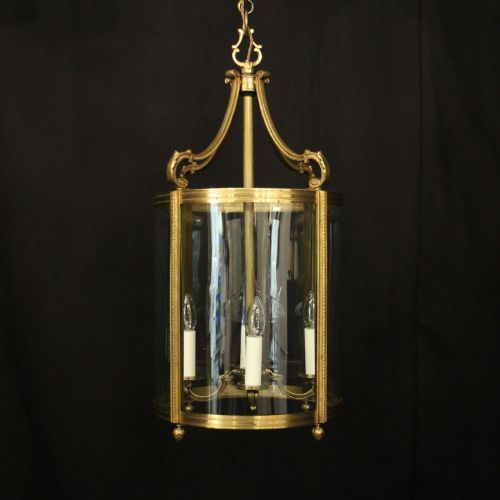
A classic hall light serves as the primary illumination for an entranceway, taking the form of hanging lanterns, pendants, and flush or multi-light chandeliers. Buyers searching for a classic hall light will encounter fixtures shaped as hexagonal, oval, or cylindrical lanterns alongside multi-bulb chandeliers.
The pieces available here stem from several distinct periods, including Victorian, Edwardian, and the early twentieth century up to 1930. French styles dominate the selection, ranging from Louis XVI to Rococo and Classical designs, alongside Italian creations.
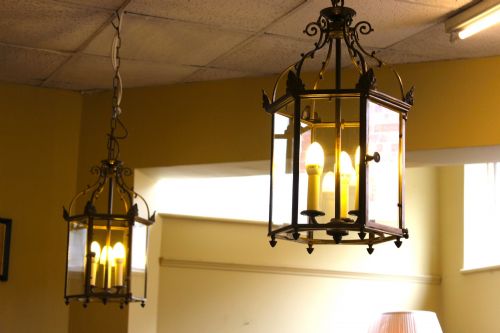
Hanging lanterns are the most frequent form discovered within this category, often featuring glass panels encased within metal frameworks. These items range from simple single-light fixtures to large, multi-light structures designed for spacious corridors.
Materials and construction methods
The fabrication of these fixtures relies heavily on metals such as brass, bronze, gilt bronze, steel, and silvered or gilded metal, paired with transparent glass panels. Frames are cast, forged, or wrought into geometric shapes like hexagons and ovals, then assembled to hold the glazed sections securely.
Surface treatments define much of the visual appeal, utilising gilding, silvering, and natural patination on bronze and brass. Wrought iron and steel provide sturdy structural skeletons for larger hanging lanterns and torch-style wall lights.
Classic Hall Light Retail Price Guide 2026
Typical asking prices for classic hall light among the pieces listed under this phrase on Sellingantiques today, from the lower quarter to the upper quarter. They describe what is for sale here now, not the wider market.
Hexagonal brass lanterns appear frequently enough to suggest early twentieth-century hallways had a collective geometric preference.
Distinguishing quality in period lighting
Quality in these fixtures rests upon the weight and finish of the metalwork, the complexity of the cast ornamentation, and the clarity of the glass. Superior examples exhibit finely chased bronze, crisp geometric framing, and substantial multi-light configurations.
Simpler designs from the early twentieth century derive their merit from honest proportions and clean joins rather than elaborate ornamentation. The distinction between standard production and finer execution lies in the depth of the gilding and the precision of the metal assembly.
The Classic Hall Light Glossary
- Lantern
- A fully enclosed hanging light fixture featuring glass panels within a metal frame. They are designed to protect the flame or bulb from drafts while distributing light evenly.
- Gilt Bronze
- Bronze metal that has been coated with a thin layer of gold or gold leaf. This technique provides a rich, enduring metallic sheen.
- Edwardian
- A period spanning the reign of King Edward VII, characterised by lighter, more refined decorative arts than the preceding Victorian era. Fixtures from this time often favour simple geometric shapes.
- Hexagonal
- Having six sides and six angles. Many period lanterns utilise this specific polygonal geometry for their glass and brass frames.
- Torch Wall Light
- A wall-mounted lighting fixture styled after a classical flaming torch. These pieces typically flank doorways or line grand entrance halls.
Classic Hall Light: Frequently Asked Questions
How do I choose the right size hall light?
Selecting the correct size depends on the height and footprint of your hallway. Large spaces can accommodate oversized multi-light lanterns, whereas narrower corridors require compact single-light fixtures.
Proportion remains key to ensuring the piece illuminates the area adequately without dominating the architectural space.
Were these lights originally electric?
Many period fixtures from the late nineteenth and early twentieth centuries were manufactured during the transition from gas to electricity or were subsequently converted. Earlier Victorian examples often started life holding candles or gas burners before receiving modern electrical wiring.
Evaluating the internal fittings reveals how the piece has been adapted for contemporary use over time.
How do I clean a brass and glass lantern?
Glass panels are best removed if possible and washed with standard glass cleaner, while the metal frame requires gentle dusting with a soft cloth. Avoid abrasive polishes on antique gilt or silvered surfaces to preserve the original finish.
Regular maintenance prevents dust accumulation without disturbing the natural patination of the metal.
What is the difference between French and Italian hall lights?
French fixtures frequently draw upon Louis XVI, Rococo, or Classical aesthetics, emphasising ornate gilt bronze and structured symmetry. Italian designs in this category often incorporate silvered finishes and Genoa-style craftsmanship.
Both regional traditions prioritize decorative metalwork, yet differ in their surface treatments and decorative motifs.