




Classic Gold Dress Ring
A classic gold dress ring brings genuine mid-century character to the hand, combining rich yellow or white gold with brilliant diamonds and coloured stones.
Classic Gold Dress Ring
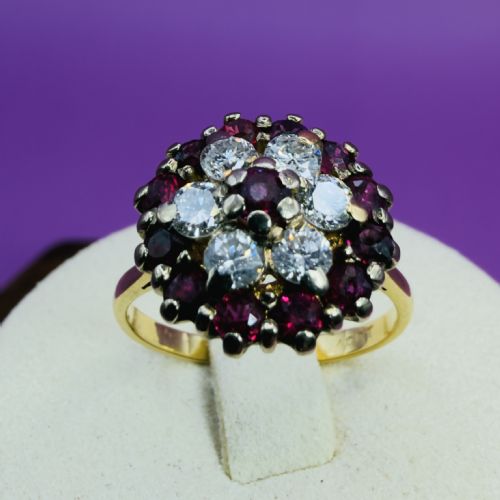
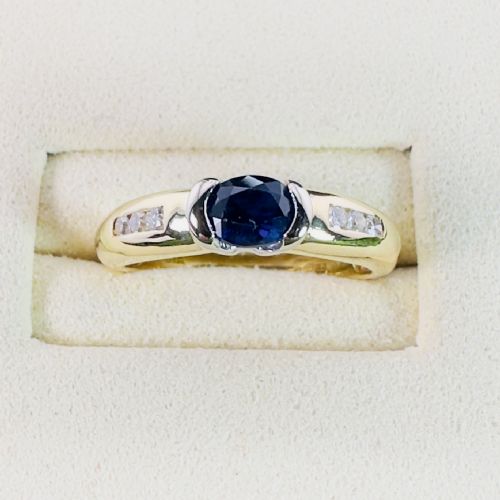
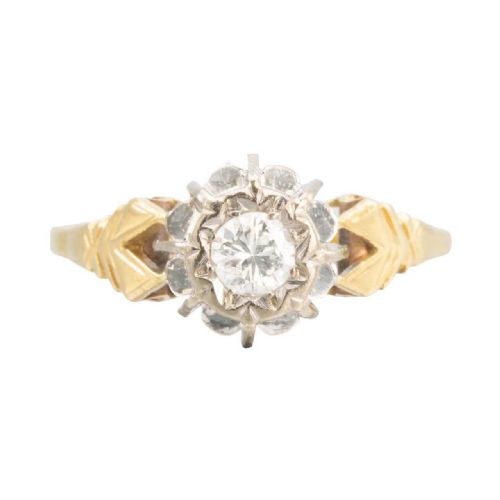
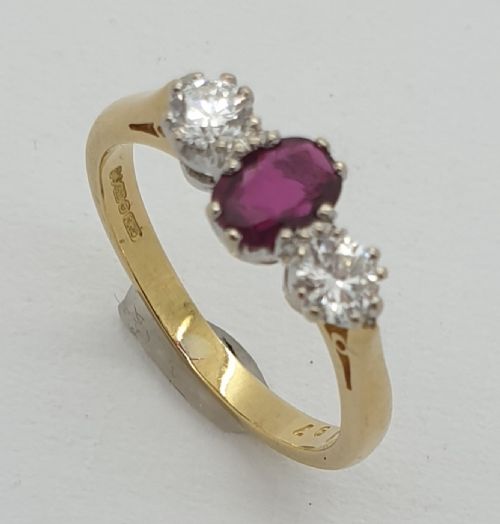
A classic gold dress ring is a decorative finger ornament designed to make a distinct visual statement, frequently taking the form of a cluster, solitaire, half eternity, or trilogy piece. When exploring a classic gold dress ring, buyers encounter items originating from the 1930s, 1950s, and 1960s, reflecting traditional, vintage, mid-century, and Art Deco design sensibilities. These pieces range from substantial emerald and ruby centerpieces to refined diamond and sapphire settings.
The most common examples on this page are mid-century cluster rings and solitaire rings fashioned in 18ct yellow gold, alongside variations in 9ct and 14ct gold. Precious stones such as rubies, sapphires, emeralds, amethyst, and diamonds define the visual vocabulary of these jewels. Each ring serves as a wearable piece of history, shaped by the jewellery traditions of the mid-twentieth century.
How they were made
Craftsmen built these rings primarily using 18ct yellow gold, 18ct white gold, 9ct gold, 14ct gold, and platinum to form durable settings for precious stones. Metalworking techniques of the period focused on securing central gems like diamonds, rubies, sapphires, and emeralds within robust claw or cluster arrangements. High-set solitaire mountings and intricate multi-stone clusters required precise bench work by skilled jewellers.
The integration of mixed gemstones, such as combining rubies with diamonds or framing emeralds with smaller accent stones, demanded careful metal selection and stone matching. Jewelers utilised platinum alongside yellow gold to contrast the sparkle of diamonds against warmer metal tones. This meticulous assembly ensured the structural integrity necessary for daily wear.
Listings feature pieces spanning the 1930s, 1950s, and 1960s, utilising 18ct yellow gold, 18ct white gold, 9ct gold, and platinum alongside diverse precious stones.
What varies in quality
Quality in these rings rests upon the calibre of the central gemstones and the weight of the precious metal used in the shank and setting. Superior examples feature well-matched, vibrant stones such as Colombian emeralds or deeply saturated rubies paired with clean diamonds. The solidity of the 18ct gold framework also distinguishes finer pieces from lighter 9ct alternatives.
The execution of the setting work defines the upper tier of the range, where stones are held securely with balanced proportions and refined finishing. Lesser pieces may exhibit heavier, simpler metalwork that lacks the delicate precision seen in finer mid-century workshops. The overall visual harmony between the gold and the selected gems determines the enduring appeal of each jewel.
The Classic Gold Dress Ring Glossary
- Cluster ring
- A ring featuring a central gemstone surrounded by a group of smaller stones, typically diamonds, which maximises overall sparkle and presence on the finger.
- Solitaire ring
- A single gemstone set on its own in the band, allowing the focus to rest entirely on the central diamond, emerald, ruby, or sapphire.
- Trilogy ring
- A ring set with three stones in a row, often interpreted symbolically to represent the past, present, and future of a relationship.
- Half eternity ring
- A band set with a single continuous line of gemstones across the top half of the hoop, combining comfort with outward brilliance.
- High-set
- A mounting style that elevates the primary gemstone well above the band, allowing more light to enter the stone from the sides.
Classic Gold Dress Ring: Frequently Asked Questions
What is a classic gold dress ring?
A classic gold dress ring is a decorative piece of jewellery fashioned from gold, typically set with precious stones like diamonds, rubies, sapphires, or emeralds. These rings originated primarily during the mid-twentieth century and are worn independently of wedding bands.
They encompass various styles including clusters, solitaires, and trilogy configurations. Buyers choose them for their distinctive period charm and colourful gemstone displays.
How do I wear a dress ring daily?
Wearing a dress ring daily involves considering the hardness of the central gemstone and the robustness of the gold setting. Stones like diamonds and sapphires withstand daily activities well, while softer stones require more mindful wear.
Matching the ring with simple bands allows the dress ring to remain the focal point on the hand. Removing the piece during heavy manual work preserves the integrity of the claws and stones.
How can I tell the period of a ring?
Identifying the period of a ring involves examining the overall design style, the cut of the gemstones, and the specific characteristics of the metalwork. Pieces from the 1930s often show Art Deco geometric influences, while 1950s and 1960s items lean towards mid-century cluster and high-set solitaire forms.
Hallmarks stamped inside the band also provide concrete evidence of the metal purity and manufacturing era. Consulting these stylistic markers helps place the ring within its historical context.
What makes a cluster ring different?
A cluster ring differs from a solitaire by grouping multiple smaller stones around a prominent central gem to create a larger visual impact. This arrangement allows jewellers to combine different gem types, such as pairing a central ruby or sapphire with surrounding diamonds.
The resulting design offers greater colour variation and surface brilliance than a single stone alone. It represents a hallmark style of mid-century jewellery design.