



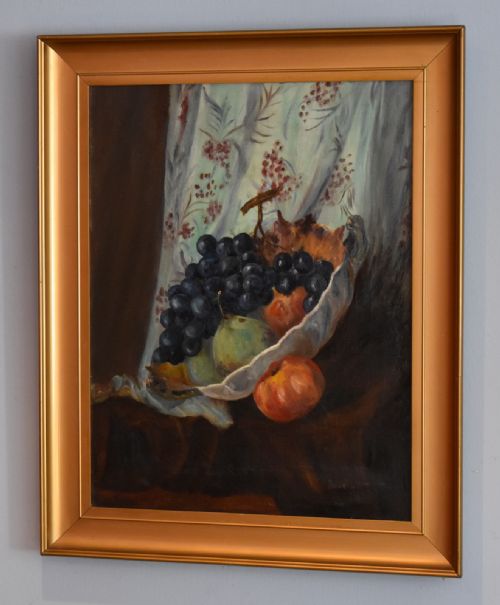

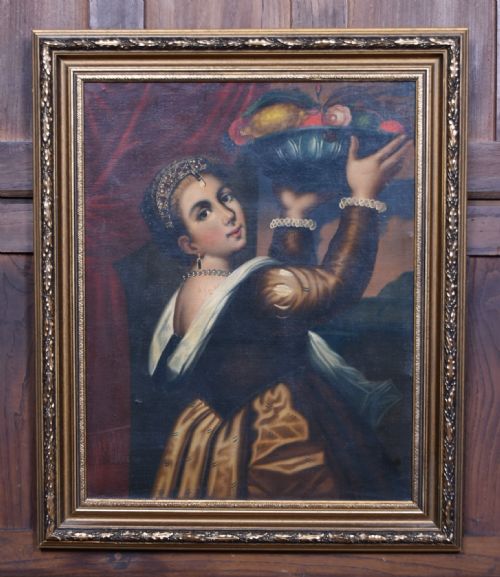


Classic Fruit Painting
These classic fruit painting selections bring together centuries of canvas oil works and still life depictions that collectors prize for their rich detail.
Classic Fruit Painting
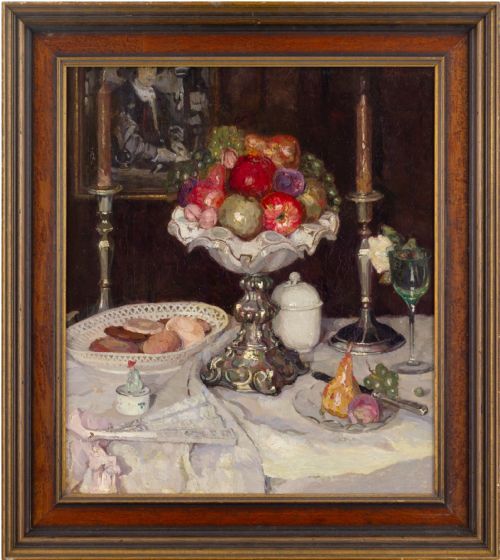
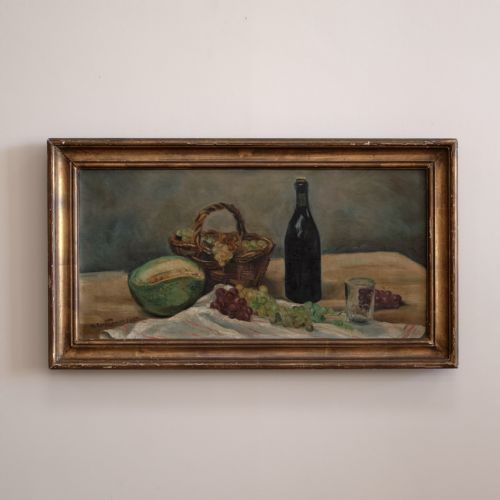
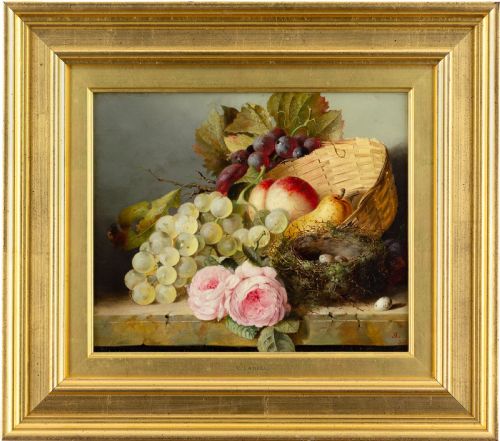
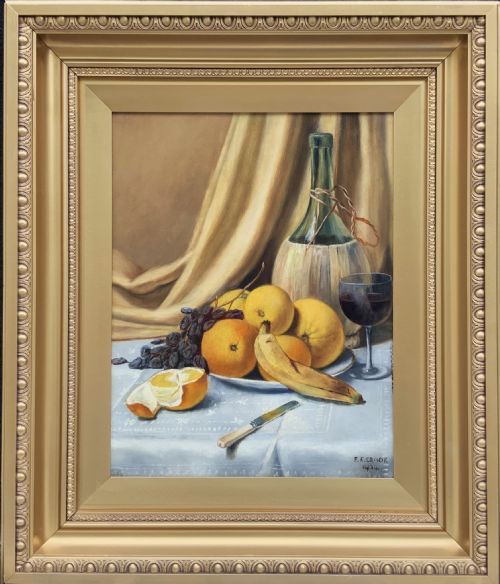
A classic fruit painting typically presents careful arrangements of apples, grapes, and peaches set against dark backgrounds or within domestic interiors. These works span from the eighteenth century through the Edwardian era and into the early twentieth century, capturing a persistent fascination with abundant harvests.
Most pieces encountered on this page take the form of oil paintings on canvas, often housed within period giltwood frames. Alongside traditional canvas works, buyers will discover still life paintings and occasional decorative objects such as painted pottery.
The aesthetic ranges from Victorian realism and Baroque style compositions to later Post-Impressionism and Art Deco expressions. Painters utilised oil paint to render the textures of wicker baskets, porcelain ginger jars, and polished wooden tabletops alongside their central subjects.
How They Were Made
Artists relied primarily on oil paint applied to prepared canvas surfaces, building depth through successive layers of glaze and opaque pigment. This medium allowed painters to capture the translucent skin of grapes and the soft down of peaches with notable precision.
Many of these works are housed in wood frames finished with layers of gilt, providing a reflective border that contrasts with the sombre tones typical of traditional still life backgrounds.
Classic Fruit Painting Retail Price Guide 2026
Typical asking prices for classic fruit painting among the pieces listed under this phrase on Sellingantiques today, from the lower quarter to the upper quarter. They describe what is for sale here now, not the wider market.
Listings feature works spanning the eighteenth, nineteenth, and twentieth centuries, executed in oil on canvas and housed in giltwood.
What Varies in Quality
The distinction between standard works and superior examples rests in the handling of light, shadow, and surface texture by the artist. Masterful brushwork achieves convincing tactile qualities in fruit skins and surrounding objects like wicker baskets and porcelain vessels.
Framing also plays a role in the overall integrity of the piece, as original giltwood frames that complement the canvas enhance the historical value of the artwork.
Edward Ladell·Else Preußner·William Joseph Carroll·Thomas Hooper·William Jones·Oliver Clare·George Lance·James and William Ward
The Classic Fruit Painting Glossary
- Oil on Canvas
- A painting technique where oil-based paints are applied to a stretched canvas support. This method became dominant due to its longevity and flexibility.
- Still Life
- An artwork depicting mostly inanimate subject matter, typically commonplace objects which may be either natural or man-made. Fruit arrangements form a core traditional category within this genre.
- Giltwood
- Wood that has been treated with gold leaf or a gold-coloured metallic finish. Frames of this material frequently accompany nineteenth-century oil paintings.
- Baroque Style
- An artistic approach characterised by dramatic use of light, deep shadows, and rich detail. This style influenced classical composition and theatrical lighting in painting.
Classic Fruit Painting: Frequently Asked Questions
Where were these paintings displayed originally?
These works traditionally hung in dining rooms, drawing rooms, and formal parlours of period homes. Their subject matter made them natural decorative choices for spaces associated with food and hospitality.
Owners often paired them with heavy wooden sideboards and ornate dining furniture.
How do I identify the period of a canvas?
Dating relies on examining the stretcher frames, canvas preparation, and the specific pigment usage typical of eras like the Victorian or Edwardian periods.
Signatures, artist records, and the style of the accompanying giltwood frame also provide reliable chronological markers.
Can I hang these in direct sunlight?
Ultraviolet light damages oil paints and causes fading in organic pigments over time. Placing works away from direct windows preserves the depth of colour.
Stable indoor humidity also prevents the canvas and wooden frame from warping.