


Classic French Light Fixture
A classic french light fixture brings unmistakable architectural presence and layered illumination to a room, spanning grand chandeliers and modest hall lanterns.
Classic French Light Fixture
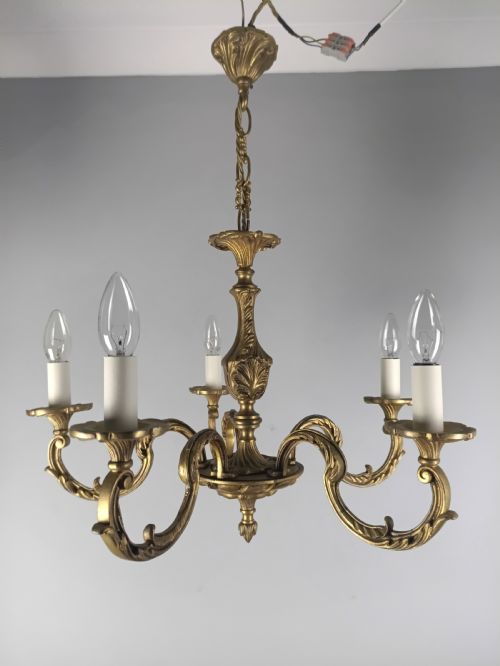
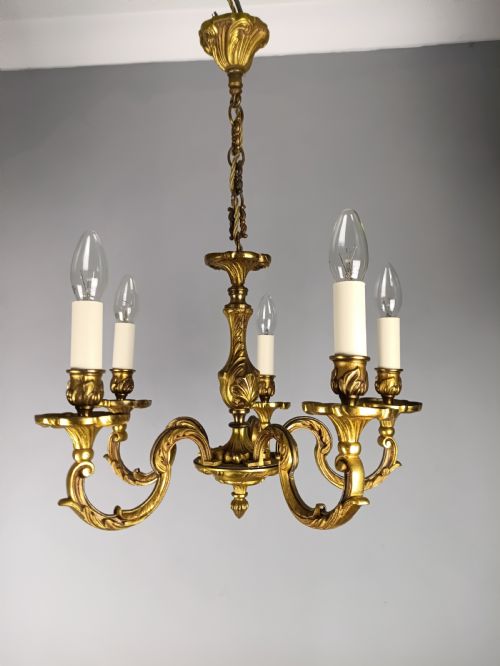
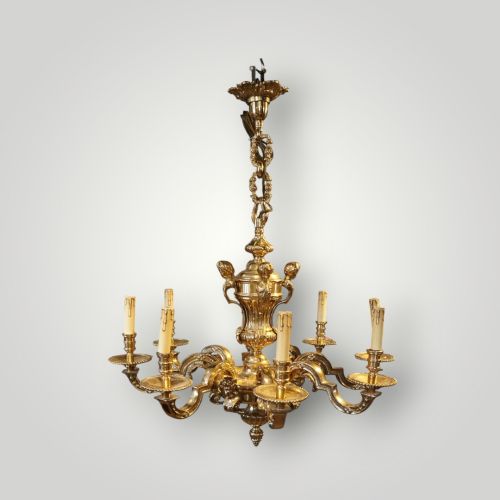
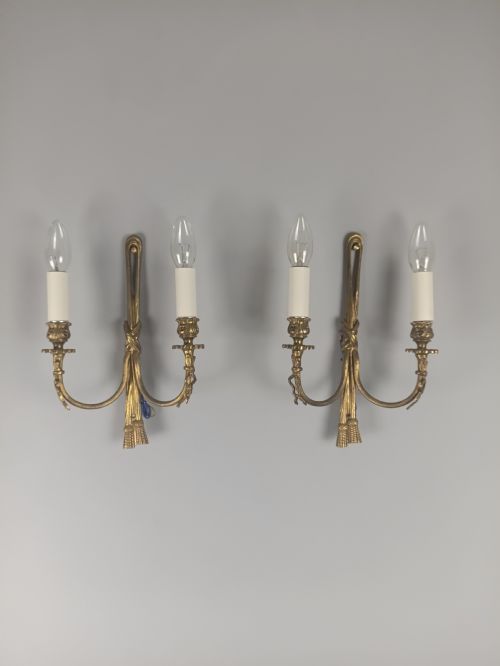
A classic french light fixture encompasses a range of decorative lighting forms, from large multi-armed chandeliers to wall sconces and hanging lanterns. These pieces draw on historical design idioms including the Empire, Baroque, and Rococo styles.
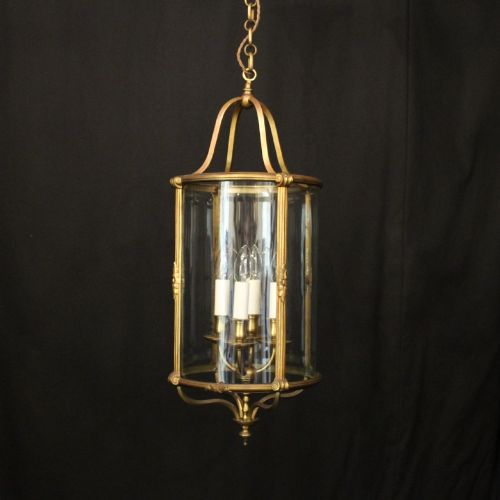
Buyers will most frequently encounter examples originating from the early twentieth century, alongside nineteenth-century and eighteenth-century works. Common configurations include chandeliers set with multiple lights and glazed lanterns designed for entrance halls.
Materials and construction
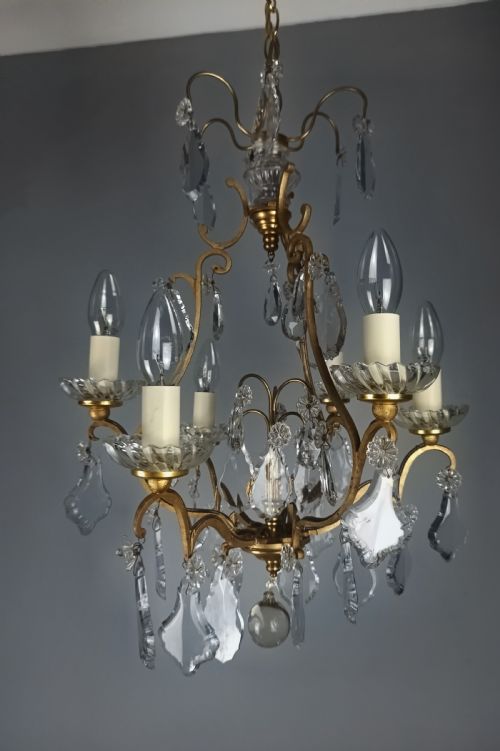
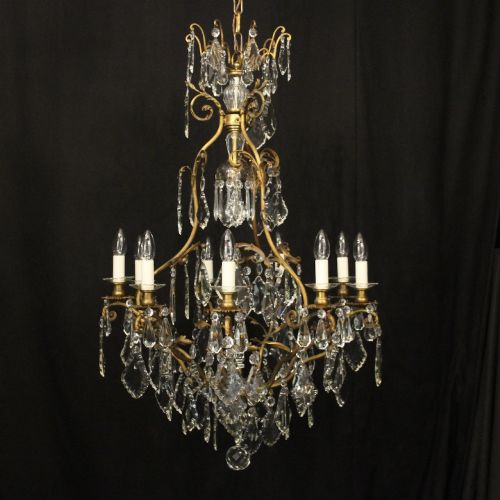
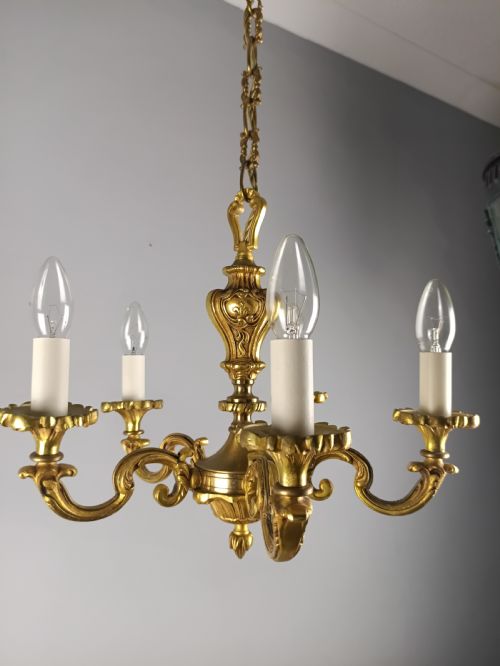
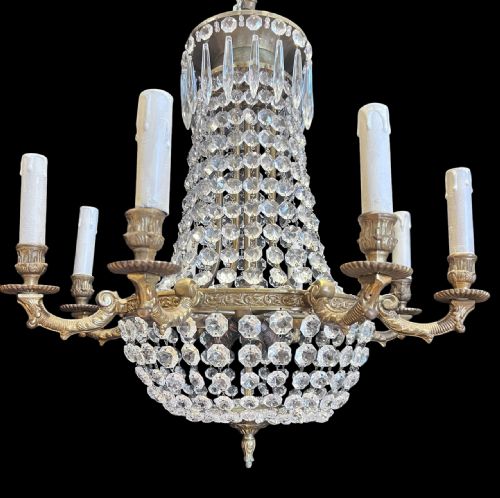
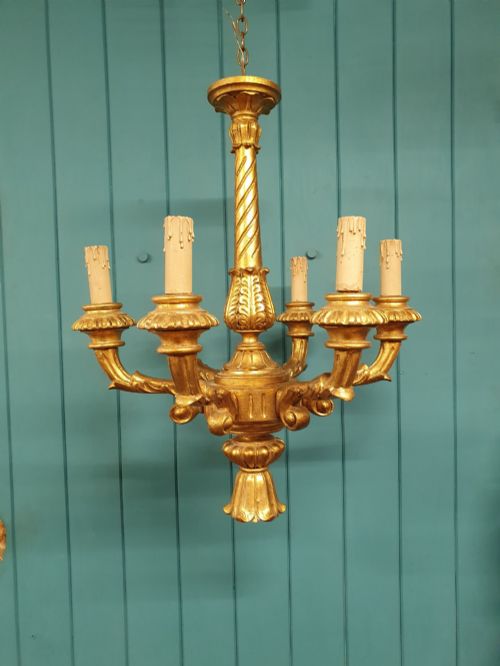
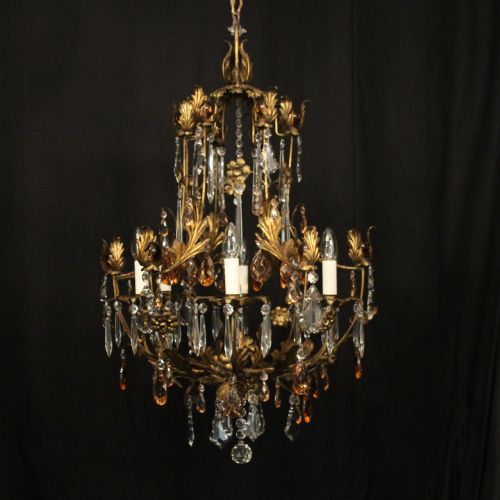
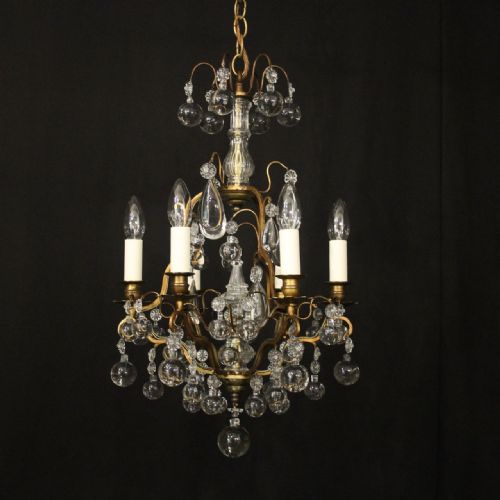
Makers constructed these fixtures using cast bronze, brass, and gilt metals, often applying a gilded finish to enhance the reflective quality of the metalwork. Structural frames support elaborate arrangements of cut glass, crystal drops, and amethyst crystals.
The integration of metal frameworks with glass elements requires specialised mounting techniques, particularly in tent and waterfall chandeliers or enclosed glass lanterns. Metal components are frequently chased or cast in distinct revival styles before assembly.
Classic French Light Fixture Retail Price Guide 2026
Typical asking prices for classic french light fixture among the pieces listed under this phrase on Sellingantiques today, from the lower quarter to the upper quarter. They describe what is for sale here now, not the wider market.
Materials documented across the inventory include brass, gilt bronze, steel, amethyst crystal, and cut glass.
Assessing quality and execution
The distinction between tiers often lies in the depth of the metal casting and the precision of the chasing work on gilt bronze or brass components. Finer pieces display crisp botanical or classical detailing rather than soft or repetitive surface patterns.
Quality also depends on the clarity and cut of the crystal or glass elements suspended from the frame. Hand-cut drops with sharp facets reflect light with greater brilliance than pressed glass alternatives.
The Classic French Light Fixture Glossary
- Gilt bronze
- Metal cast with a layer of gold applied to the surface. It is frequently found on nineteenth and twentieth-century French chandeliers.
- Tent and waterfall
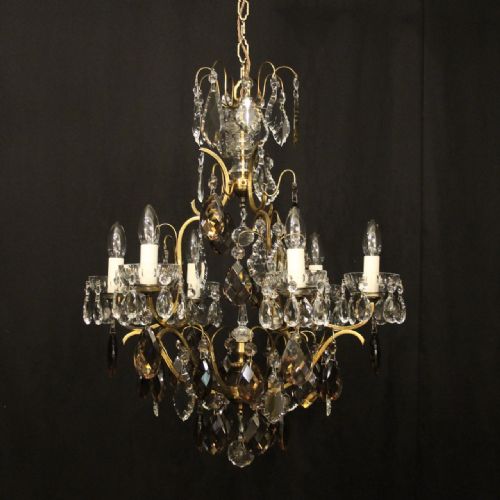
- A chandelier design where strings of crystal beads form a tent shape above a cascading arrangement of drops. This configuration creates a dense display of refracted light.
- Hall lantern
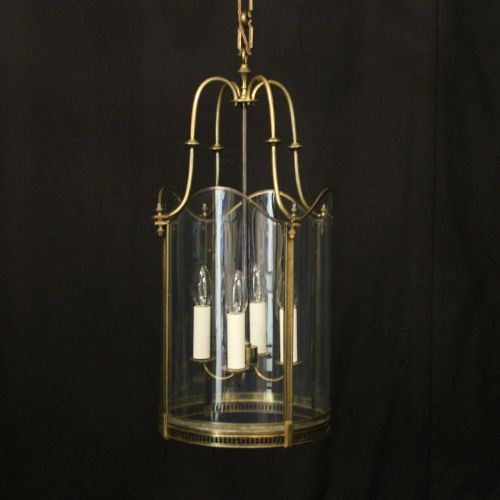
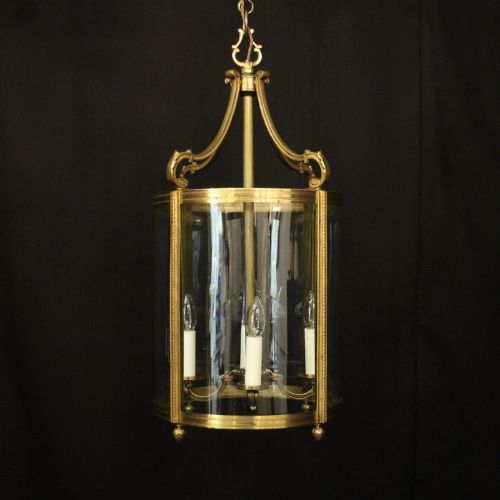
- An enclosed hanging light designed for corridors and entrance spaces. These fixtures often feature glazed panels held within a brass or gilt bronze frame.
- Mazarin
- A specific stylistic designation for certain historical bronze chandeliers. Such pieces typically exhibit robust casting and traditional proportions.
- Candelabra
- A branched candlestick holder that is sometimes adapted into a table lamp. Examples in the evidence date from the nineteenth century.
Classic French Light Fixture: Frequently Asked Questions
How do I hang a heavy antique chandelier?
Suspending a substantial bronze or crystal fixture requires securing the weight directly to ceiling joists using a rated ceiling hook and appropriate hardware. Professional electrical installation ensures the internal wiring safely handles the required load and voltage.
Heavier pieces often demand independent steel support wires concealed alongside the chain to guarantee safety. Consulting a qualified electrician before installation prevents structural damage to older ceilings.
What is an Empire style chandelier?
An Empire style fixture references the Neoclassical aesthetics popular during the early nineteenth century and later revival periods. These pieces incorporate classical motifs, symmetrical balance, and often feature tent-and-waterfall crystal configurations.
The design aesthetic draws inspiration from ancient Roman and Greek forms, translated into gilt bronze and brass work. Such fixtures project a formal and structured appearance suited to principal reception rooms.
How do I clean crystal chandeliers safely?
Routine maintenance involves dusting the glass components gently in situ using a soft, dry wand or lint-free cloth. For a deeper clean, specialised non-drip crystal cleaner can be sprayed directly onto the drops while placing towels beneath the fixture to catch runoff.
Removing individual crystal drops for washing in warm soapy water allows for thorough cleaning of intricate metal pins. Care must be taken to dry each piece completely before reattachment to prevent corrosion on the metal frames.
Where should a hall lantern be placed?
Hall lanterns function effectively in entranceways, corridors, and high-ceilinged vestibules where vertical space allows adequate clearance. Their enclosed glazed designs protect the internal light sources while directing illumination downward and outward.
Sizing the lantern relative to the floor area and ceiling height ensures correct visual balance within the room. Positioning the fixture centrally provides uniform ambient light for transitional spaces.