

Classic French Lamp
A classic french lamp brings architectural presence and refined metalwork into a room, spanning styles from Empire to Art Deco.
Classic French Lamp
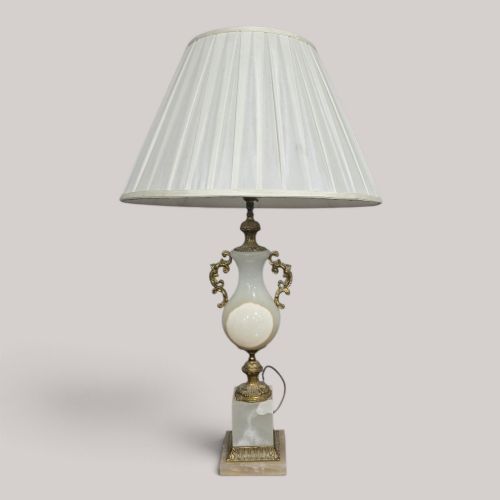
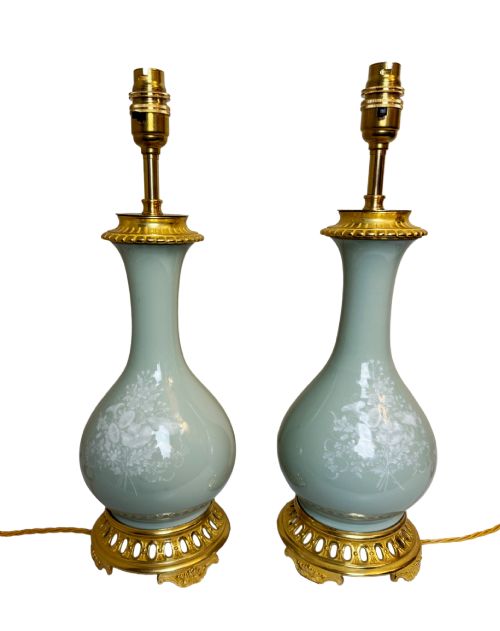
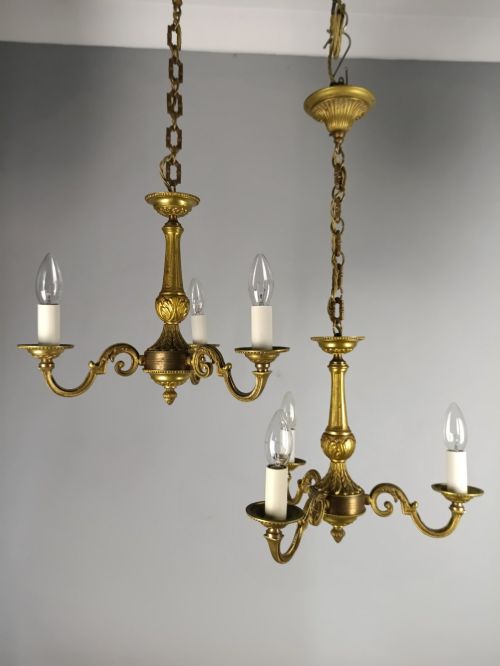
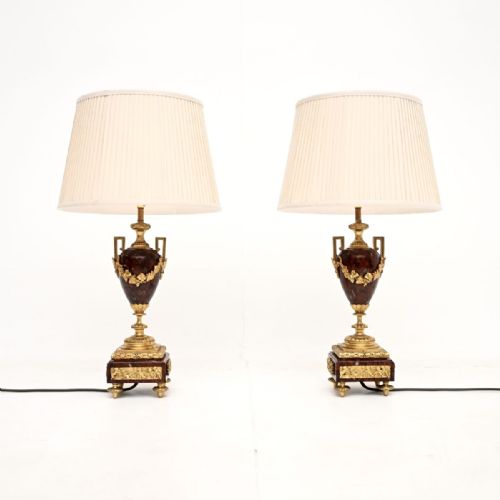
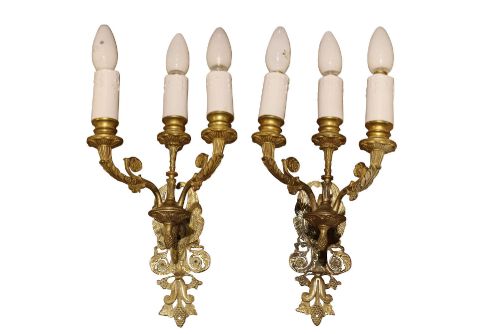
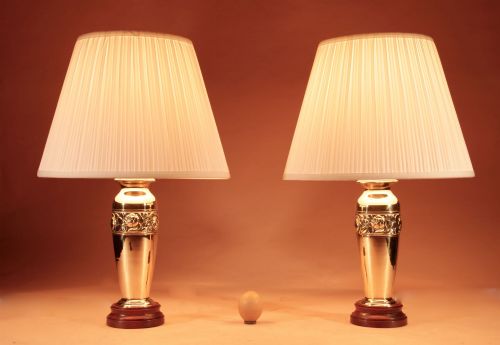
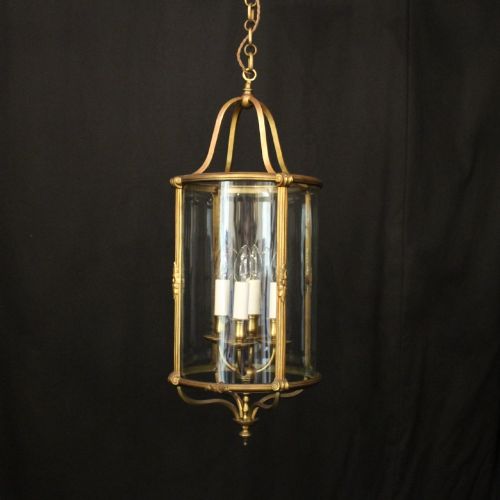
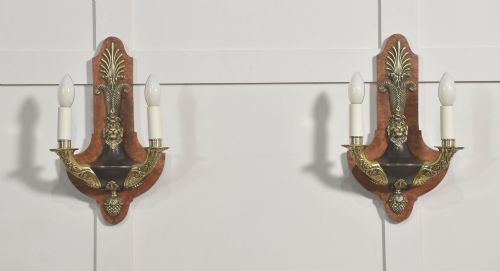
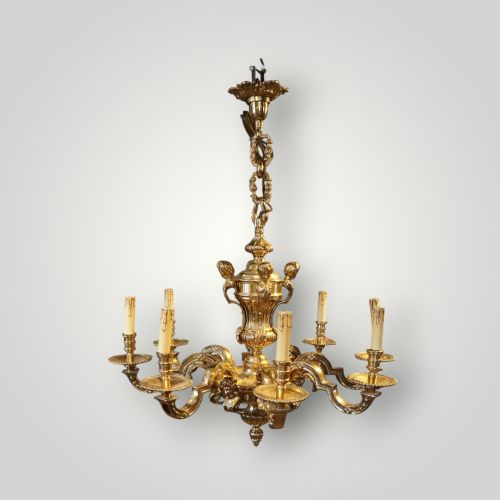
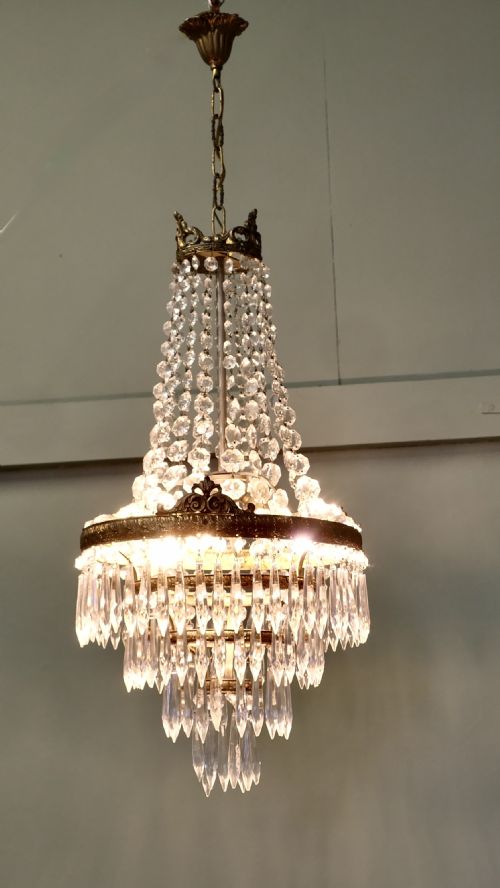
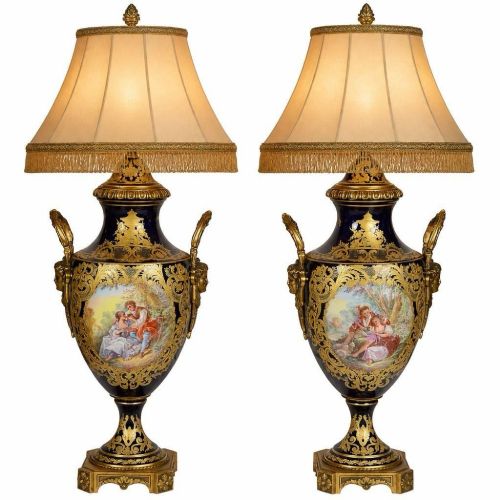
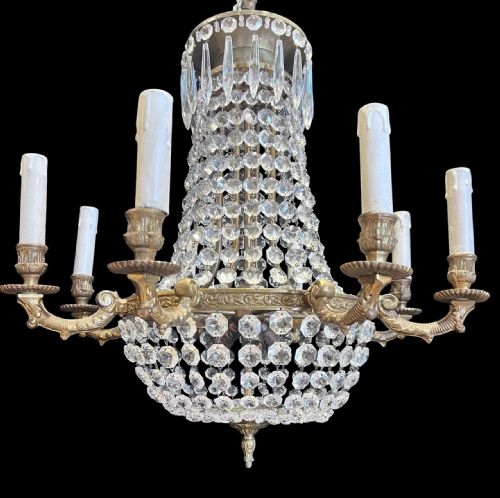
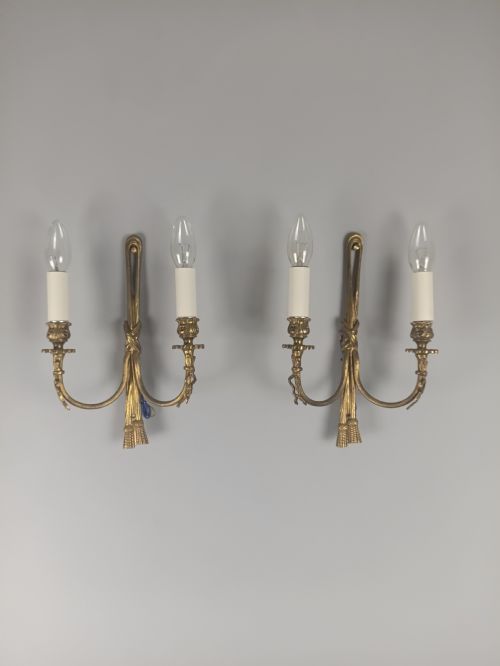
A classic french lamp encompasses table lamps, desk lighting, wall lights, and floor standing pieces originating from various periods including the nineteenth century and the decades leading up to 1930. The selections available on this page focus heavily on table lamps and wall sconces, alongside larger hanging chandeliers and lanterns.
Makers and designers from the nineteenth century onward utilised distinct decorative vocabularies, visible in styles ranging from French Empire and Louis XVI to Rococo Revival and Art Deco. Buyers encounter forms cast in bronze, brass, and gilt metals, frequently paired with marble bases or painted toleware shades.
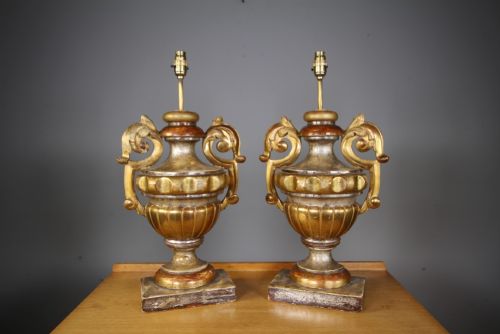
The objects frequently adapt earlier lighting formats, converting traditional candlesticks, candelabra, and bronze statuary into electrified fittings while retaining their original proportions and sculptural detail.
Materials and construction
Foundry work relies on bronze, gilt bronze, ormolu, and brass, shaped through casting and chasing to produce crisp surface ornamentation. Ormolu involves the application of finely ground high-carat gold to a bronze base, creating a durable golden lustre.
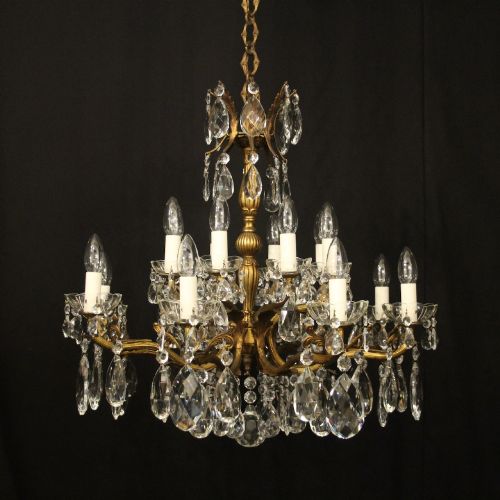
Secondary materials introduce colour and texture through white or coloured marble bases, cut glass crystals, and painted toleware metal shades. Carved pine and polychrome wood also appear within the selection for specific regional and decorative forms.
Classic French Lamp Retail Price Guide 2026
Typical asking prices for classic french lamp among the pieces listed under this phrase on Sellingantiques today, from the lower quarter to the upper quarter. They describe what is for sale here now, not the wider market.
Bronze cherubs and putti frequently abandon their classical duties to hold up electrical lamp fittings.
Distinctions in standard
The definition of the chasing on cast bronze and ormolu elements dictates the visual sharpness of floral swags, acanthus leaves, and figural details. Lower tiers exhibit softer casting edges where subsequent hand-finishing was kept to a minimum.
The integration of materials determines the structural integrity of the piece, particularly where heavy marble bases meet metal mounts or crystal drops join patinated brass frames. Original components and uncompromised surface patination elevate the piece above later assembled alternatives.
Aug. Moreau
The Classic French Lamp Glossary
- Ormolu
- Gilded bronze, produced by applying a mercury and gold amalgam to a bronze object and heating it to vaporise the mercury. This technique creates a rich golden finish characteristic of French decorative metalwork.
- Toleware
- Lacquered or painted sheet metal items, frequently utilised for lamp bases and adjustable shades on bouillotte desk lighting. The painted surfaces often feature hand-applied decorative motifs.
- Bouillotte
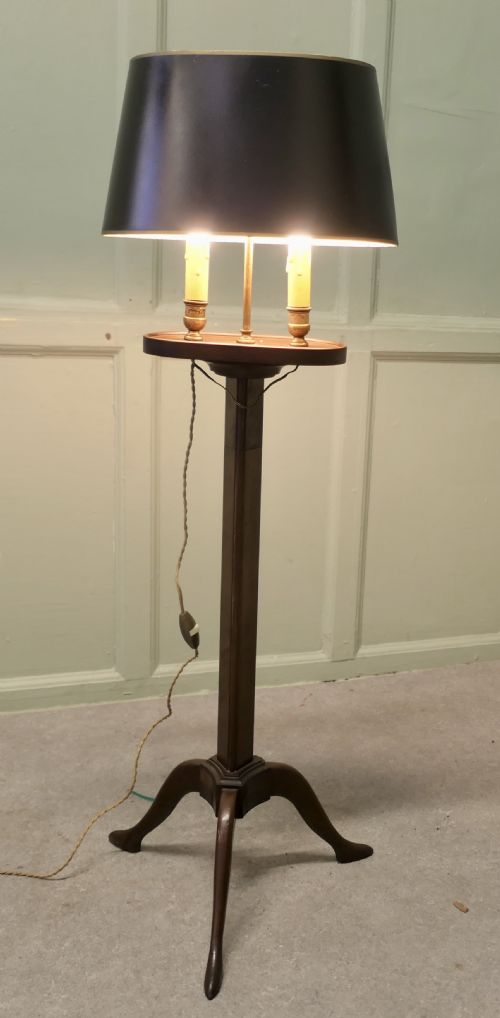
- A type of adjustable reading lamp featuring a central column, multiple candle arms, and a downward-pointing shade designed to direct light over a card table or desk.
- Candelabra
- A multi-branched candlestick holder that was frequently converted into an electric lamp during later periods while retaining its original sculptural branches.
- Waterfall chandelier
- A lighting fixture featuring tiers of cut glass crystals arranged to resemble cascading water, capturing and refracting illumination from internal points.
Classic French Lamp: Frequently Asked Questions
What is a bouillotte lamp?
A bouillotte lamp is a traditional desk or table light featuring a central shaft with multiple candle branches and a movable tole shade. The shade slides up and down the vertical rod to control the spread of illumination.
Originally designed for card games in the eighteenth century, these pieces transitioned into refined reading and desk lamps through the nineteenth and early twentieth centuries, constructed from brass, bronze, and painted metal.
How do I date a bronze lamp?
Dating relies on examining the quality of the casting, the colour of the underlying metal, and the assembly methods used for the mounts. Nineteenth-century examples often display deep hand-chasing and heavy bronze construction.
Later pieces from the 1920s and 1930s incorporate Art Deco geometric lines or simpler stamped brass components alongside older revival styles like Louis XVI and Empire.
Were these lamps originally electric?
Many examples began life as oil lamps, gas fixtures, or candlesticks before receiving electrical wiring at a later date. Conversions were frequently carried out professionally to adapt antique metalwork for modern domestic interiors.
Inspectors look for evidence of how wiring passes through the original central channels without compromising the structural integrity of the antique bronze or marble components.
How should I clean gilt bronze?
Gilt bronze and ormolu require gentle dusting with a soft dry brush to prevent the accumulation of dirt within the intricate chased recesses. Avoid abrasive metal cleaners and chemical dips, which strip away the delicate gold layer.
Persistent grime can be addressed with a slightly damp cloth followed immediately by thorough drying to protect the historic surface patination.