






Classic French Desk
A classic french desk brings refined writing forms and gilt mounts into a room, offering both history and everyday utility.
Classic French Desk
A classic french desk encompasses writing furniture spanning the nineteenth century and the early twentieth century, including bureau plat and secretaire abattant forms. These pieces often feature mahogany timbers alongside decorative mounts and fitted writing surfaces.
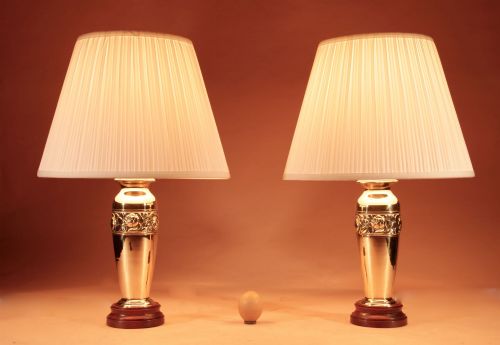
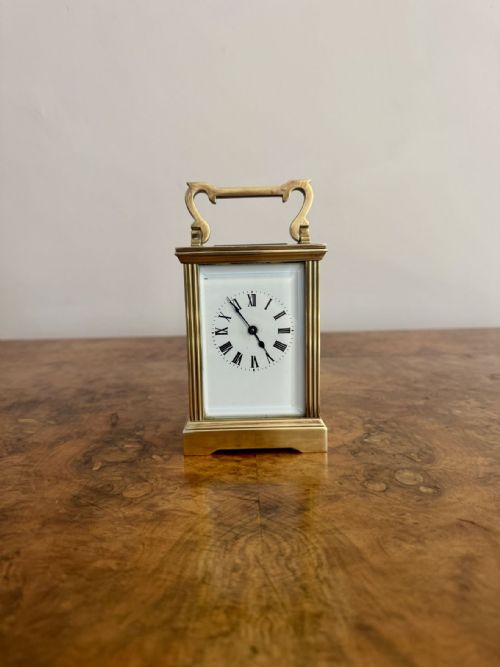
The nineteenth-century examples on this page bring formal architectural presence through empire style design and mahogany construction. Alongside these writing tables, the listings include related writing accessories and lamps that sit upon them.
Materials and construction methods
Makers utilised solid and veneered mahogany for the structural bodies of these writing desks, combining cabinetmaking with cast metal elements. Ormolu and gilt bronze mounts were secured to drawers and corners to highlight the architectural lines.
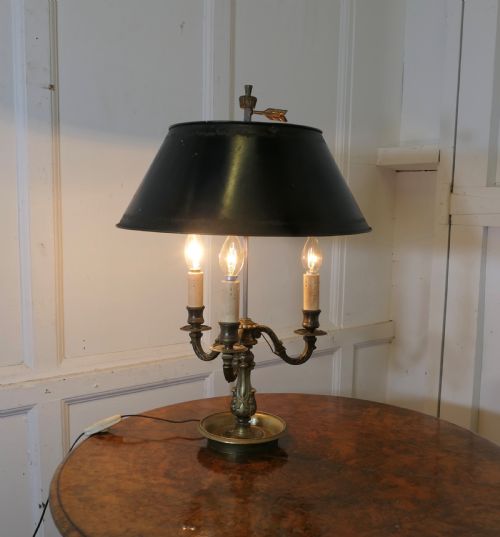
Marble bases and painted toleware also appear among the associated desk accessories and lighting, showing a mix of metalwork and ceramics. Cast brass hardware and detailed handles complete the construction of the writing pieces.
Classic French Desk Retail Price Guide 2026
Typical asking prices for classic french desk among the pieces listed under this phrase on Sellingantiques today, from the lower quarter to the upper quarter. They describe what is for sale here now, not the wider market.
Distinctions in quality and execution
The standard of a classic french desk rests upon the crispness of its gilt bronze or ormolu mounts and the depth of the mahogany grain. Finer pieces demonstrate precise casting in the metalwork and careful timber selection for the main writing surfaces.
Secondary elements such as fitted interior drawers and the quality of the brass hardware distinguish standard workshop output from exceptional cabinetmaking. The integration of marble elements and balanced proportions further separate the tiers of manufacture.
Jean de Roncourt·Aug. Moreau·Al Barye·Barbedienne
The Classic French Desk Glossary
- Bureau plat
- A double-sided flat writing desk, typically featuring three drawers along the frieze and cabriole or tapered legs. This form originated in France and was widely produced during the nineteenth century.
- Secretaire abattant
- A tall upright cabinet featuring a fall-front writing flap that conceals small drawers and pigeonholes inside. It provides a vertical storage solution while offering a concealed writing surface.
- Ormolu
- Ground metallic bronze cast, chased, and gilded with gold leaf, used extensively for decorative mounts on furniture and clocks. The finish requires careful cleaning to preserve the underlying metal detail.
- Toleware
- Enamelled and painted sheet metal used to form lamp shades, canisters, and desk accessories in various decorative colours. It frequently accompanies brass fittings on nineteenth-century desk lamps.
Classic French Desk: Frequently Asked Questions
What is a classic french desk?
A classic french desk is a nineteenth-century or early twentieth-century writing table, such as a bureau plat or secretaire abattant, built from mahogany and accented with gilt bronze mounts.
These pieces reflect historic french design movements like the empire style, providing both a functional workspace and decorative presence.
How do I identify periods?
Periods are identified through structural silhouettes, timber choices, and decorative motifs such as neoclassical columns or art deco lines. Nineteenth-century examples often rely on heavy mahogany and ormolu.
Later pieces from the 1920s incorporate different metallic finishes and simpler geometric forms while maintaining french decorative traditions.
Where were they used?
These desks were historically placed in private libraries, drawing rooms, and studies for correspondence and administrative tasks. They served as central functional furniture for writing letters and managing estate affairs.
Today they function as practical writing desks or statement console tables within modern residential interiors.
How do I care for mounts?
Ormolu and gilt bronze mounts require gentle dusting with a soft cloth to prevent the accumulation of dirt within the chased details. Avoid harsh chemical cleaners that can strip the historic gilding from the surface.
Regular light maintenance preserves the contrast between the polished metal highlights and the dark mahogany or marble frames.