
Classic Framed Oil Picture
A classic framed oil picture brings centuries of portraiture, maritime views, and pastoral landscapes into a room through rich pigments and ornate wooden surrounds.
Classic Framed Oil Picture
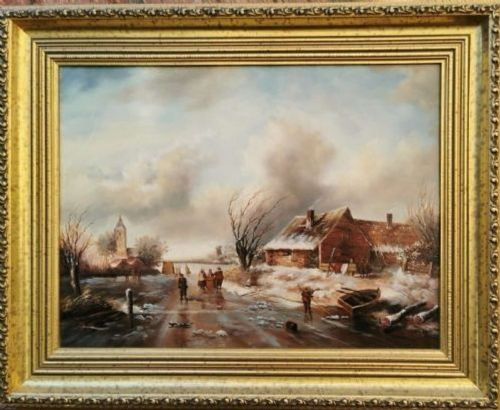
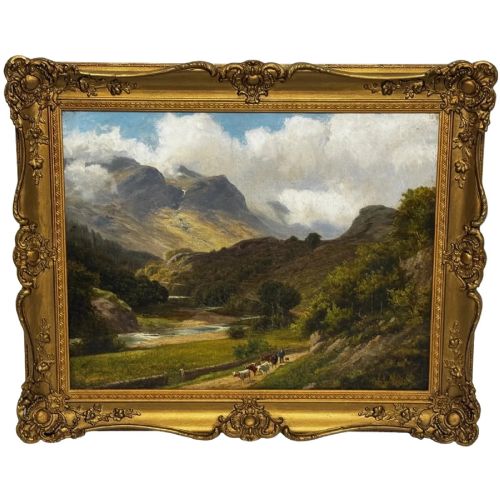
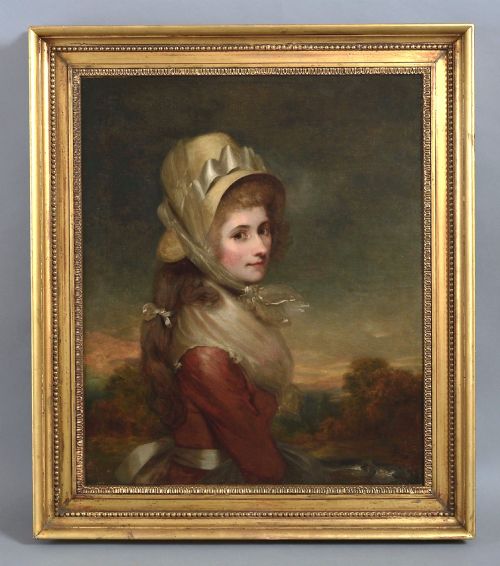
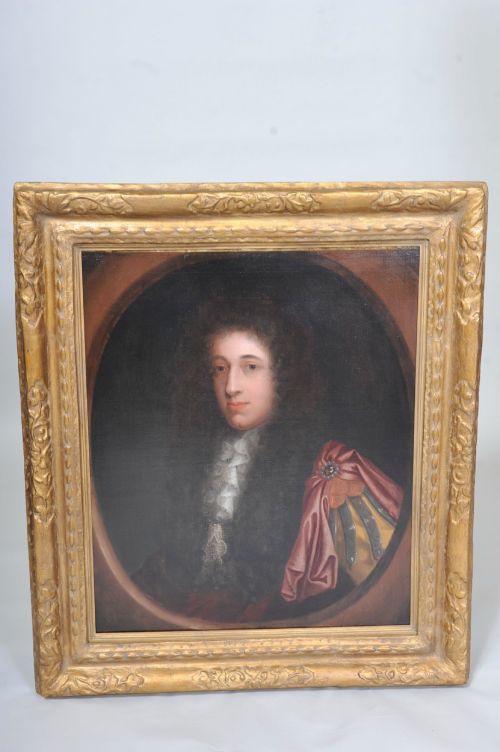
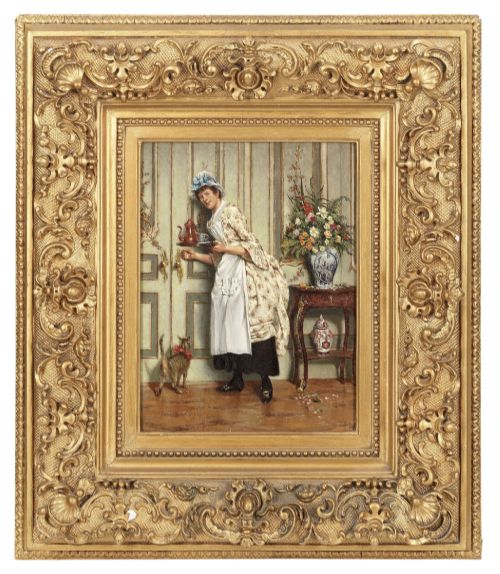
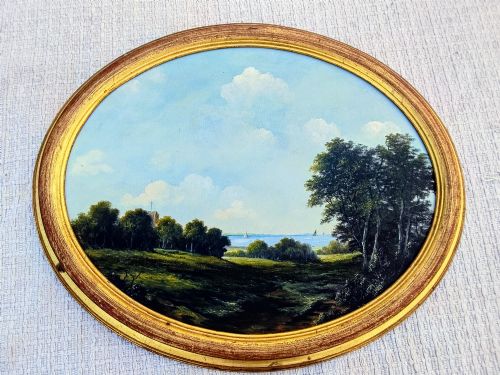
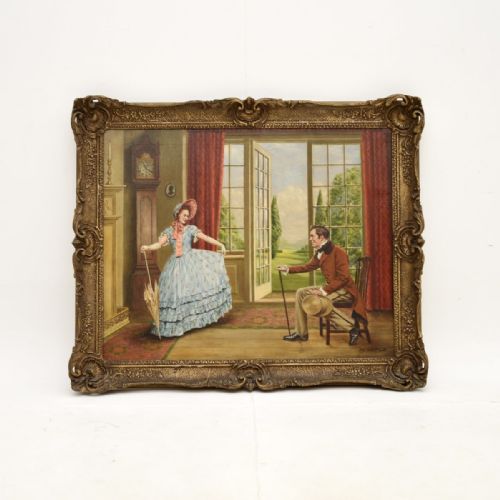
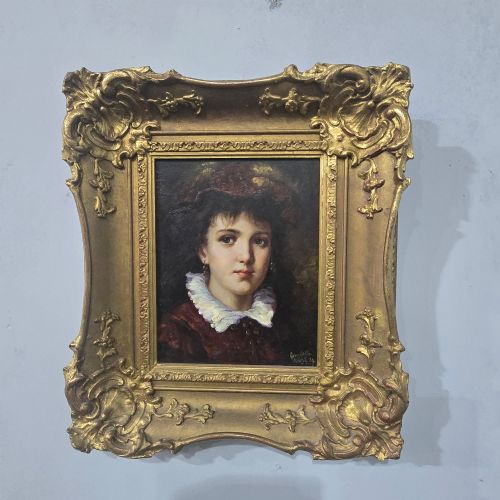
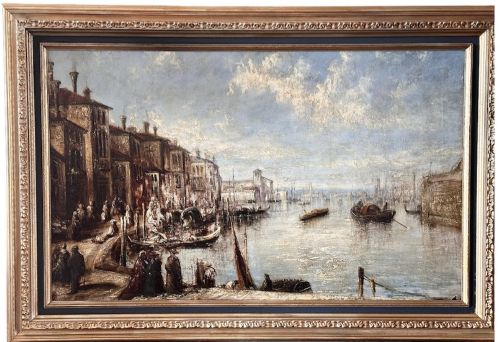
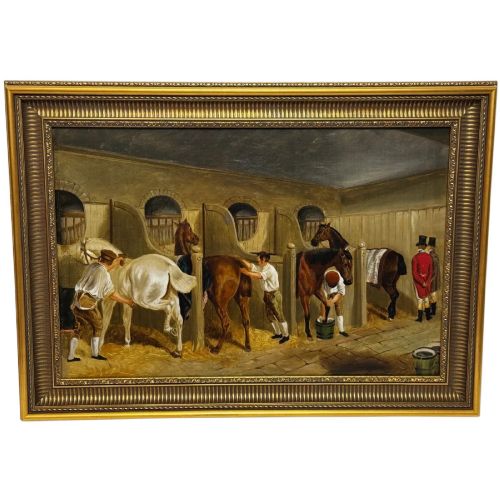
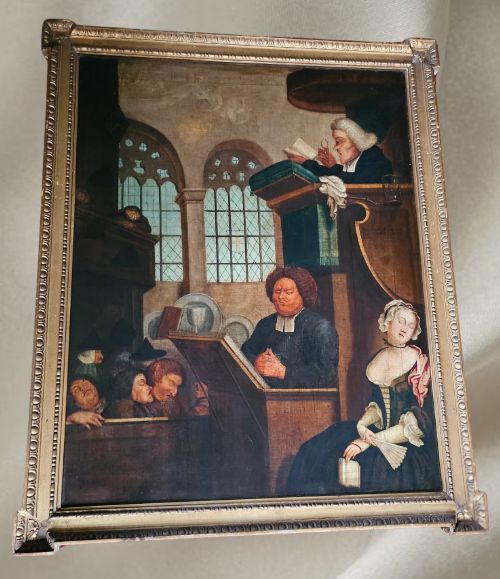
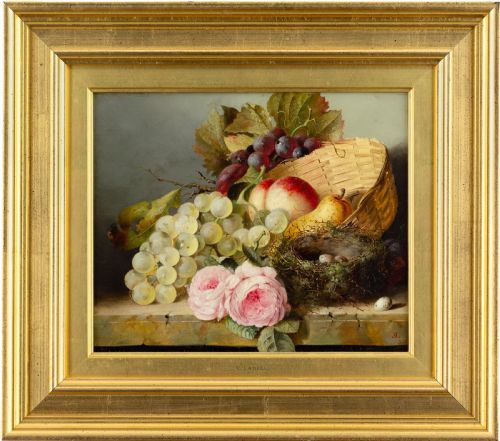
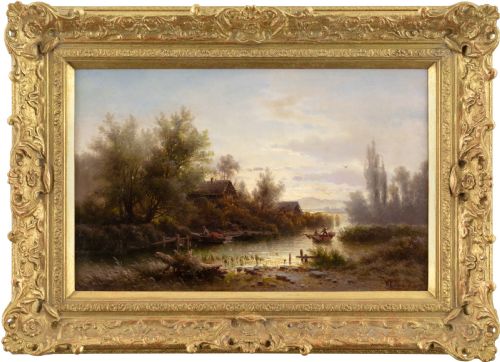
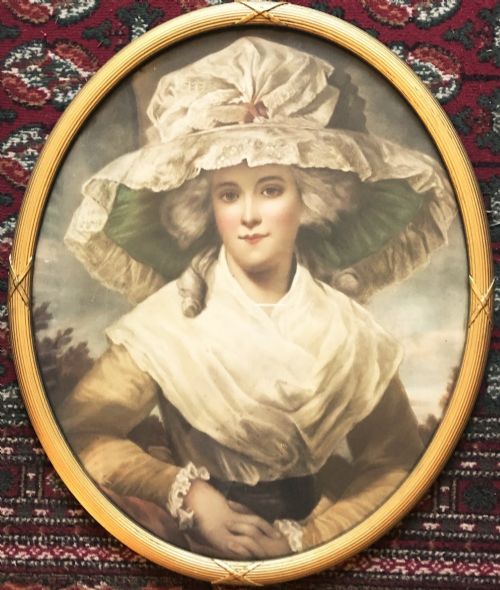
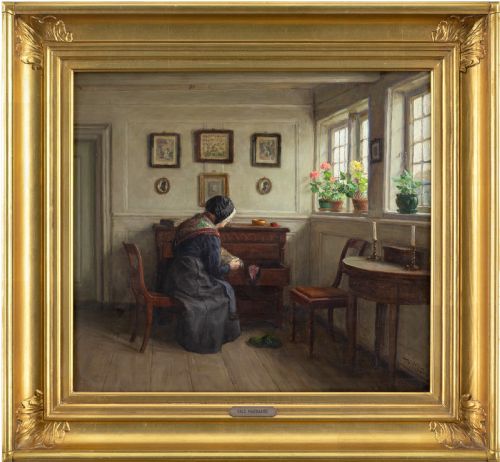
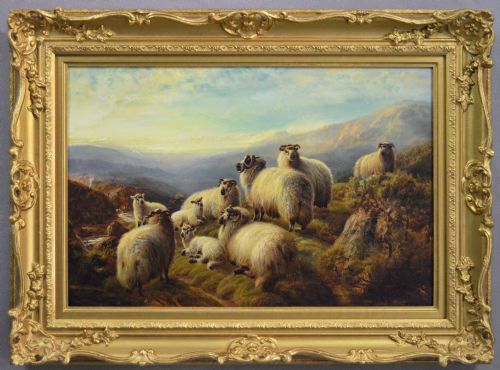
When buyers search for a classic framed oil picture, they encounter centuries of canvas and panel works spanning the seventeenth century through to the mid-twentieth century. The selection ranges from sweeping Venetian vistas and Highland sheep scenes to intimate domestic interiors and formal portraits of gentlemen and ladies. Victorian genre pieces and traditional maritime views appear frequently alongside seventeenth-century aristocratic portraits.
Most examples arrive enclosed in their period surrounds, which often take the form of heavy giltwood, gesso, or carved wooden frames. The subjects bridge several distinct traditions, including British and European schools, capturing subjects from quiet country house interiors to dramatic river landscapes.
How they were made
Painters applied oil paint to stretched canvas or wooden board, building depth through successive layers of pigment and translucent glazes. This medium allowed artists to achieve rich tonal gradations in skies, fabrics, and flesh tones.
The accompanying surrounds utilise carved wood, gesso mouldings, and gold leaf gilding to create ornate architectural borders. These frames were frequently designed specifically to complement the palette and period of the artwork within.
Listings feature canvases spanning from the seventeenth century through to 1960, utilising oil paint, canvas, gesso, and giltwood.
What varies in quality
The depth of skill in brushwork and anatomical handling separates master portraitists from competent regional copyists. Superior canvases display confident handling of light, particularly in the rendering of fabrics like green silk gowns or the play of morning sun across a river landscape.
The integrity and ornamentation of the surrounding frame contribute significantly to the overall piece. Hand-carved giltwood mouldings show superior craftsmanship compared to simpler or later replacement surrounds.
Sir Martin Archer Shee·Stephen Samuel Lewin·Alfred Lyndon Grace·Francis Moltino·Edward Ladell·Albert Rieger·Valdemar Magaard·Robert Watson·T C Hofland·Bertram Priestman·Attilio Toro·Walter J Watson·John Wright Oakes·Alfred Pollentine·Alfred de Breanski·Christoffel Bisschop·Sir Peter Lely·John Gilroy·Francesco Bergamini·John Holland Snr
The Classic Framed Oil Picture Glossary
- Gesso
- A plaster-like mixture applied to wooden frame bases to create a smooth surface for gilding. Artisans carved intricate decorative motifs directly into this dried preparation.
- Genre painting
- The pictorial representation of scenes from everyday life, involving ordinary people in domestic interiors or rural settings. These works provide social history alongside artistic merit.
- Giltwood
- Wood that has been coated with a thin layer of gold leaf or gold paint. This technique protected the timber underneath while adding reflective brilliance to the surround.
- Provenance
- The documented history of ownership surrounding a work of fine art. Clear records establish authenticity and trace the journey of a painting through time.
Classic Framed Oil Picture: Frequently Asked Questions
How do I hang a heavy framed oil?
Secure fixings directly into wall studs or utilise heavy-duty wall anchors rated for the combined weight of the canvas and substantial wooden surround. Professional picture wire attached to sturdy D-rings distributes the load evenly across the structure.
Ensure the hanging height places the centre of the picture at eye level for comfortable viewing within the room.
How should I clean the canvas?
Dust the surface gently with a soft, dry artist's brush to remove loose particles without disturbing the aged oil paint. Avoid using water, household cleaners, or chemical solvents on the paint layer.
Professional conservators should handle any deep cleaning or the removal of darkened varnish layers to prevent permanent damage to the pigment.
Are these works painted on canvas?
Many examples utilise stretched canvas as a primary support, while others employ wooden boards or panels. The choice of support often relates to the period and the specific regional school of the artist.
Canvas works typically display a fine weave texture beneath the oil paint layers, visible upon close inspection.
How do I identify the period?
Examine the style of clothing, the construction techniques of the wooden stretcher or frame, and the specific pigments used. Portrait subjects often wear garments typical of seventeenth-century, Victorian, or Edwardian fashions.
Signature styles, recorded biographical dates of the artists, and framing materials provide additional chronological markers.