
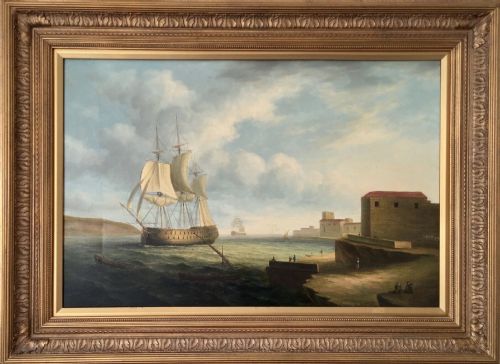
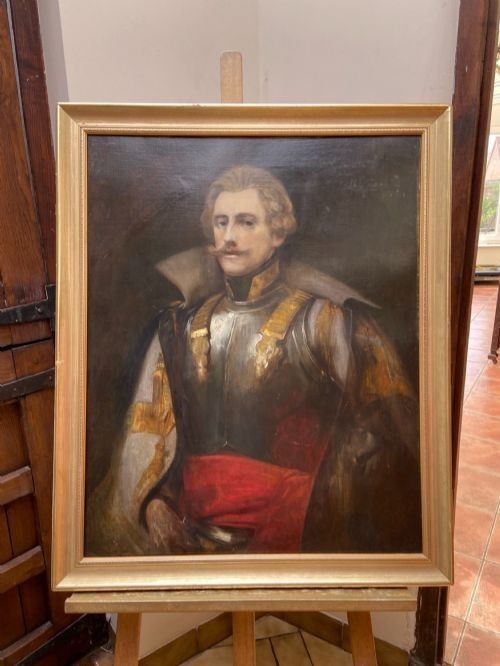
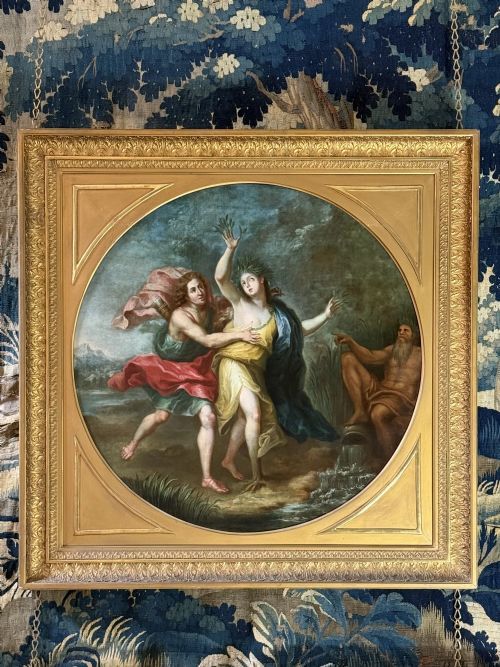
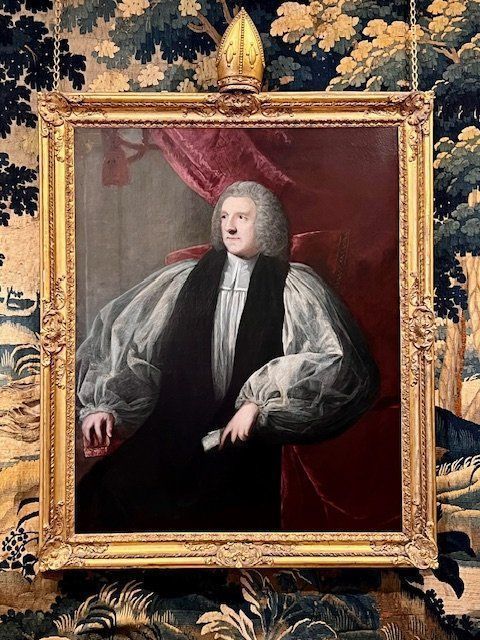

Gold Gilt Frame Artwork
Gold gilt frame artwork brings together centuries of painted canvases and paper drawings set inside luminous metallic borders.
Gold Gilt Frame Artwork
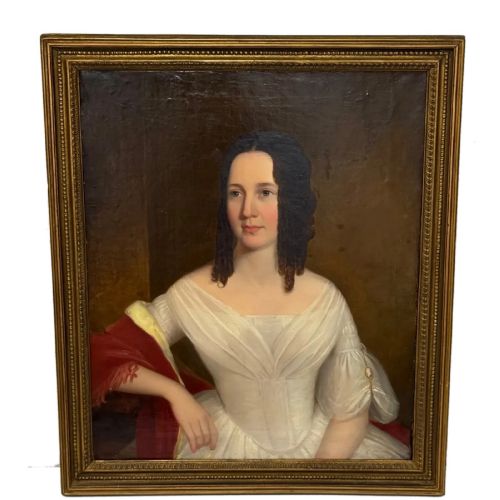
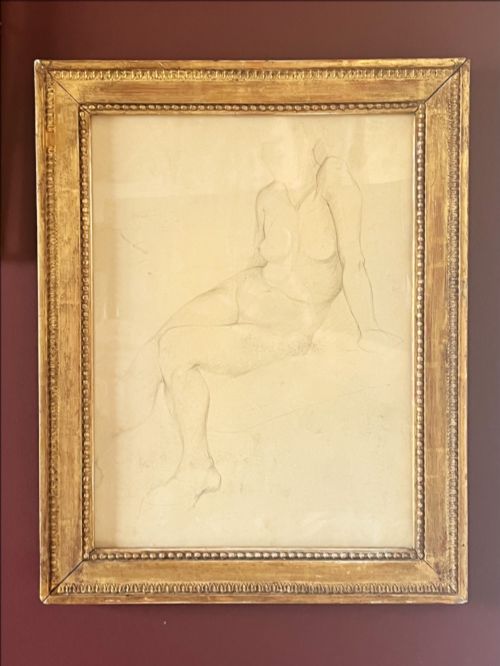
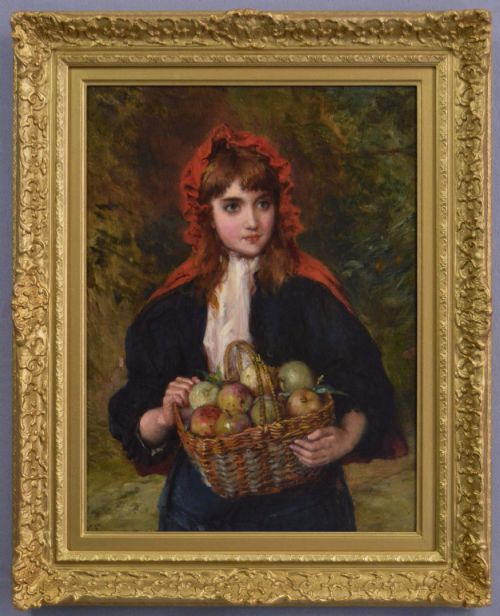
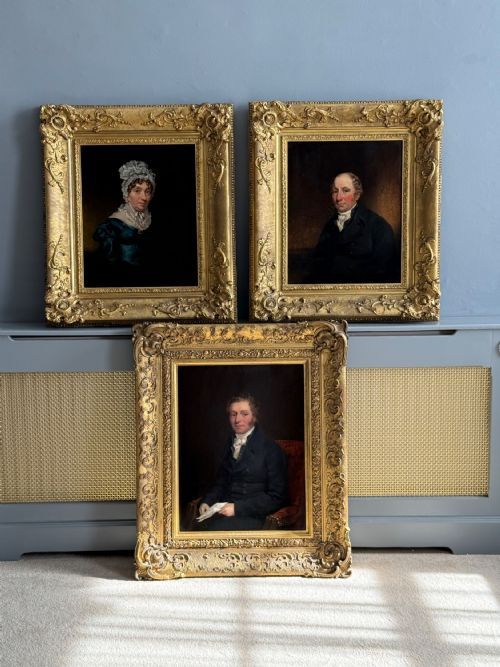
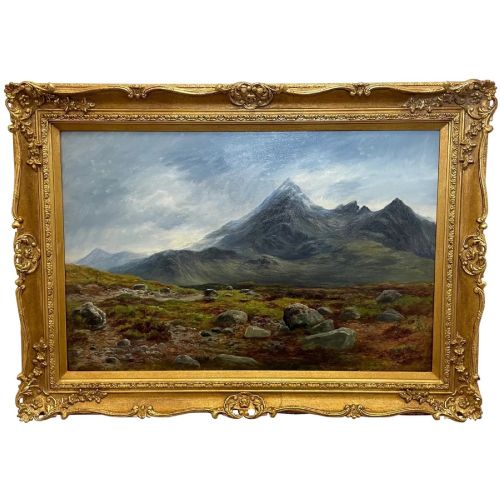
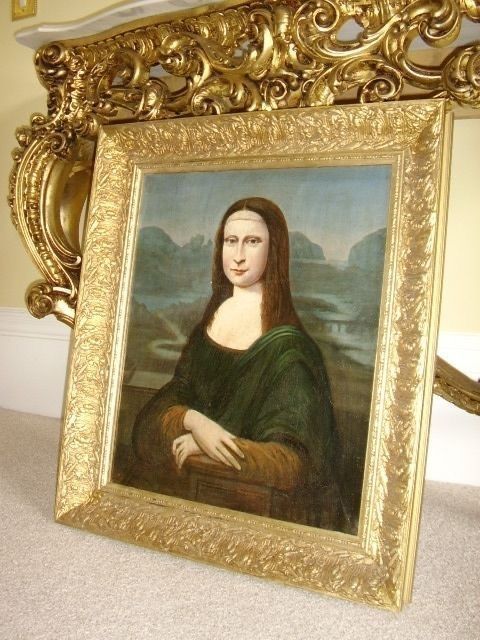
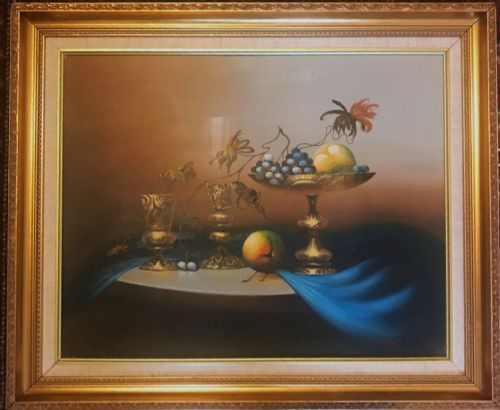
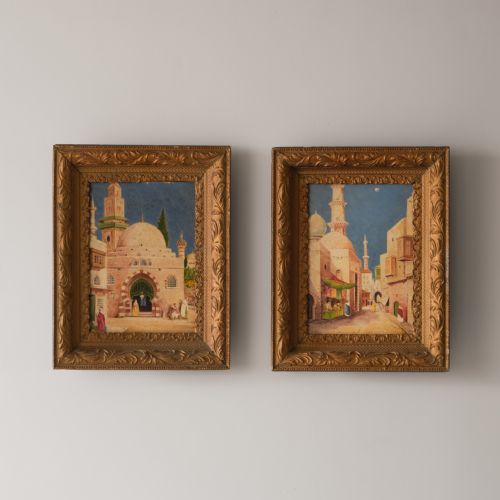
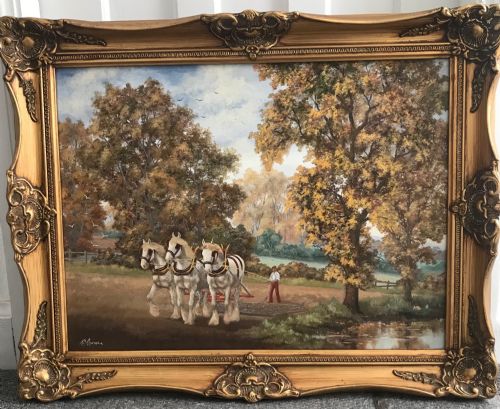
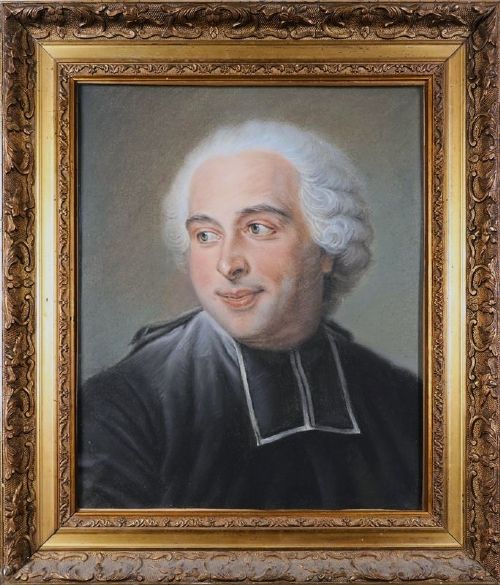
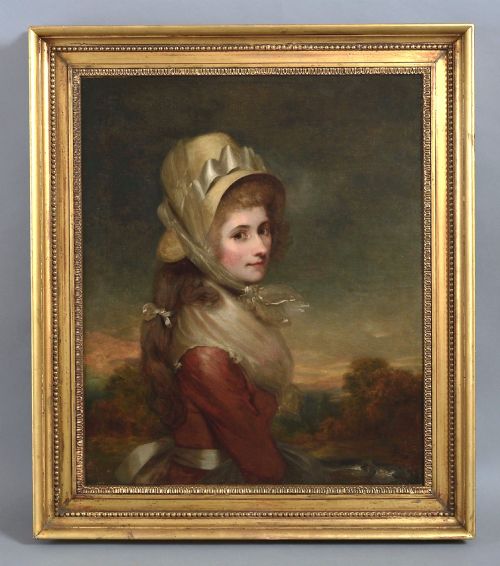
Gold gilt frame artwork comprises paintings, watercolours, pastels and engravings housed within ornate wooden surrounds. The selection spans the eighteenth, nineteenth and twentieth centuries, offering both grand portraiture and intimate landscapes.
Buyers encounter oil paintings on canvas or panel alongside delicate pastel portraits and paper engravings. Many works bear the distinct visual weight of Victorian, Regency and Georgian periods.
The objects vary from monumental military portraits and classical mythological scenes to naïve depictions and peaceful country views. Each piece relies on its gilded surround to define its boundary and catch the ambient light.
How they were made
The physical objects combine stretched canvas or wooden panels with oil paint, paper and glass. Artisans carved wooden mouldings to form the surrounds, applying thin layers of gold leaf over preparation layers.
Painters utilised oil on canvas or panel, watercolour, and pastel to build their imagery, employing techniques ranging from academic realism to post-impressionist brushwork.
Materials recorded across the inventory include oil paint, canvas, wood, giltwood, paper, and glass.
What varies in quality
The skill of the hand dictates the artistic merit, separating confident portraiture and expressive landscapes from rigid or formulaic workshop copies. The depth and integrity of the original giltwood moulding reveal the care invested in the framing process.
Condition plays a central role, distinguishing works with intact surfaces and original frames from those bearing heavy later restoration or significant losses to the metallic leaf.
Charles Antoine Coypel·Sir Joshua Reynolds·Jean Baptiste Van Loo·Joseph Clover·William Beattie Brown·Jozsef Molnar·Maurice Quentin de la Tour·Sir Martin Archer Shee·Felix Stone Moscheles·Jean Mariette·Georges de La Tour·Emily Eyres·Sir Peter Lely·William Howard Hardy·Arthur Wardle·Jeremiah Davison·Francois Boucher·John Horace Hooper·William McAlpine·Edward Bradford·A Mitchell·Reginald Arthur Borstel·William Joseph Shayer Senior
The Gold Gilt Frame Artwork Glossary
- Giltwood
- Wood carved and covered with a thin layer of gold leaf or metal powder. This material forms the characteristic bright border of the artwork.
- Oil on canvas
- Pigment mixed with drying oil applied to a woven fabric support. This medium allows for rich colour blending and durability.
- Pastel
- A medium consisting of powdered pigment and a binder rolled into a stick. It creates a soft, matte surface requiring protection under glass.
- Provenance
- The documented history of ownership of an artwork. It establishes authenticity and traces the journey of the piece through time.
- Academic realism
- A style of painting and sculpture produced under the influence of European academies of art. It prioritises precise draughtsmanship and accurate observation.
Gold Gilt Frame Artwork: Frequently Asked Questions
What periods do these artworks come from?
The selection spans multiple centuries, with pieces originating from the seventeenth, eighteenth, nineteenth and twentieth centuries. Each era brings distinct stylistic approaches to portraiture and landscape painting.
Buyers find works representing Georgian, Regency, Victorian and later aesthetic movements within the same category.
How should I hang a gilt frame artwork?
These heavier framed pieces require secure wall fixings suited to the weight of solid wood and plaster mouldings. Placing them away from direct sunlight protects both the paint surface and the delicate metallic leaf.
Allowing adequate wall space lets the reflective quality of the gold border catch the room's natural light.
What is the difference between oil and pastel?
Oil paintings utilise pigment bound in drying oil on canvas or panel, offering a resilient surface that tolerates open display. Pastels consist of compressed powdered pigment on paper and require glass protection to prevent the chalky medium from smudging.
Both formats achieve distinct textures and depth when housed behind a gilded border.