

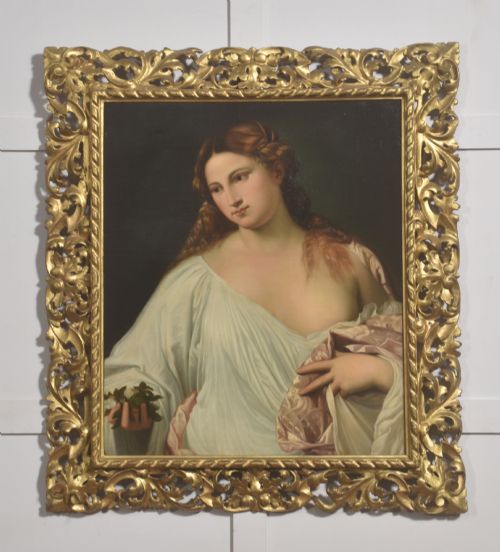
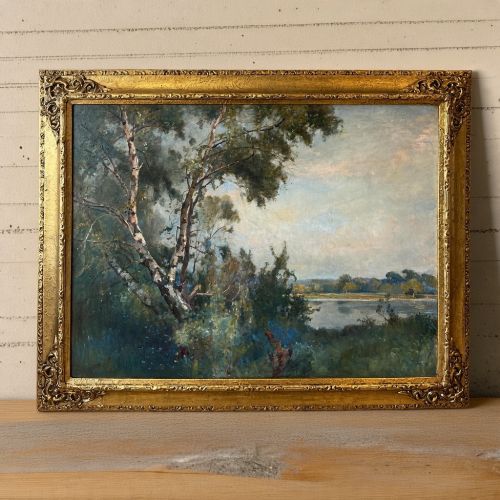
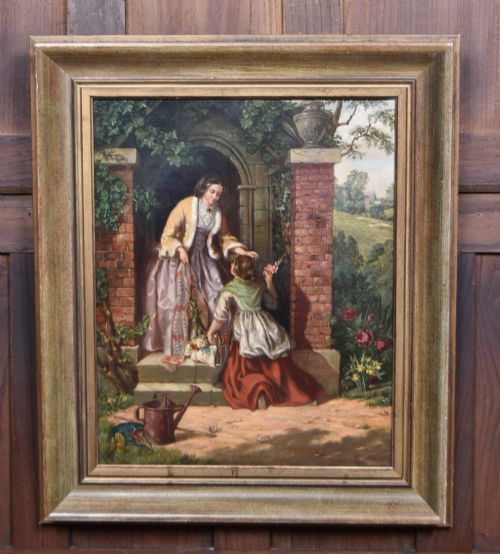
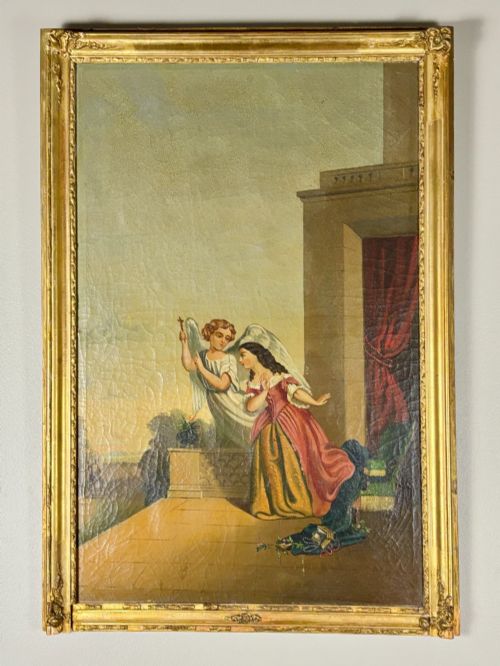

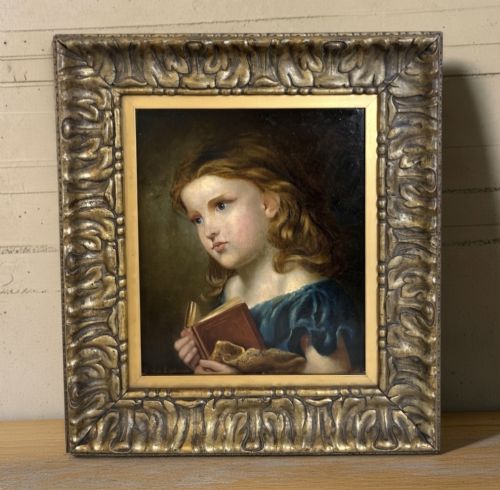
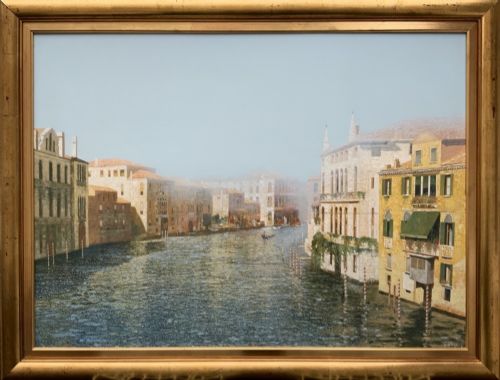
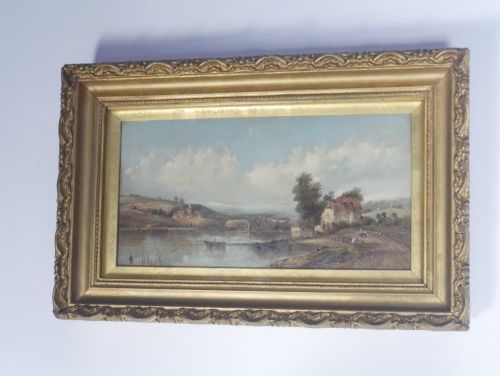
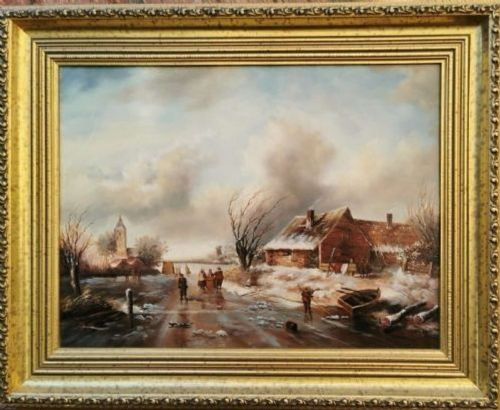
Classic Framed Canvas
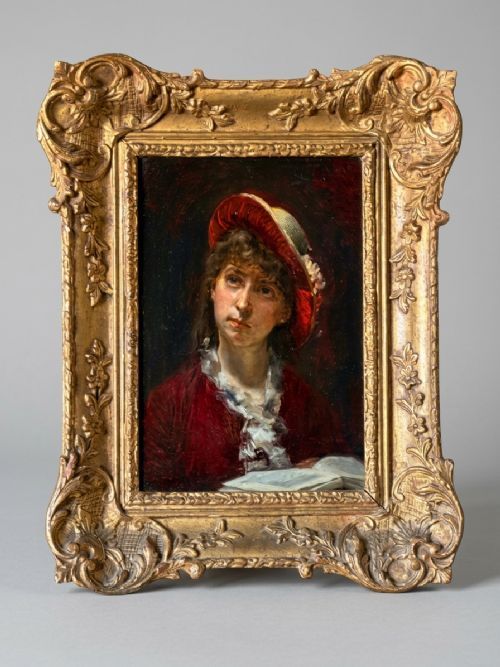
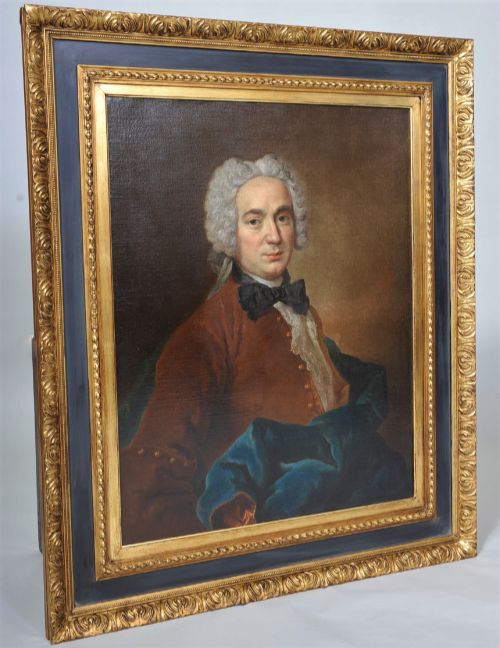
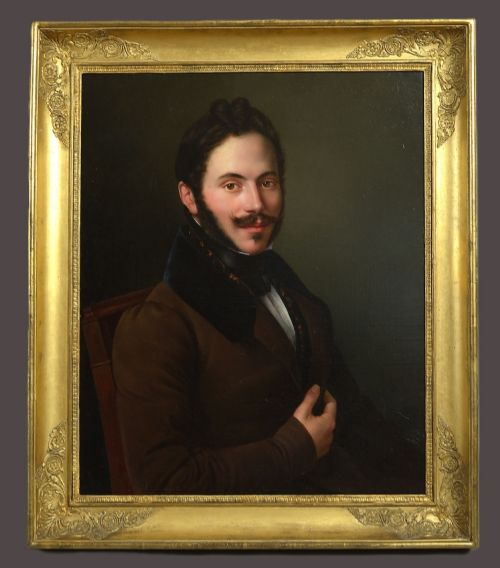
When you search for classic framed canvas, you discover historic oil paintings held within traditional wooden and gilded surrounds.
Classic Framed Canvas
A classic framed canvas brings together centuries of painted artistry and period framing, ranging from seventeenth-century portraiture to twentieth-century landscapes. When searching this phrase, buyers encounter original oil paintings executed on woven fabric supports, preserved inside ornate or simple surrounds.
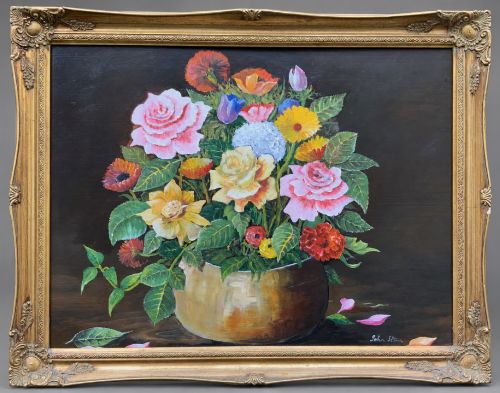
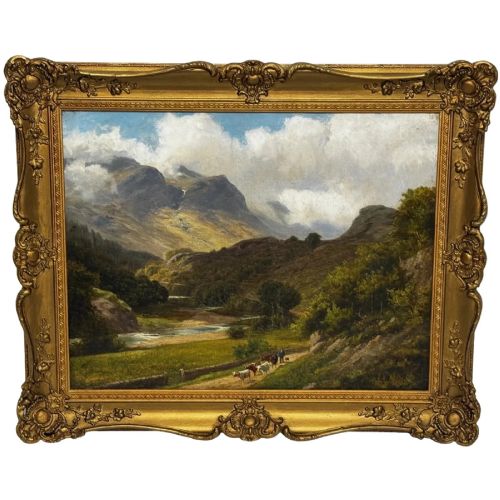
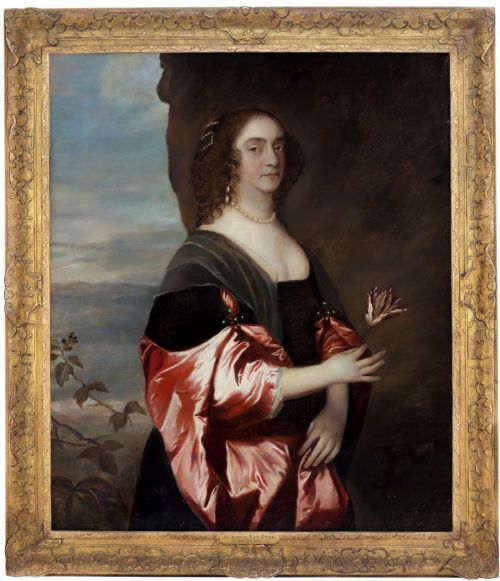
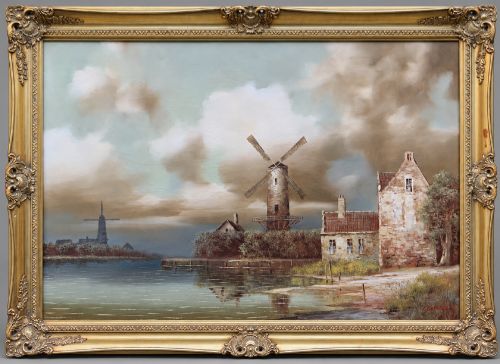
The selection on this page leans heavily toward portraits and landscape views created across the seventeenth, eighteenth, nineteenth, and twentieth centuries. These artworks vary from formal depictions of historic figures to intimate rural scenes and still lifes.
Works originate from various British and European schools, reflecting the stylistic shifts of periods such as the Dutch Golden Age, Victorian realism, and early twentieth-century modernism. Each piece combines the character of the painted surface with the distinct carpentry of its period housing.
How they were made
Makers built these objects using oil paint applied to stretched canvas supports, mounted onto rigid wooden stretchers to maintain tension. Painters layered pigments bound in oil to achieve depth, luminosity, and rich texture across subjects ranging from human faces to expansive skies.
The surrounding frames employ timber foundations finished with carved gesso and applied leaf metal, often in gold or giltwood. Artisans shaped these mouldings by hand, creating complex profiles designed to complement the visual weight of the central artwork.
Classic Framed Canvas Retail Price Guide 2026
Typical asking prices for classic framed canvas among the pieces listed under this phrase on Sellingantiques today, from the lower quarter to the upper quarter. They describe what is for sale here now, not the wider market.
Materials recorded across the inventory include oil paint, canvas, wood, giltwood, and gesso.
What varies in quality
Quality rests primarily in the execution of the painted brushwork and the anatomical or spatial accuracy achieved by the artist. Master works display confident handling of light, shadow, and detail, whereas lesser pieces reveal stiffness or simplified forms.
Charles Jervas·Sir Peter Lely·Thomas Murray·Constantyn Netscher·Benjamin Barker of Bath·Edouard Pingret·Jean Baptiste Van Loo·Francis Moltino·Edward Ladell
The Classic Framed Canvas Glossary
- Canvas
- A heavy woven fabric, usually linen or cotton, stretched tightly across a wooden frame to serve as the foundation for oil painting.
- Giltwood
- Timber that has been coated with a thin layer of gold leaf or gold paint, frequently utilised in ornate decorative framing.
- Gesso
- A plaster-like mixture applied to wooden frames as a smooth base before gilding or painting.
- Stretcher
- The internal wooden framework that holds a painted canvas taut and prevents sagging over time.
Classic Framed Canvas: Frequently Asked Questions
How do I care for an oil painting on canvas?
Keep the artwork away from direct sunlight and fluctuating temperatures to prevent the canvas from slackening and the paint from cracking. Dust the surface and the surrounding frame gently with a dry, soft brush.
Avoid using water or chemical cleaners on either the painted surface or the gilt timber. Professional conservators should handle any deeper cleaning or structural repairs.
What subjects are most common?
Portraits of gentlemen and ladies form a substantial portion of the earlier periods, often depicting named historical figures or local gentry. Landscapes, still lifes with fruit, and architectural views become more prevalent in nineteenth and twentieth-century works.
These varied subjects reflect the changing domestic tastes of buyers across different historic eras.
How can I tell the age of the canvas?
Inspect the rear of the support for the type of weave, the presence of handmade wedges in the stretcher corners, and old labels or inscriptions. Older linen canvases often show oxidation and a tight, irregular weave compared to modern synthetic materials.
The style of the painting and the construction methods of the frame offer further clues to the period of creation.