





Classic Floor Rug
A classic floor rug brings structured Persian and Anatolian artistry into a room through enduring traditional motifs.
Classic Floor Rug
A classic floor rug encompasses hand-knotted carpets and room-sized floor coverings originating from Persia, Turkey, and Central Asia. These textiles serve as grounding decorative elements that define the spatial layout of a room with historic patterns.
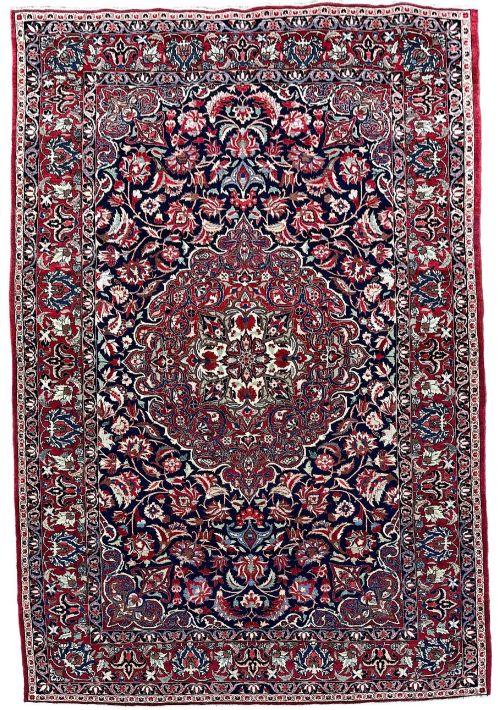
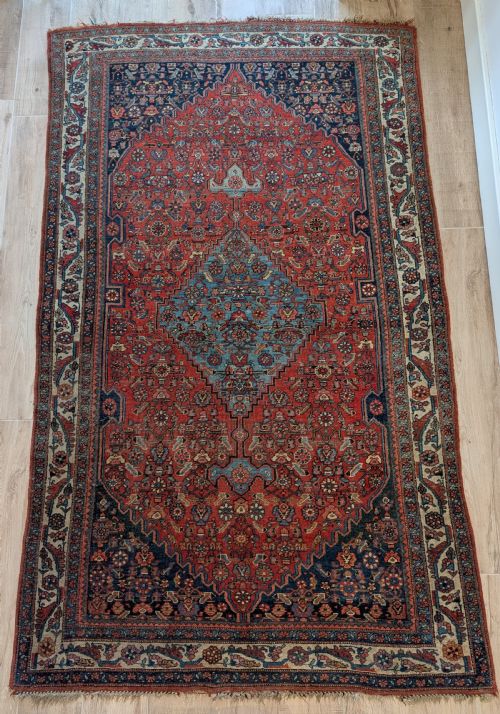
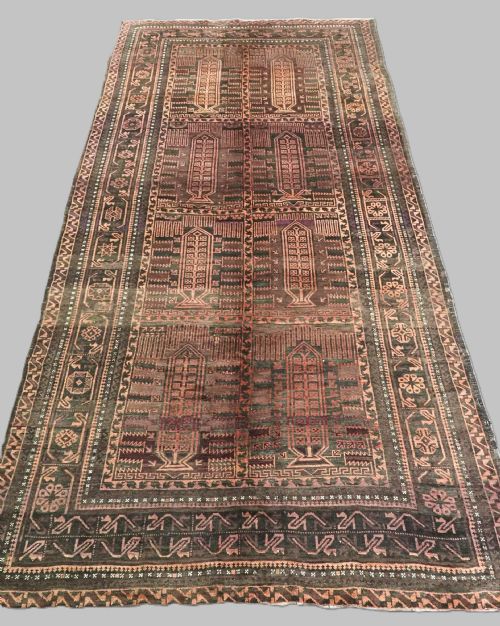
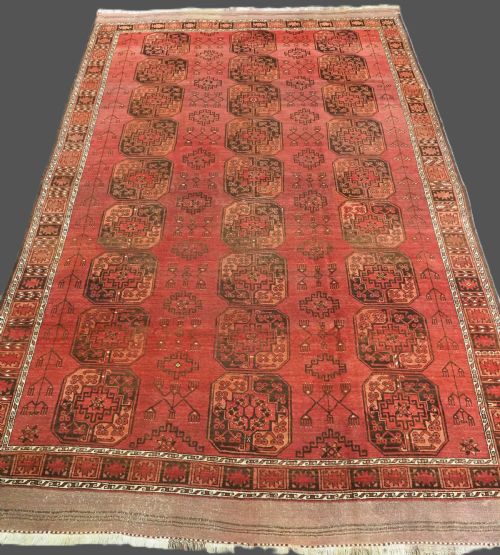
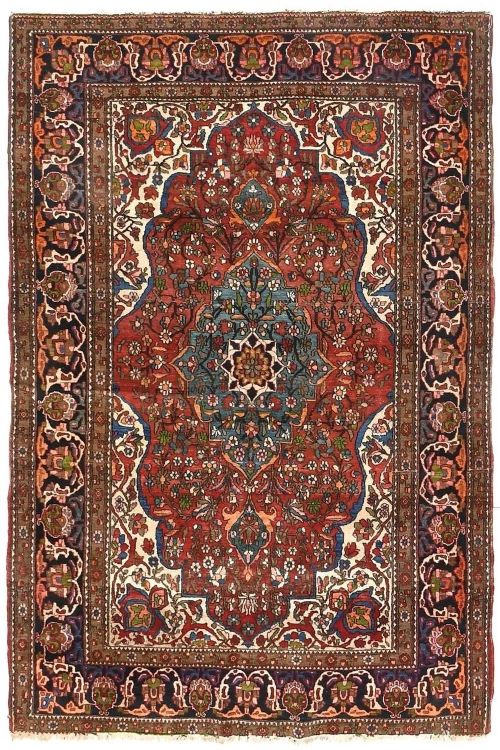
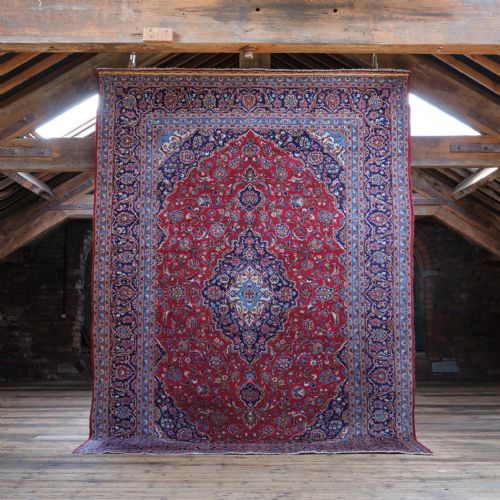
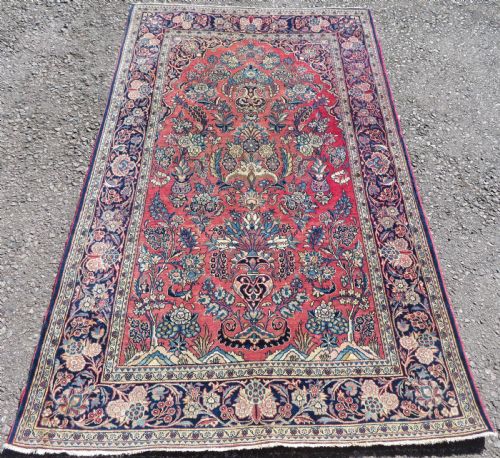
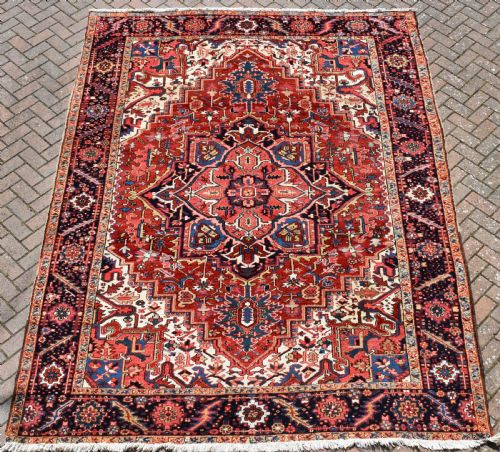
The selections available here lean heavily into Persian Heriz, Isfahan, Kashan, and Mahal styles alongside Turkmen tribal main carpets. Buyers frequently encounter room-sized carpets and smaller area rugs bearing traditional medallion or floral layouts.
The operational dates for these floor coverings span from the late nineteenth century through to the mid-twentieth century. Pieces from this era carry the weight of established regional weaving traditions rather than modern commercial production.
How they were made
Makers utilised wool and cotton as the primary structural foundations for these floor coverings, employing cotton for sturdy warps and wefts while selecting wool for the tactile pile. Goat hair occasionally appears in specific tribal contexts to reinforce selvedges and provide structural rigidity.
Natural dyes infused the wool with complex palettes that developed subtle patination over decades of light and use. Artisans bound the yarn using hand-knotted techniques, securing each individual knot around vertical warps to build dense, durable floor rugs.
Classic Floor Rug Retail Price Guide 2026
Typical asking prices for classic floor rug among the pieces listed under this phrase on Sellingantiques today, from the lower quarter to the upper quarter. They describe what is for sale here now, not the wider market.
Listings span from the eighteen-eighties to nineteen-forty, featuring wool, cotton, natural dyes, and goat hair across Persian and Anatolian styles.
What varies in quality
Knot density dictates the clarity of the design and the resilience of the pile under foot traffic. Higher knot counts permit intricate curvilinear drawing in city carpets, whereas coarser tribal weaves rely on bold geometric impact.
The integrity of the natural dyes and the consistency of the wool spinning separate ordinary utility weaves from exceptional artistic achievements. Superior examples retain rich colour saturation and precise symmetry across the field.
The Classic Floor Rug Glossary
- Medallion
- A central ornamental motif set within the field of a carpet. This symmetrical design element anchors the geometric layout of many Persian styles.
- Warp
- The stationary vertical threads stretched upon the loom before weaving commences. The pile knots are tied directly around these foundation lines.
- Weft
- The horizontal threads passed across the warps after each row of knots is completed. They bind the structure together firmly from side to side.
- Pile
- The vertical or slanted wool surface formed by the ends of the knots. This tactile layer absorbs footfall and displays the woven imagery.
- Selvedge
- The reinforced outer edge of a rug running parallel to the warp threads. It prevents the sides from fraying and defines the lateral boundary.
Classic Floor Rug: Frequently Asked Questions
How do I clean an old wool rug?
Vacuum gently using a suction-only attachment without a rotating brush bar to protect the delicate wool pile from unnecessary friction.
Professional immersion washing remains the safest method for deep maintenance, as traditional rugs require controlled drying to prevent structural distortion.
Can I place these rugs in heavy traffic areas?
Wool and cotton construction provides high durability for living rooms and hallways when supported by a quality underlay.
Placing a breathable pad underneath reduces friction between the rug and the floorboards, extending the working life of the fibres.
How do I distinguish Heriz from Kashan carpets?
Heriz rugs display bold geometric medallions with angular corners and robust tribal influences originating from northwest Persia.
Kashan carpets present refined curvilinear floral scrolls, central floral bouquets, and dense urban designs woven with very fine knot counts.
What does tribal design mean in these carpets?
Tribal designs reflect nomadic or village weaving traditions where makers relied on memory and generational motifs rather than professional cartoon blueprints.
These patterns often feature spontaneous geometric symbols, stylized animals, and elemental motifs distinct from urban workshop output.