






Classic Extending Table
A classic extending table is the centrepiece of a traditional dining room, designed to seat large numbers with flexible leaves and pillars.

Classic Extending Table
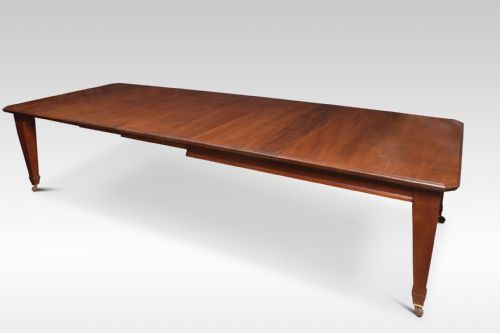
A classic extending table provides a sturdy surface for family meals and gatherings, featuring clever mechanisms to lengthen the top when guests arrive. Buyers exploring a classic extending table will frequently encounter nineteenth-century examples alongside earlier Georgian and Regency designs, as well as later twentieth-century interpretations.
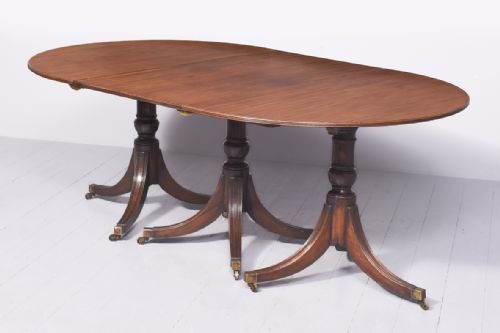
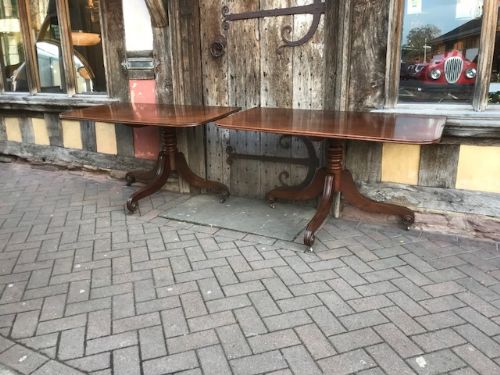
The predominant form across these listings is the mahogany dining table supported by twin or triple pillars, often accompanied by drop-leaf and D-end configurations. These pieces range from substantial sixteen-seater banquet sizes down to more modest domestic proportions in walnut, burr maple, and elm.
Makers and designers of the period, such as Gillows of Lancaster, influenced the clean architectural lines and drop-leaf ingenuity seen in many surviving tables. Whether configured as a George III style pedestal table or an Art Deco suite in burr maple, each object balances daily utility with formal presence.
How they were made
Cabinet makers constructed these tables primarily from solid mahogany and walnut, selecting figured timbers for the main top boards to display deep natural grain patterns. Supporting structures relied on heavy timber pillars, frequently fitted with brass castors to allow smooth movement across parquet or carpeted floors.
Drop-leaf mechanisms and removable centre leaves allowed owners to alter the table length easily, secured by brass clips or wooden pegs beneath the aprons. Surface finishes were built up through repeated hand-polishing with wax or oil, protecting the wood while highlighting the natural colour of the timber.
Listings span periods from Georgian and Regency eras through the nineteenth century into 1940 Art Deco designs.
What varies in quality
Quality in these tables rests on the selection of timber, particularly the choice of figured mahogany or burr maple for the top boards and the solidity of the underlying pedestals. Superior examples display precise joinery in the extending mechanisms and well-matched grain patterns across the additional leaves.
The presence of recognizable workshop influences, such as the Gillows style, elevates a piece through refined carving on the pillar bases and superior brass hardware. Lesser examples rely on simpler construction methods and plainer timbers, though they retain the practical utility required for daily dining.
Gillow's of Lancaster
The Classic Extending Table Glossary
- D-End
- A table end shaped in the form of a capital letter D, often used in sets where multiple sections join together. These ends can stand alone against a wall or lock into the main extending frame.
- Drop-leaf
- A table design featuring hinged flaps on either side that fold down when not in use to save space. Support brackets swing out from the frame to hold the leaves level.
- Pedestal
- A central upright support, often branched into three or four legs at the base, used instead of traditional corner legs. This design allows diners more legroom around the perimeter of the table.
- Burr Maple
- A specialised timber harvested from maple tree growths, prized for its swirling, mottled grain patterns. It was frequently utilised for decorative veneer work on high-end twentieth-century furniture.
Classic Extending Table: Frequently Asked Questions
How do these tables extend?
These tables typically extend using a central pillar mechanism where the halves pull apart on runners to accept one or more removable wooden leaves. Some older designs use drop-leaf flaps supported by swinging wooden brackets.
Additional leaves are stored separately when not in use and slotted into the middle to lengthen the surface for larger dinner parties.
What woods were used?
Mahogany is the dominant timber across most nineteenth-century and Georgian pieces, chosen for its strength and rich, dark grain. Walnut and burr maple appear in later nineteenth and twentieth-century examples.
Occasionally, country pieces incorporate fruitwood or elm for a more rustic appearance.
How do I seat more guests?
To accommodate more people, you pull the table ends apart to expose the central gap and drop in the matching extension leaves. Securing clips underneath keep the top boards aligned and level.
Pillar tables distribute weight evenly, ensuring guests have ample legroom without corner legs obstructing chairs.
Are these tables sturdy?
Solid hardwood construction and heavy central pillars give these tables remarkable stability, even when fully extended to maximum length. Brass castors on the feet help distribute weight and make moving the heavy furniture easier.
Quality joinery in the runners and leaf joints ensures the extended surface remains flat and secure during use.