



Classic Equestrian Art
Classic equestrian art brings together centuries of sporting heritage, capturing horses and hounds in oils and engravings that define traditional country life.
Classic Equestrian Art
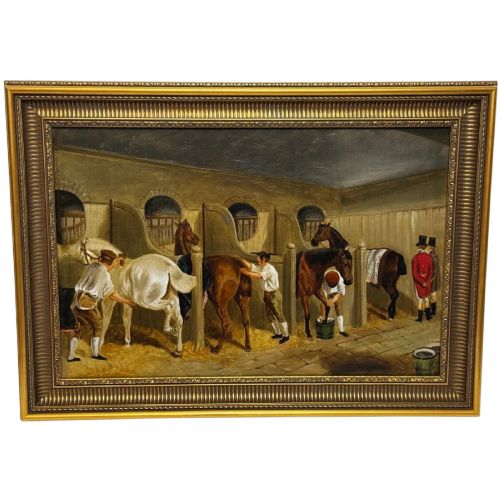
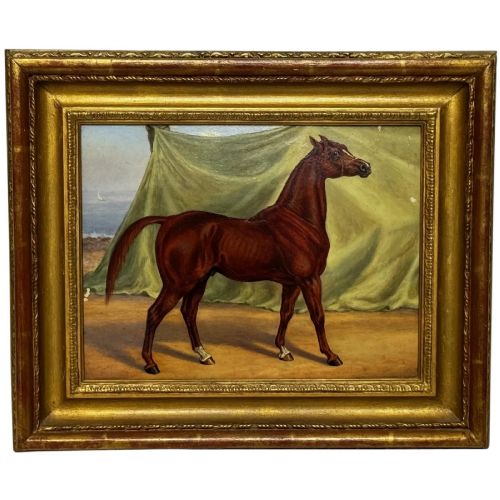
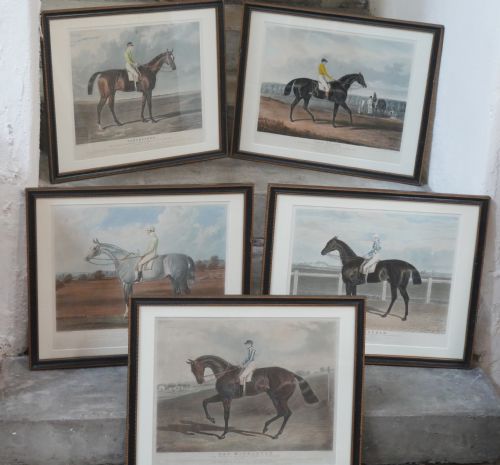
Classic equestrian art encompasses framed prints, engravings, and oil paintings focused on horses, racing, hunting, and sporting landscapes. These works span several centuries, with pieces originating from the seventeenth, eighteenth, and nineteenth periods.
The most common examples on this page are nineteenth-century oil paintings and period engravings. Buyers encounter framed prints alongside detailed oil on canvas portraits of horses and racing scenes.
Origins range across English country schools, Flemish baroque landscapes, and nineteenth-century colonial or Spanish works. Subjects vary from individual horse portraits to extensive hunting and racing depictions.
How they were made
Painters applied oil paint to canvas, capturing subjects such as racehorses, landscapes, and animals in combat. Engravings and prints utilised paper, often framed in giltwood or gilt wood surrounds.
Makers incorporated wood, glass, and plaster elements into the framing and support of these artworks. The physical construction combines traditional canvas stretching with detailed printmaking techniques.
Classic Equestrian Art Retail Price Guide 2026
Typical asking prices for classic equestrian art among the pieces listed under this phrase on Sellingantiques today, from the lower quarter to the upper quarter. They describe what is for sale here now, not the wider market.
Listings feature works spanning the 17th Century, 18th Century, and 19th Century, utilising oil paint, paper, wood, and giltwood.
What varies in quality
Quality depends upon the precision of the brushwork in oil paintings and the clarity of line in engravings and prints. Works by named painters exhibit distinct mastery in animal anatomy and landscape perspective.
The preservation of the canvas, paper, and original framing contributes significantly to the standing of each piece. Finer examples maintain the integrity of their oil paint and giltwood mounts without heavy restoration.
Pieter Bout·Adriaen Frans Boudewyns·Clifton Tomson·C de Falens·Snaffles·J F Herring
The Classic Equestrian Art Glossary
- Oil on Canvas
- A painting medium where pigments are bound with drying oils and applied to a stretched fabric surface. This technique allows for rich blending of colour and deep tonal variation.
- Engraving
- A printmaking process where an image is incised into a metal plate, which then holds ink for transfer to paper. These works offer fine linear detail and precise reproduction.
- Giltwood
- Wood that has been treated with a thin layer of gold leaf or gilt paint. It is commonly found on traditional frames enclosing historical paintings and prints.
- Flemish Baroque
- An artistic style originating in Flanders during the seventeenth century, characterised by dramatic movement and rich detail. Works in this style often feature expansive landscapes with sportsmen.
Classic Equestrian Art: Frequently Asked Questions
What is classic equestrian art?
Classic equestrian art comprises historical paintings, prints, and engravings centred on horses, racing, and hunting scenes. These works reflect the sporting traditions of various European and colonial periods.
Subjects range from specific racehorse portraits to broad landscape hunting views created in oil or on paper.
How do I date an oil painting?
Dating an oil painting involves examining the style, the canvas preparation, and the materials used in the frame. Nineteenth-century works often display specific technical characteristics distinct from seventeenth or eighteenth-century pieces.
Artist signatures, subject attire, and historical records also help determine the era of creation.
Where should I hang a framed print?
Framed prints require placement away from direct sunlight and excessive moisture to protect the paper and giltwood frame. Wall spaces in studies, hallways, or living rooms suit traditional sporting imagery best.
Ensuring stable room temperatures preserves both the print and its surrounding mount.
What subjects are common in these paintings?
Common subjects include racehorses with jockeys, hunting scenes with hounds, and detailed portraits of purebred horses. Landscapes featuring sportsmen and cattle also appear frequently.
These themes reflect the importance of horses and field sports in historical culture.