





Classic Drop Leaf
These classic drop leaf examples are versatile folding tables and light fittings spanning Georgian to Edwardian periods, prized for their adaptable surfaces and period charm.
Classic Drop Leaf
A classic drop leaf table or fitting serves a practical purpose while bringing traditional craftsmanship into a room. When searching for this phrase, a buyer encounters flexible furniture forms alongside decorative lighting fixtures.
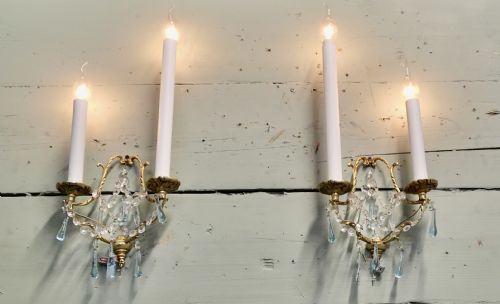
Beyond tables, the listings include wall sconces and chandeliers from later periods like the 1930s. These pieces range from compact tea caddy tables to large extending dining tables suitable for multiple settings.
Materials and construction methods
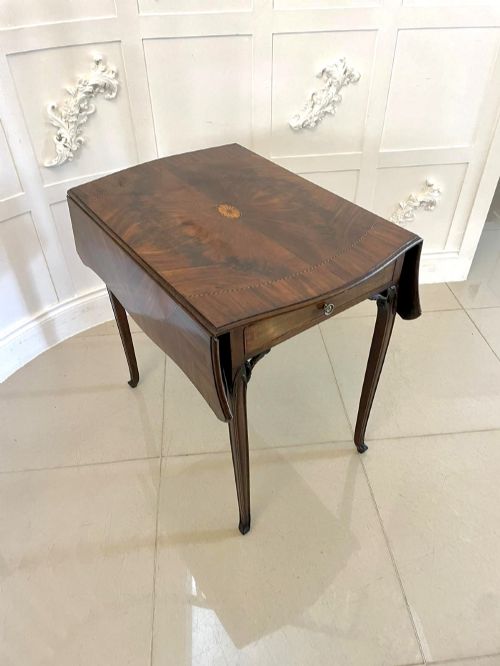
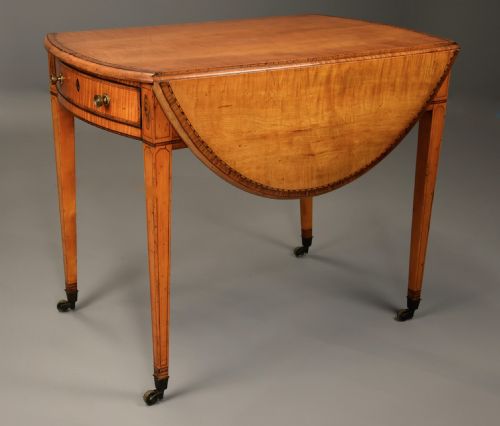
Cabinet makers utilised dense hardwoods such as mahogany and rosewood, often enhancing surfaces with satinwood or sycamore crossbanding. Inlaid details demonstrate precise woodworking techniques passed down through generations.
Metal components such as brass fittings and gilt brass support the folding mechanisms and lighting structures. Cut glass and crystal elements appear on chandeliers to refract light effectively.
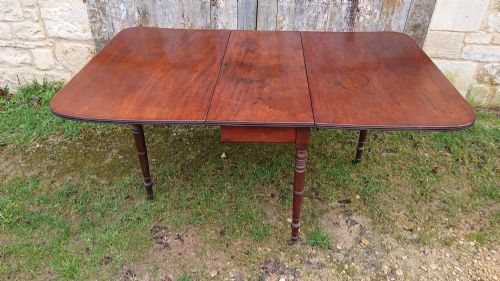
Tables rely on sturdy hinges and drop-leaf supports that allow the surface area to expand or contract. Joinery techniques ensure stability whether the leaves are raised or lowered.
Classic Drop Leaf Retail Price Guide 2026
Typical asking prices for classic drop leaf among the pieces listed under this phrase on Sellingantiques today, from the lower quarter to the upper quarter. They describe what is for sale here now, not the wider market.
Listings span Georgian, Regency, Edwardian, and 1930s periods, featuring woods like mahogany, rosewood, and satinwood.
Evaluating craftsmanship and materials
Quality rests upon the selection of timber and the execution of decorative inlays. Fiddleback sycamore or finely figured mahogany with a rich patina distinguishes superior examples from simpler utilitarian items.
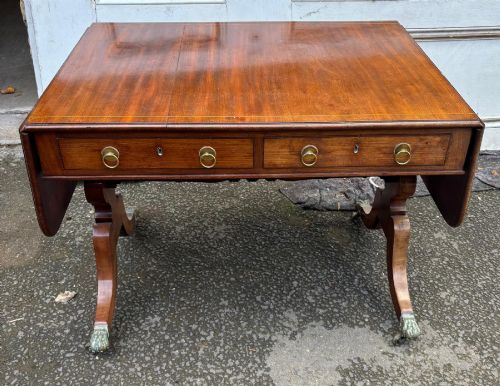
The refinement of the hardware, including brass castors and drop-leaf hinges, indicates the original tier of production. Subtle details like crossbanding and balanced proportions elevate a piece from standard to high craftsmanship.
James Mein, Kelso
The Classic Drop Leaf Glossary
- Pembroke table
- A small form of table featuring two hinged leaves on either side, often fitted with a single drawer.
- Crossbanding
- A strip of veneer applied to the edges of a table top running perpendicular to the grain of the central panel.
- Sofa table
- A rectangular occasional table historically placed in front of a sofa, typically featuring drop leaves and pedestal supports.
- Gateleg table
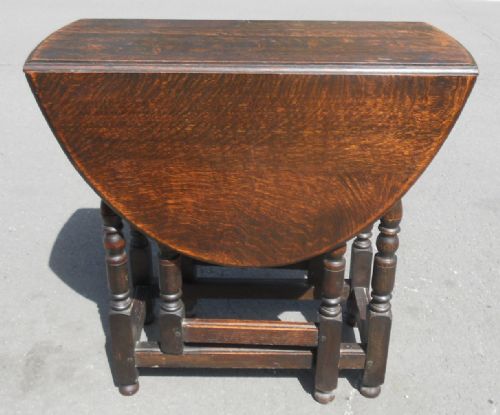
- A table with hinged legs that swing out like a gate to support the drop leaves when raised.
- Patina
- The deep surface sheen developed on antique wood through age, use, and polishing over many years.
Classic Drop Leaf: Frequently Asked Questions
How do drop leaf tables work?
Hinged flaps on the sides of the table lift up to expand the surface area when needed. Wooden brackets or swinging legs support the leaves.
Down positions allow the table to sit compactly against a wall, saving valuable floor space in smaller rooms.
Where were Pembroke tables placed?
These versatile tables sat primarily in parlours and drawing rooms for serving tea or writing letters. Their small footprint made them easy to move around the home.
Owners often positioned them beside seating areas or against walls until required for use.
How do I spot a Georgian table?
Georgian tables rely heavily on solid mahogany or finely figured veneers with restrained inlaid decoration. Proportions tend to remain elegant and structurally functional.
Hardware components like brass handles and hinges match the period style and manufacturing methods.
What is crossbanding?
Crossbanding involves applying a decorative border of veneer where the wood grain runs across the length of the band. Cabinet makers used this technique to frame table tops and drawer fronts.
This detail adds visual contrast and highlights the skill involved in the piece's construction.