



Classic Decorative Table
These classic decorative table objects range from brass oil lamps to gilt bronze clocks, bringing period character and functional light to an interior.
Classic Decorative Table
When searching for a classic decorative table piece, you encounter an array of lighting and timepieces spanning the nineteenth and twentieth centuries. These items serve both a practical function and a purely ornamental purpose within a room.
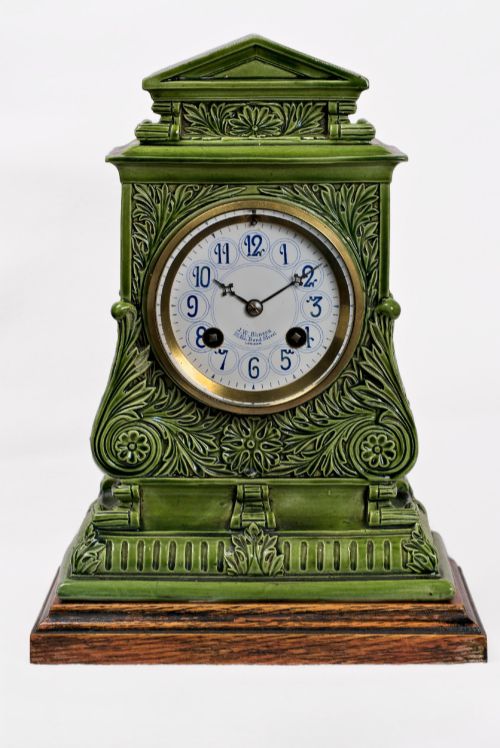
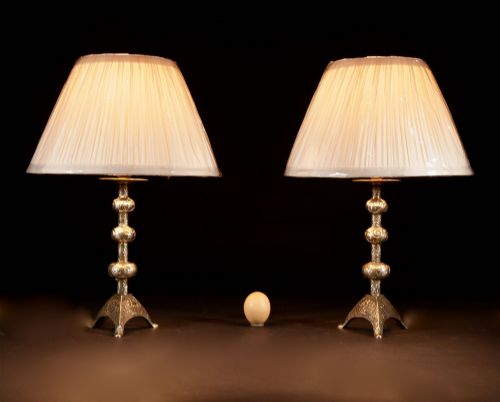
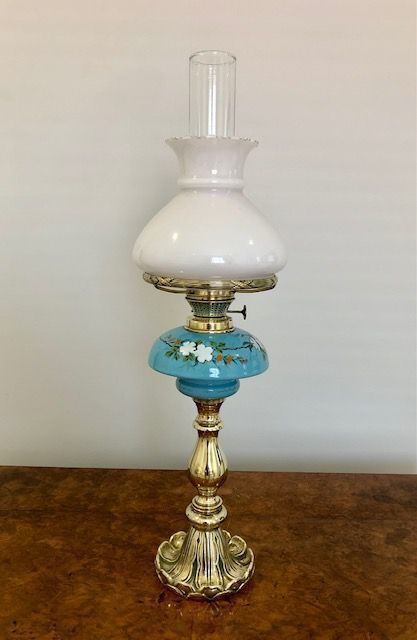
The pieces most frequently met on this page include brass table lamps, oil lamps converted to electricity, and gilt bronze mantel clocks. Styles draw heavily upon Victorian, Neoclassical, and Louis XVI traditions.
Origins span British and French workshops, utilising periods from the 1870s through to the 1950s. Each object reflects the prevailing decorative tastes of its decade of manufacture.
Materials and construction methods
Construction relies heavily upon cast brass, gilt bronze, and various metals shaped into candelabra, columns, and figural bases. Many items incorporate glass components such as opaline glass or cut crystal elements.
Classic Decorative Table Retail Price Guide 2026
Typical asking prices for classic decorative table among the pieces listed under this phrase on Sellingantiques today, from the lower quarter to the upper quarter. They describe what is for sale here now, not the wider market.
Some nineteenth-century French clocks have ticked faithfully through several owners, quietly keeping time while empires rose and fell.
Factors influencing quality
Quality separates through the crispness of the metal casting and the depth of the gilding or bronze patination. Finer examples display meticulous detailing in figural elements and secure joins between dissimilar materials like porcelain and brass.
The integrity of the original components, such as matching glass shades or authentic clock movements, distinguishes standard production from superior pieces. Heavier gauge metals and balanced proportions indicate higher manufacturing standards.
James Murray London
The Classic Decorative Table Glossary
- Ormolu
- Gilded bronze applied to decorative objects and clock cases. This technique was widely utilised in French manufacturing during the nineteenth century.
- Double fusee
- A mechanical clock movement utilising a conical pulley and chain to ensure even tension as the mainspring unwinds. It represents a higher standard of clockmaking.
- Opaline glass
- A type of semi-translucent glass popular in nineteenth-century decorative pieces. It often appears in soft pastel tones on ornamental lamps and ewers.
- Biscuit porcelain
- Unglazed porcelain that presents a smooth, matte finish resembling white marble. It is frequently seen on classical table lamps.
- Candelabra
- A branched candlestick designed to hold multiple candles or, in later adaptations, electric bulbs. Pairs of these often serve as decorative garnitures.
Classic Decorative Table: Frequently Asked Questions
What is a classic decorative table lamp?
These pieces are functional lighting fixtures or ornamental objects designed for placement on surfaces such as sideboards, desks, and mantelpieces. They incorporate materials like brass, bronze, and porcelain to add visual interest to a room.
Many started life as oil lamps or candlesticks before undergoing conversion to electricity during the twentieth century. Their designs draw upon historical revivals including the Gothic, Romanesque, and Louis XVI styles.
How do I date a brass table lamp?
Dating involves examining the manufacturing techniques, mounting methods, and the style of decoration applied to the metal. Heavier sand-cast brass elements and specific patination often point towards late nineteenth or early twentieth-century production.
Reference to periods like the Victorian era or specific decades helps narrow the age. Stylistic cues such as Neoclassical columns or Art Nouveau curves provide further chronological indicators.
Where should I place a gilt bronze clock?
These clocks suit prominent surfaces where their sculptural quality and mechanical movement can be appreciated, such as a mantelpiece or a large sideboard. They work well as central focal points within a traditional interior scheme.
Care should be taken to place them away from direct sunlight and damp environments to protect the gilt bronze and marble surfaces. Ensuring a stable, level surface is essential for the correct operation of mechanical clock movements.
How do I clean antique brass and bronze?
Maintenance requires gentle dusting with a soft, dry cloth to prevent the accumulation of dirt within the cast details. Avoid harsh chemical polishes that can strip away the historic patination accumulated over decades.
For glass or porcelain elements attached to the metal, a slightly damp cloth may be used carefully. Professional conservation advice should be sought if the surface requires deeper cleaning or restoration.