
Classic Canvas Art
Classic canvas art brings centuries of portraiture, landscape and still life into a room, offering genuine oil paint on stretched fabric from past eras.
Classic Canvas Art
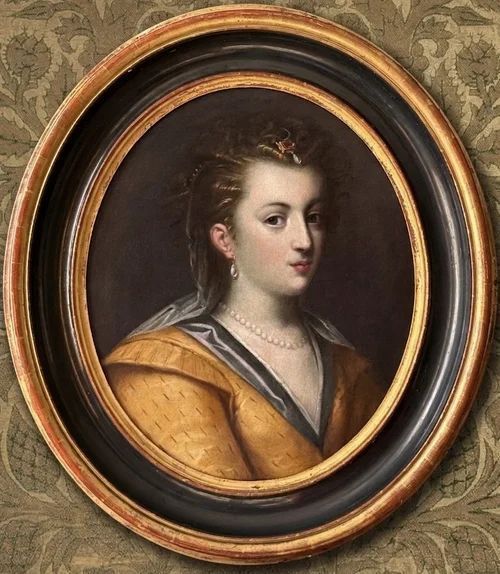
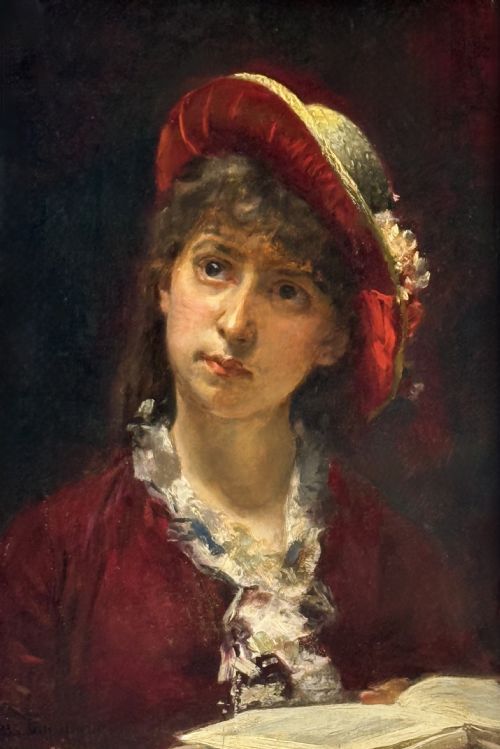
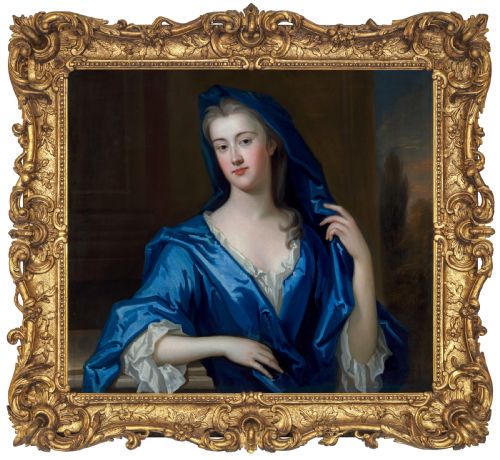
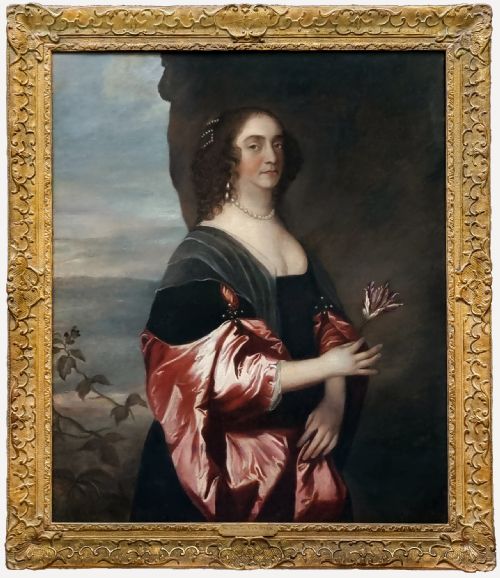
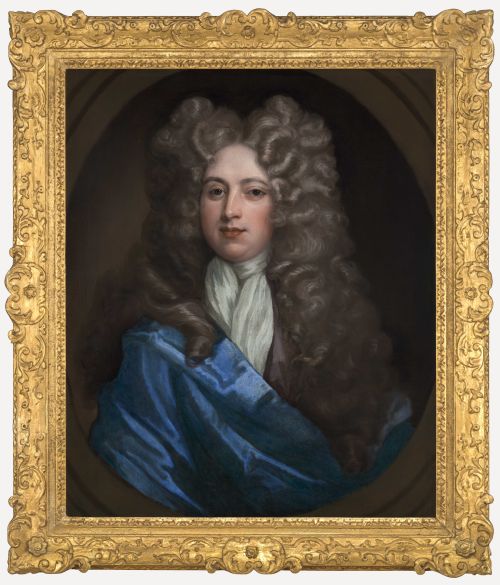
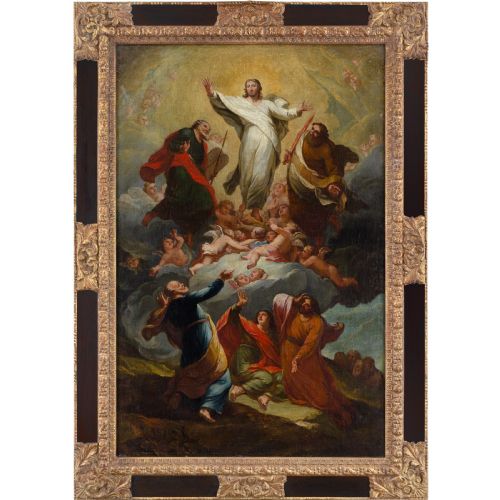
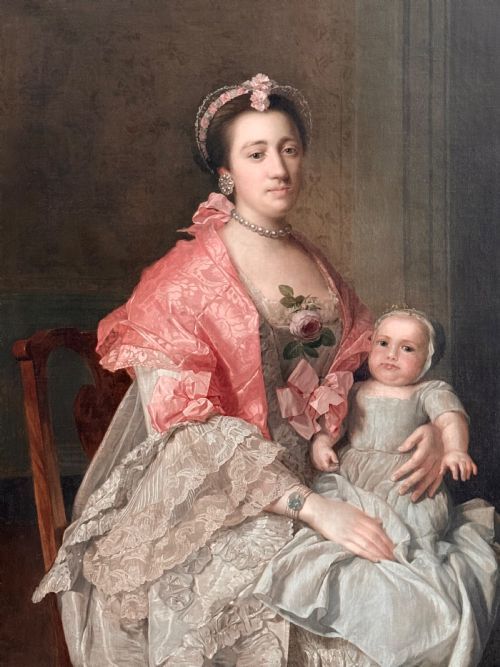
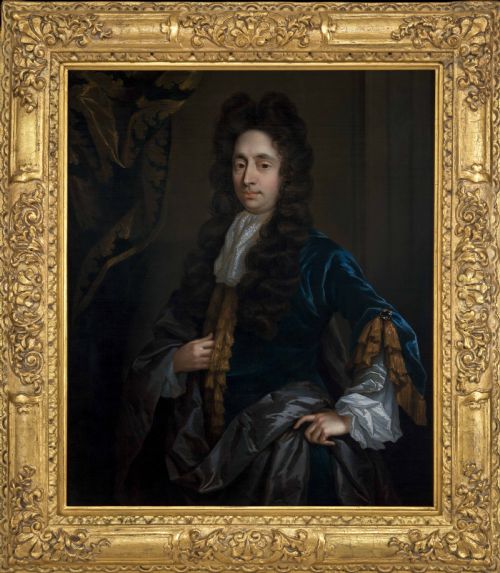
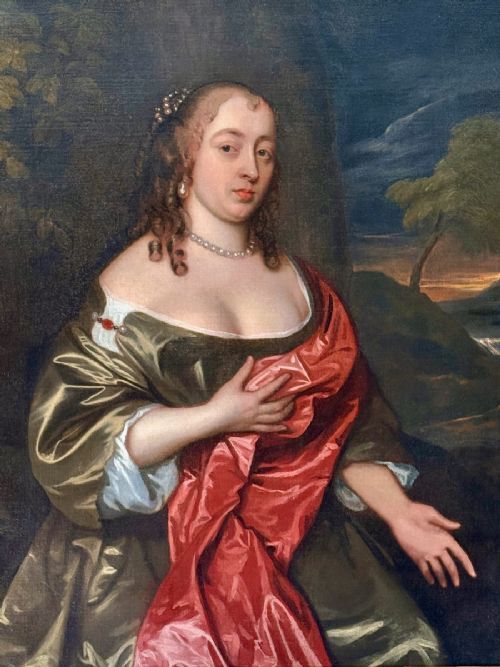
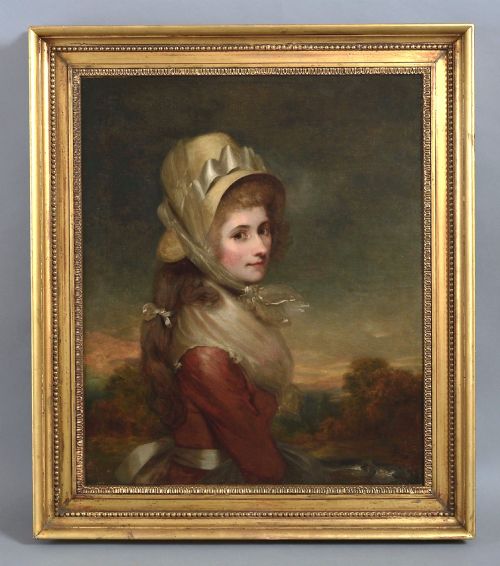
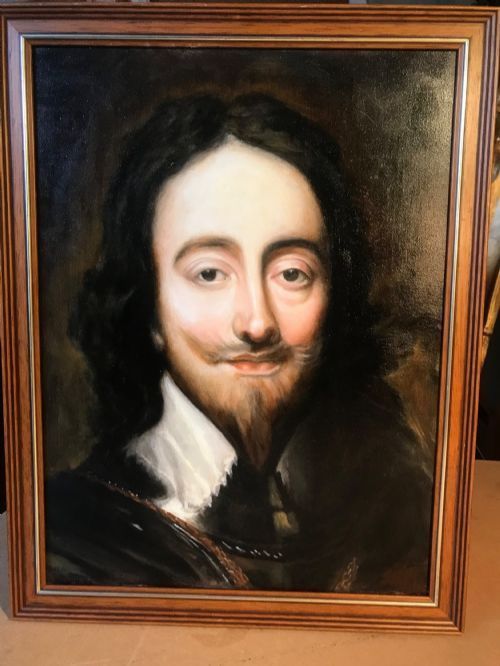
When searching for classic canvas art, collectors encounter original oil paintings spanning the seventeenth century through to the early twentieth century. Portraiture dominates these selections, ranging from aristocratic likenesses to anonymous gentlemen and ladies painted during the Georgian and Victorian periods.
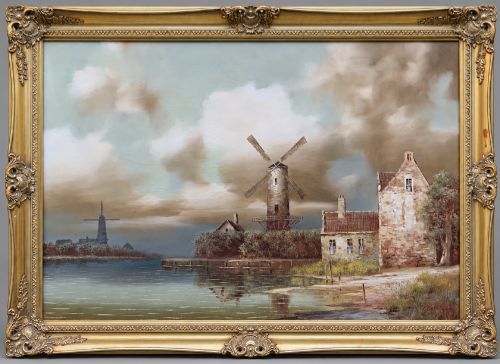
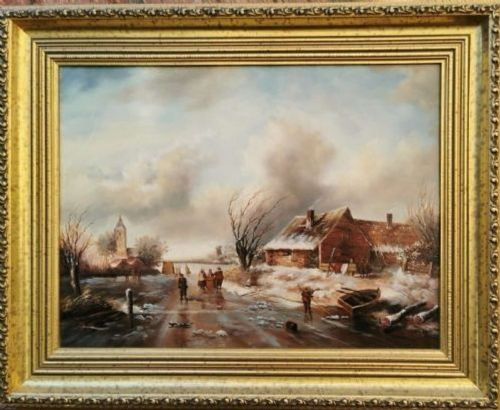
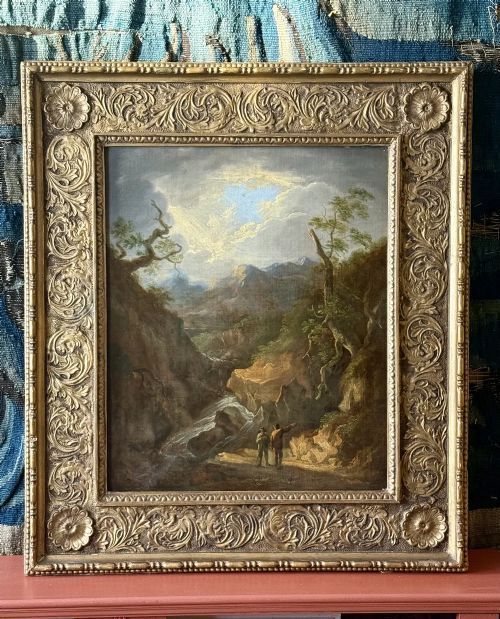
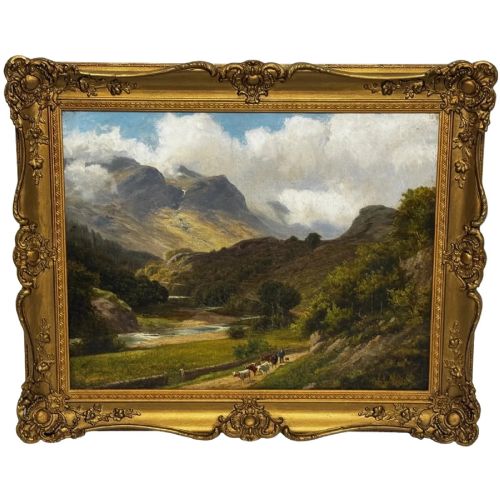
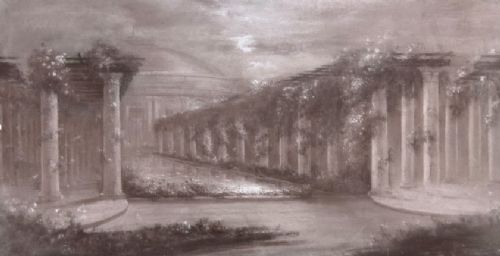
Beyond portraits, the selection encompasses pastoral landscapes, Dutch-inspired winter scenes, nautical views of Venice, and detailed still lifes with fruit or game. These works arrive mounted on traditional wooden stretchers, frequently housed within period giltwood frames that complement the depth of the oil pigment.
Materials and Construction
Painters applied oil and pigment directly onto woven canvas stretched tightly across wooden frames, allowing the textured fabric to hold rich layers of colour and glaze. This fundamental substrate provided the durability needed for works to survive centuries while maintaining their structural integrity.
Finishing touches often included heavy carved wood and gilt frames, which provided structural protection and visual weight to the paintings. The interplay between the oil paint and the gilded wooden moulding remains a defining characteristic of period framed art.
Listings feature works from the seventeenth century through to nineteen thirty, with portraiture executed in oil on canvas representing the most common form.
Assessing Quality and Execution
Execution separates standard decorative portraits from works by accomplished hands, visible in the handling of facial anatomy, fabric folds, and natural light. Master painters achieved subtlety in skin tones and shadow work that lesser workshops missed.
The integrity of the canvas and the preservation of the original pigment layer determine the overall standard of a piece. Finer examples retain their original stretchers and unblemished paint surfaces, while lesser pieces often show heavier past restoration.
Sir Martin Archer Shee·Anthony Van Dyck·Sir Godfrey Kneller·Sir Peter Lely·Edward Ladell
The Classic Canvas Art Glossary
- Canvas
- A heavy woven fabric, typically linen or hemp, used as the primary support surface for oil paintings. It is stretched over a wooden frame before the artist applies the ground layer.
- Stretcher
- The wooden frame that holds the canvas taut. Period stretchers often feature wooden wedges in the corners to adjust tension.
- Giltwood
- Wood that has been coated with a thin layer of gold leaf or gold paint. Frames made from this material are common accompaniments to period oil paintings.
- Oil Paint
- A slow-drying paint made by mixing pigments with a drying oil such as linseed. This medium allows for rich blending and deep glazes.
- Old Master
- A term applied to European painters of high skill working before about eighteen hundred. These works often show distinct stylistic mastery of the Baroque or Dutch Golden Age traditions.
Classic Canvas Art: Frequently Asked Questions
How do I care for antique oil paintings?
Keep the canvas away from direct sunlight and steady changes in household temperature to prevent the oil paint from cracking. Dust the surface gently with a soft, dry brush without using water or cleaning solutions.
Ensure the room maintains moderate humidity levels to protect both the wooden stretcher and the canvas behind it. Professional conservators should handle any deeper cleaning or structural repairs.
What periods do these paintings cover?
The available works span several centuries, beginning with seventeenth-century portraits and moving through eighteenth-century Georgian pieces. Victorian and early twentieth-century examples also appear regularly across the selection.
Each era brings distinct clothing styles, framing techniques, and painting conventions that help date the canvas. Stylistic cues often point towards specific artistic movements like the Dutch Golden Age or nineteenth-century realism.
Are original frames included with the art?
Many paintings retain their period giltwood frames, which contribute significantly to the historic character of the piece. These frames are matched to the era of the canvas, though some have undergone restoration over the centuries.
Framing styles changed from ornate Baroque carvings to simpler Victorian mouldings, reflecting the tastes of the time the painting was created. Inspecting the frame joints provides further clues about the age of the overall object.
How can I tell a portrait's subject?
Inscriptions on the reverse of the canvas, old paper labels, or documented provenance often name the sitter. Aristocratic portraits frequently feature family crests or specific clothing details that link the subject to historical records.
When a subject remains anonymous, dress and hairstyle help narrow down the decade in which the portrait was painted. Comparison with documented works by studio assistants can reveal further context about the sitter's identity.