



Classic Bronze Sculpture
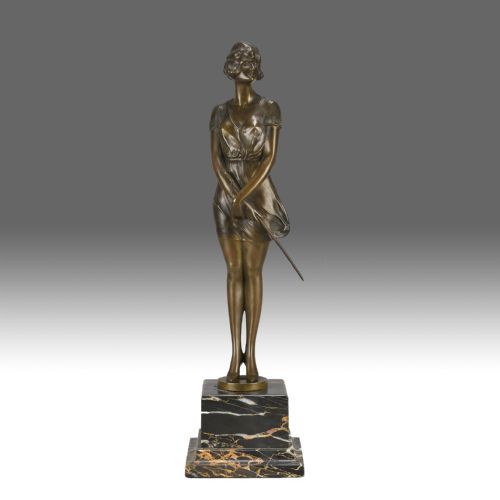
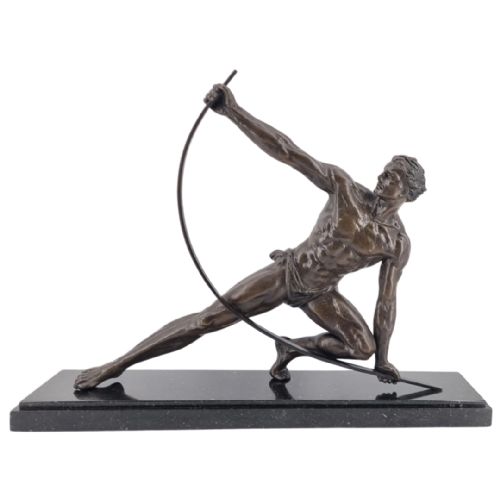
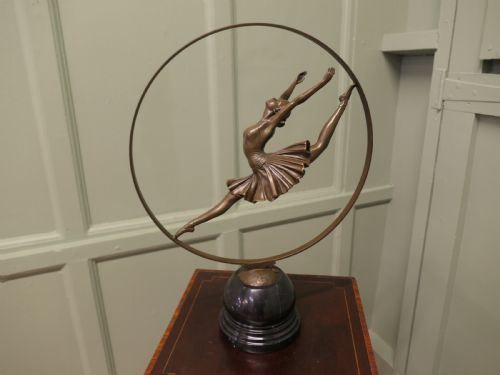
These classic bronze sculpture pieces bring enduring figures, animals, and mythological subjects into a room through traditional cast metalwork.
Classic Bronze Sculpture
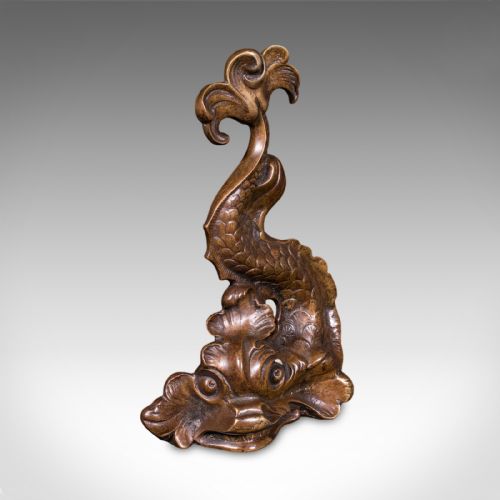
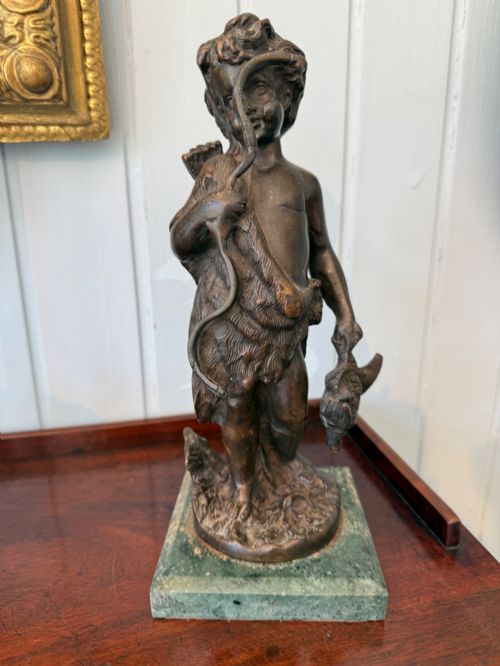
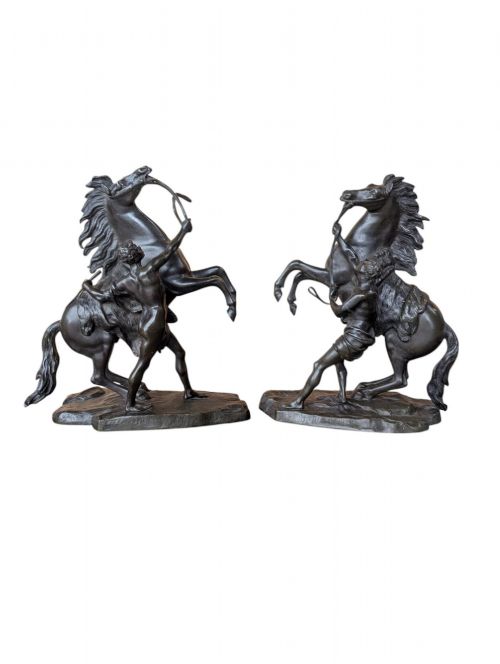
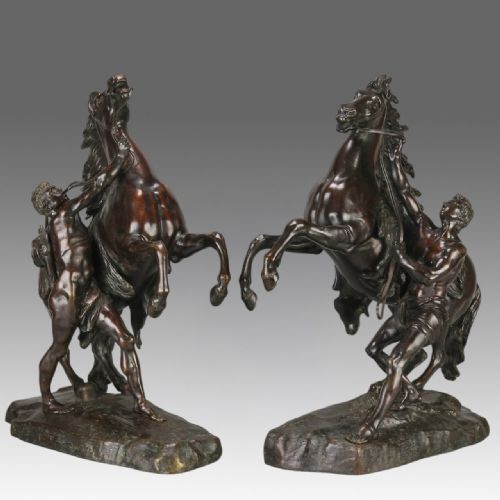
A classic bronze sculpture represents figures, animals, or architectural ornaments cast in metal across periods from the Regency era through to Art Deco and the early twentieth century. Buyers encounter everything from grand tour reductions of classical monuments and mythological subjects to animalier studies and decorative accessories such as doorstops and car mascots.
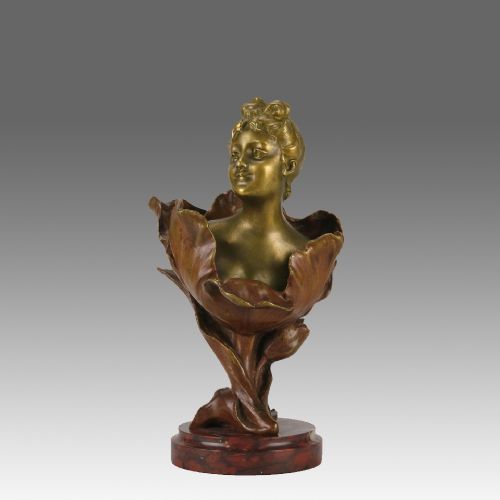
The nineteenth century and the early decades of the twentieth century dominate these selections, capturing neoclassical tastes, French artistry, and Victorian animal studies. Forms range from freestanding figures and portrait busts mounted on marble plinths to functional items elevated by sculptural detail.
Materials and casting methods
Foundries utilised cast bronze, gilt bronze, and patinated metal, frequently mounting finished figures upon marble or wood bases to give weight and contrast. Sculptors worked with plaster models before metal was poured, capturing fine details in the robes of classical figures, animal fur, and facial expressions.
Patination techniques produced varied surface colours, from dark brown patinated bronze to polished gilt finishes that highlighted the contours of the cast metal. Signatures and foundry marks were often chased into the surface after casting, recording the maker or the commercial foundry responsible for the edition.
Classic Bronze Sculpture Retail Price Guide 2026
Typical asking prices for classic bronze sculpture among the pieces listed under this phrase on Sellingantiques today, from the lower quarter to the upper quarter. They describe what is for sale here now, not the wider market.
Evaluating the cast
The depth and consistency of the patina also reveal the care taken in production, with chemical treatments that age the metal gracefully rather than hiding surface flaws. Furthermore, the quality of the supporting base, such as a heavy black marble plinth or detailed timber mount, contributes to the overall presence of the work.
Bruno Zach·Henri Godet·Ferdinand Preiss·Auguste Nicholas Cain·Al Barye·Barbedienne
The Classic Bronze Sculpture Glossary
- Grand Tour
- A nineteenth-century tradition where wealthy travellers collected bronze souvenirs of classical antiquities and Renaissance masterpieces during their travels through Italy.
- Animalier
- A nineteenth-century artistic movement focused on the realistic portrayal of animals, particularly dogs, lions, and horses captured in natural motion.
- Patina
- The surface coloration and sheen developed on bronze through natural oxidation or chemical treatment by the foundry.
- Gilt Bronze
- Bronze that has been coated with a thin layer of gold or gold leaf to produce a bright, luxurious surface finish.
Classic Bronze Sculpture: Frequently Asked Questions
How do I clean an antique bronze sculpture?
Dust the surface gently with a soft, dry brush to prevent dirt accumulation in the crevices of the cast. Avoid using chemical cleaners, polishes, or water, as these can strip the original patina.
Apply a very thin coat of microcrystalline wax if the metal requires protection, buffing it lightly with a clean cloth. Professional conservation is recommended for pieces showing signs of active corrosion.
What does Grand Tour mean?
Grand Tour refers to souvenirs purchased by travellers visiting cultural sites in Italy and Europe during the eighteenth and nineteenth centuries. These reductions reproduced famous classical sculptures, architecture, and mythological figures.
Foundries produced these smaller bronzes to satisfy the demand from collectors wanting to display classical art in their homes.
Are all bronze sculptures solid metal?
Many bronze sculptures are hollow cast using the lost-wax method, which saves metal and reduces weight while maintaining structural integrity. Thicker sections or smaller items may be solid, but larger figures typically feature an interior cavity.
Foundries managed wall thickness carefully to ensure the metal cooled evenly without cracking during the casting process.
How can I tell the age of a bronze?
Age is determined by examining the casting technique, the depth and wear of the patina, and any foundry marks or signatures inscribed on the base. Nineteenth-century casts often feature hand-chased details and mounting styles typical of specific periods.
Comparing the piece to documented works by known sculptors and foundries helps narrow down the production era.