



Classic British Wall Art
Classic british wall art gathers centuries of oil paintings, watercolours and framed prints capturing portraits, landscapes and rural scenes across the British Isles.
Classic British Wall Art
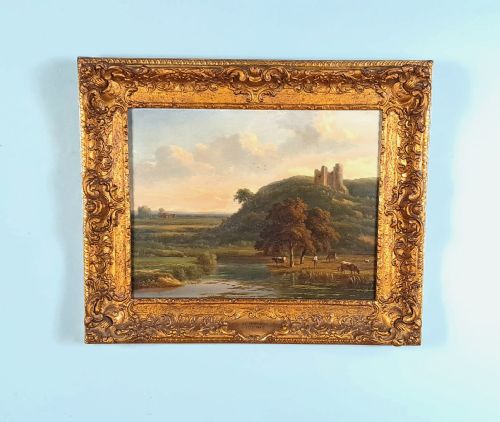
Classic british wall art encompasses oil paintings, watercolours and framed prints spanning from the Georgian period through the Victorian era into the mid-twentieth century. Buyers searching for classic british wall art encounter figurative portraits, picturesque landscapes and genre scenes created by named painters and regional schools across Britain.
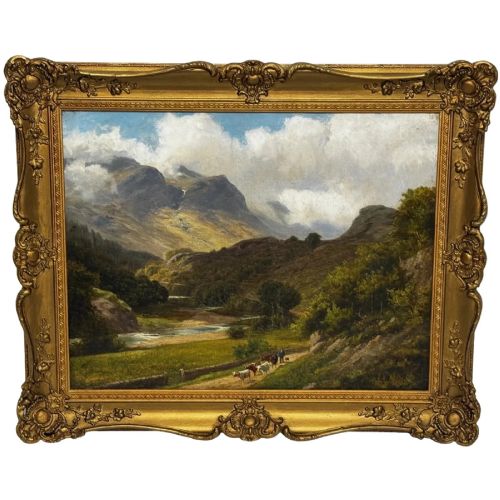
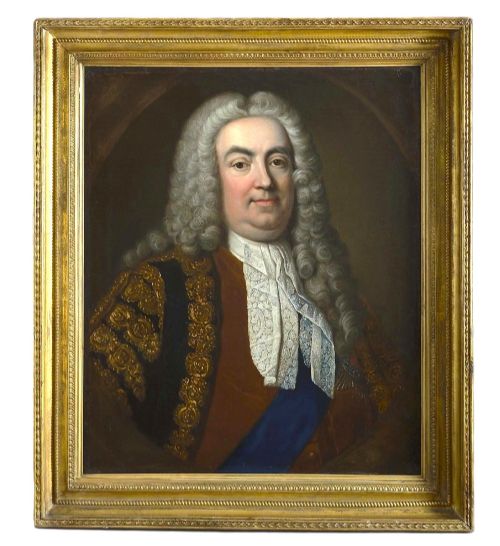
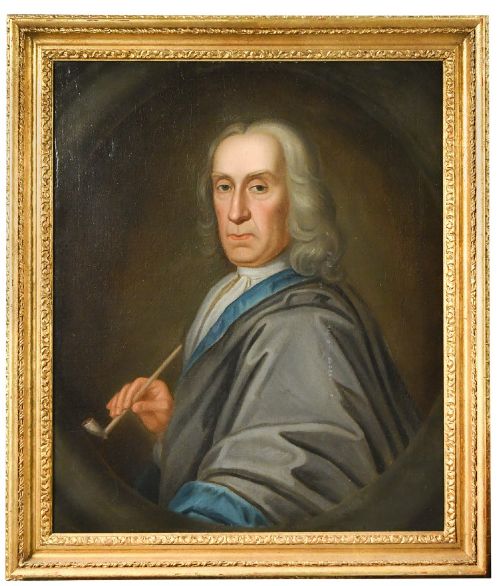
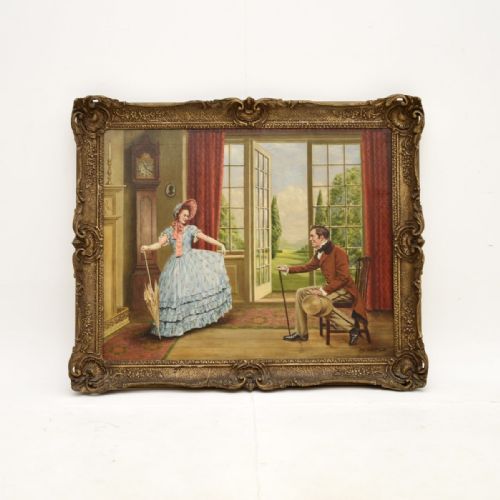
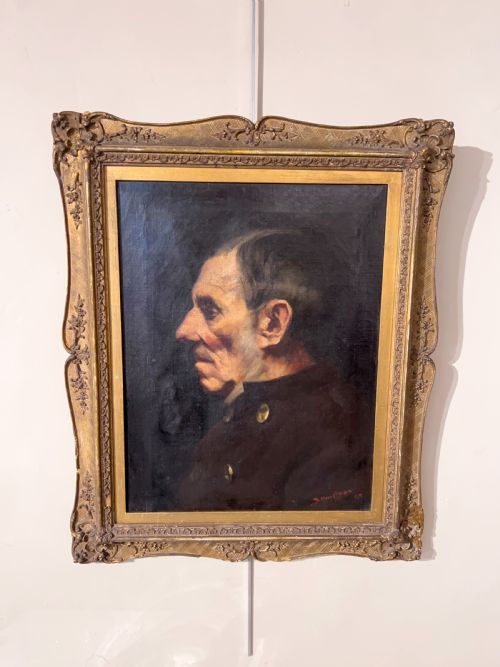
The selections available here range from detailed nineteenth-century landscapes depicting the Lake District and Welsh rivers to intimate domestic interiors and characterful animal portraits. Portraiture forms a significant strand, featuring notable figures alongside anonymous gentlemen and ladies captured by Victorian and Georgian artists.
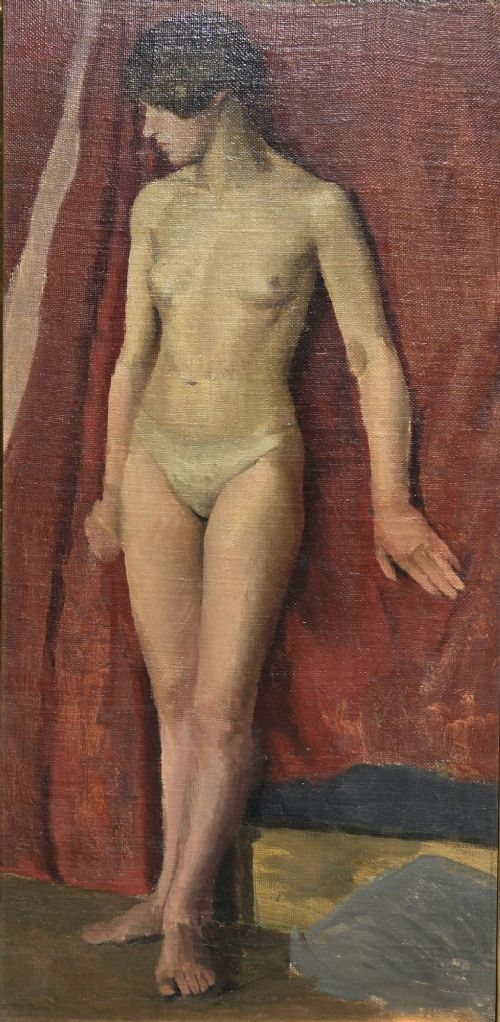
Mid-century works extend the tradition into the twentieth century with modernist portraits and still life compositions. These pieces reflect the enduring British interest in natural topography, portraiture and rural narrative executed through traditional media.
How They Were Made
Makers utilised oil paint on canvas or board, watercolour pigments on paper, and printed graphic methods to produce these works. Canvases were stretched across wooden frames and frequently housed within gesso and giltwood frames that added structural support and visual definition.
Painters applied pigment with brushes and palette knives, building texture and depth in landscapes and portraits. The integration of oil and watercolour techniques allowed artists to capture subtle shifts in light, atmosphere and textile detail.
Classic British Wall Art Retail Price Guide 2026
Typical asking prices for classic british wall art among the pieces listed under this phrase on Sellingantiques today, from the lower quarter to the upper quarter. They describe what is for sale here now, not the wider market.
Canvases capture everything from solemn prime ministers to dogs watching carpet beaters.
What Varies in Quality
The execution of brushwork and the handling of perspective separate works of high distinction from standard output. Superior canvases demonstrate precise tonal control in landscape skies and convincing anatomical rendering in portraiture.
Framing also influences the character of a piece, with original gesso and giltwood mouldings contributing historical integrity compared to later replacements.
John Horace Hooper·Stephen Samuel Lewin·Alfred Lyndon Grace·Francis Moltino·T C Hofland·Bertram Priestman·William Henry Mander·William Mellor·Louis William Desanges·S Dennant Moss·Peter Deakin·John Wright Oakes·Frank Moss Bennett·Alfred de Breanski·Sydney Kendrick·James L Brooke·Alfred Banner·Margaret Evangeline Wilson·Edward H Holder·William Stephen Coleman·Marcellus Laroon·Oliver Clare·James Poole·John Gilroy·John Raphael Smith
The Classic British Wall Art Glossary
- Genre painting
- Depictions of everyday life and ordinary people engaged in domestic or social activities. These works provide social history through detailed interior and exterior settings.
- Gesso
- A plaster-like mixture applied to wooden frames before gilding or painting. It creates a smooth surface for intricate moulded decorative details.
- Giltwood
- Wood carved and coated with gold leaf or metallic paint. It provides a reflective, ornate border for traditional paintings.
- Oil on canvas
- Pigment suspended in drying oil applied to a woven fabric support. This combination allows for rich colour blending and longevity.
Classic British Wall Art: Frequently Asked Questions
How should I hang classic british wall art?
Support heavy giltwood frames securely using appropriate wall fixings tied to structural studs or masonry. Position pieces at eye level to ensure comfortable viewing of detail and perspective.
Keep artworks away from direct sunlight and damp environments to protect the canvas, paper and wooden supports from environmental degradation.
What subjects appear in these paintings?
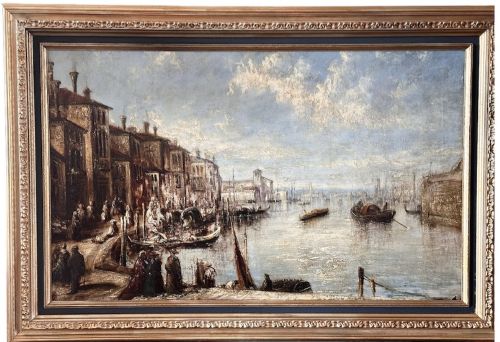
Landscapes depicting Welsh and Cumbrian lakes feature prominently alongside coastal scenes and rural river views. Portraiture records sitters ranging from prime ministers to private individuals.
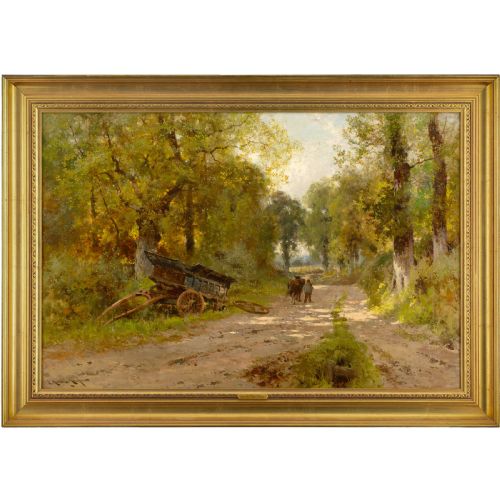
Genre scenes capture domestic moments, animals and everyday rural life across different British counties.
How do I identify the period of a painting?
Examine the materials, stretcher construction and framing style for period indicators. Victorian canvases often feature specific stretcher keys and gesso frame profiles characteristic of the nineteenth century.
Artist signatures and biographical dates recorded in listing details provide direct chronological markers for attribution.
Are these pieces original works?
The selection includes original oil paintings, watercolours and period prints created during the respective centuries. Each piece reflects the hand of the artist or printmaker active at that time.
Consult the specific material notes in individual listings to confirm whether a work is painted on canvas, board or paper.