


Classic British Oil Painting
Classic british oil painting brings together centuries of portraiture and landscape rendered in oil on canvas, offering buyers a direct connection to historical British interiors.
Classic British Oil Painting
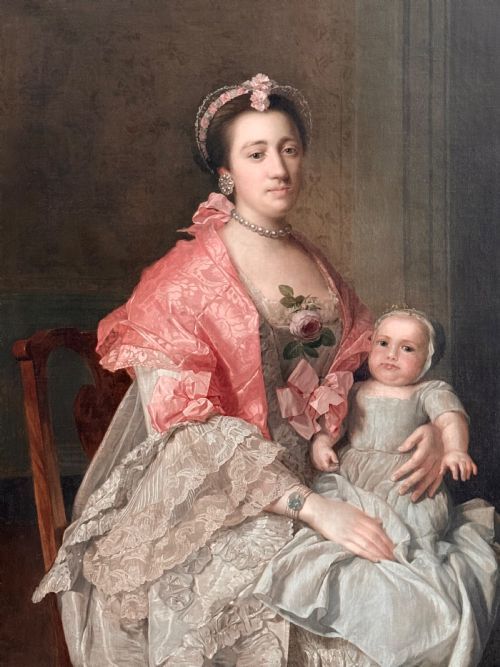
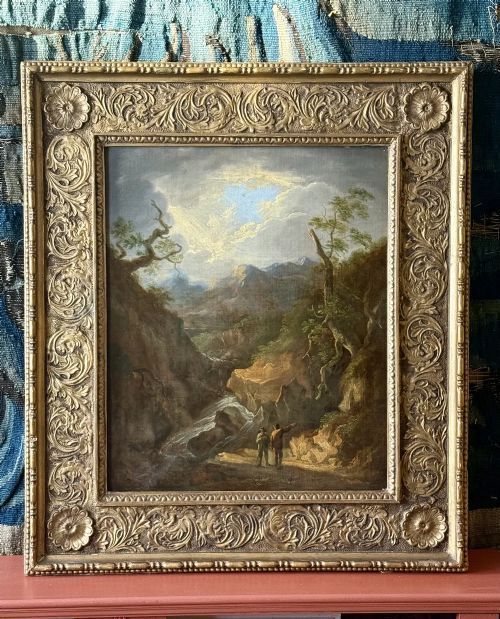
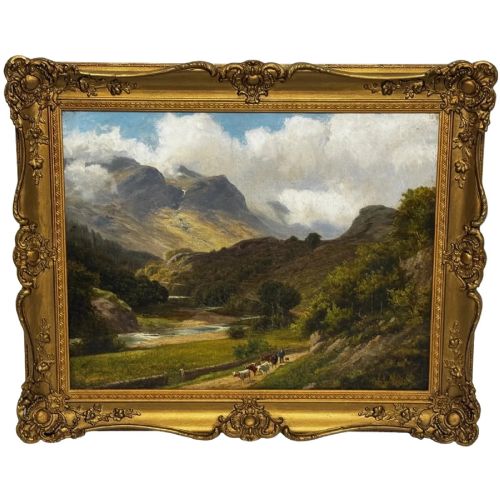
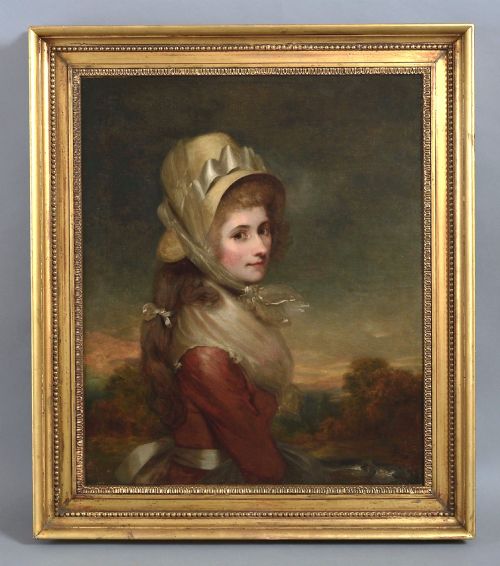
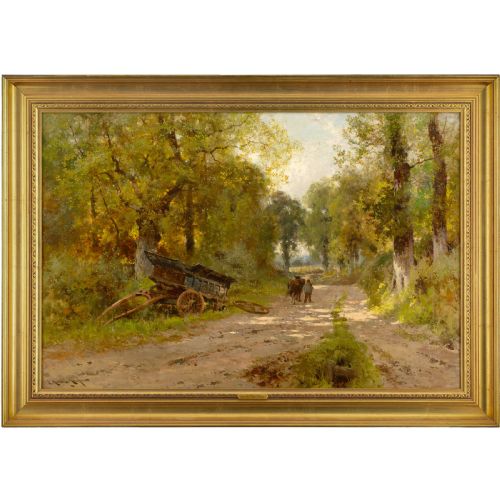
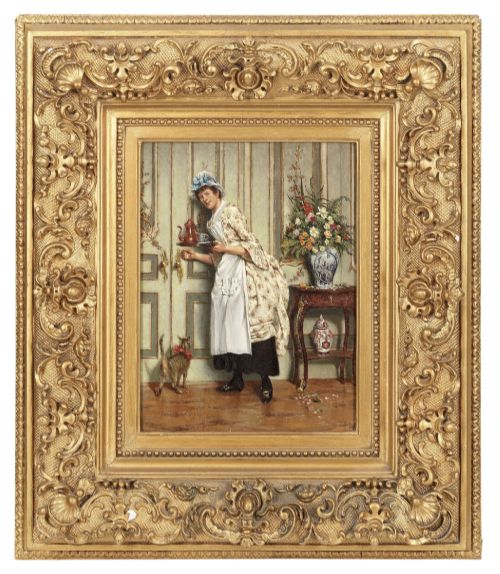
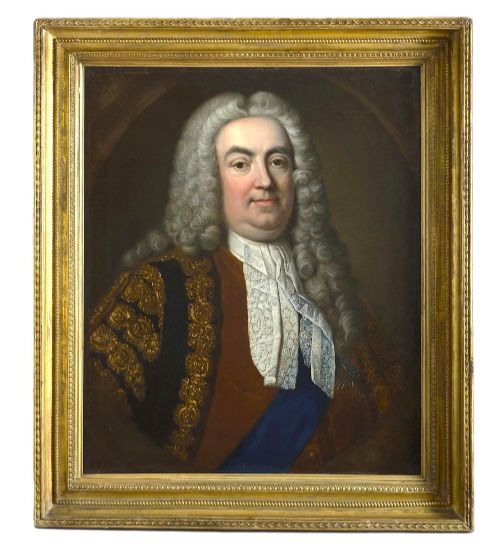
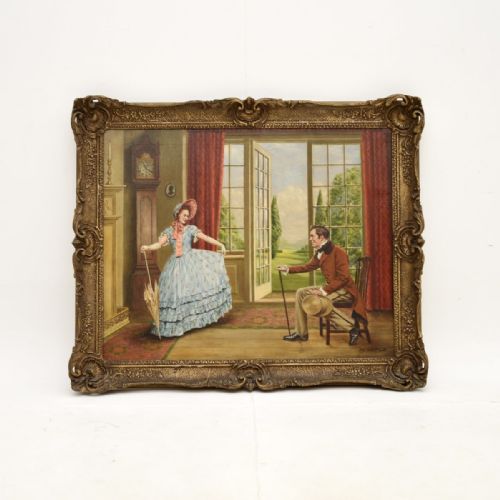
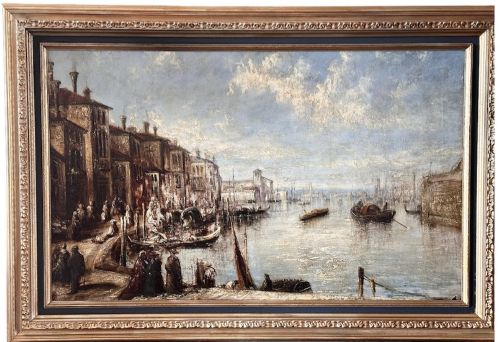
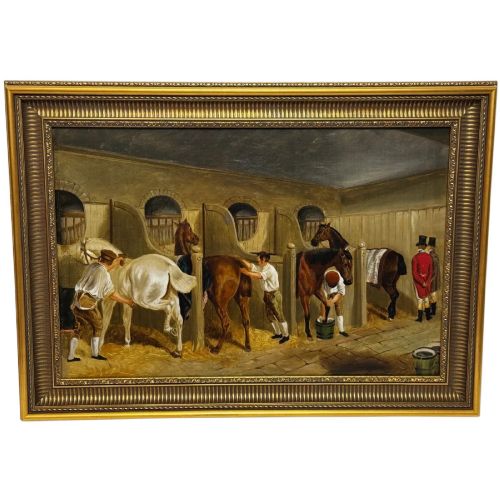
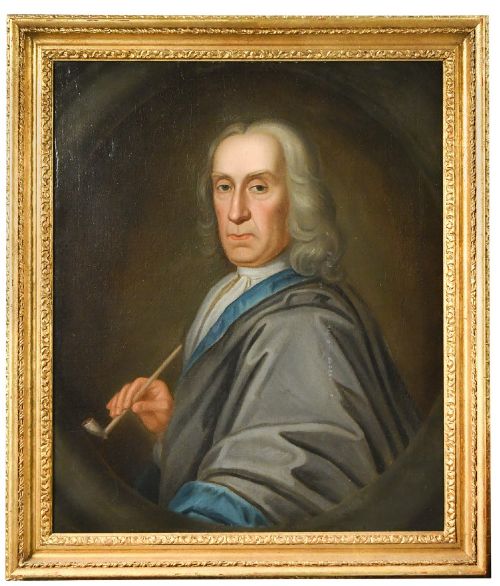
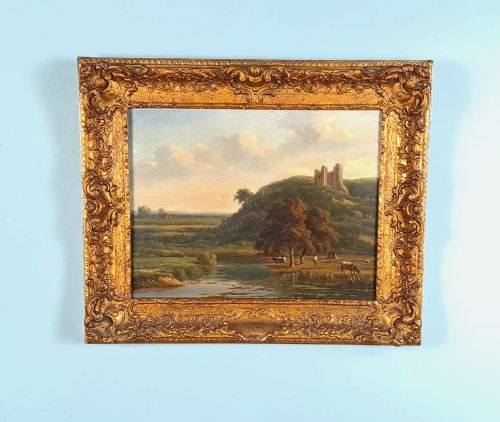
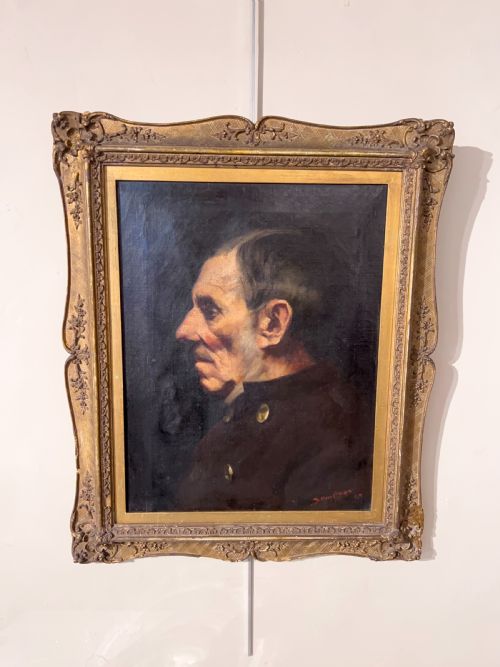
A classic british oil painting encompasses canvas works produced across the seventeenth, eighteenth, nineteenth, and early twentieth centuries by British artists and schools. These works span portraiture depicting nobility and gentry, rural landscapes, and genre scenes detailing everyday domestic life.
The pieces appearing on this page most commonly date from the Victorian and Edwardian eras, executed in oil on canvas and frequently housed within their original gilt wood frames. Portrait paintings and topographical landscapes dominate the selection, reflecting the core subjects collected across these periods.
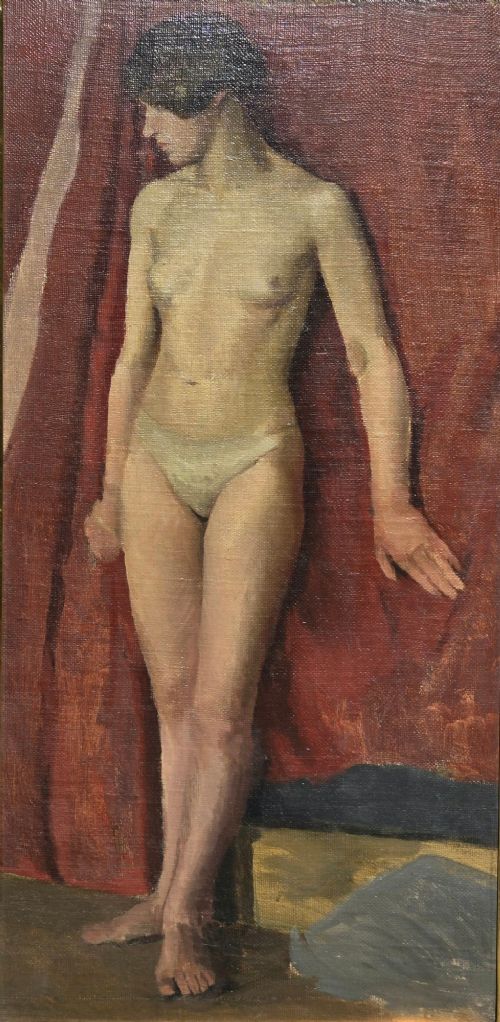
Stylistic influences range from Baroque and Georgian traditions through Regency realism to mid-century approaches. Buyers encounter both signed works by known professional artists and atmospheric pieces attributed to regional British schools.
Materials and Techniques
These works are painted using oil paint applied to stretched canvas or occasionally wood panels, allowing artists to build deep layers of colour and subtle tonal gradations. The physical support relies on traditional wooden stretchers that hold the woven canvas rigid.
The listings span from the seventeenth century through to the mid-twentieth century, utilising oil on canvas and gilt wood.
Judging Quality and Execution
Quality in these works rests upon the confidence of the brushwork, the handling of light and shadow, and the anatomical or topographical accuracy achieved by the painter. Master hands manage pigment density and glaze layers to create genuine depth, whereas lesser works remain flat and formulaic in execution.
The integrity of the canvas and the preservation of the original paint surface dictate the condition of a piece. Finer examples retain their original stretchers, undisturbed paint layers with minimal overpainting, and contemporaneous gilt wood frames that complement the age of the art.
Sir Martin Archer Shee·John Horace Hooper·Thomas Beach·Jean Baptiste Van Loo·Alfred Lyndon Grace·Francis Moltino·Margaret Sarah Carpenter·T C Hofland·Bertram Priestman·William Henry Mander·William Mellor·Walter J Watson·Louis William Desanges·Benjamin Williams Leader·Peter Deakin·John Wright Oakes·Frank Moss Bennett·Alfred de Breanski·Sydney Kendrick·James L Brooke·Frederick J Knowles·Ernest Walbourn·Alfred Banner·Margaret Evangeline Wilson·Edward H Holder
The Classic British Oil Painting Glossary
- Gesso
- A plaster-like mixture applied to wood frames to provide a smooth, prepared surface for subsequent gilding. This ground layer is often moulded into relief decoration before the application of gold leaf.
- Genre painting
- The pictorial representation of scenes from everyday life, involving ordinary people engaged in common activities. These works contrast with formal portraiture and grand historical subjects.
- Giltwood
- Wood that has been coated with thin sheets of gold leaf or gold dust over a prepared base. It provides the traditional reflective framing common to British paintings from the seventeenth century onward.
- British School
- A designation applied to works created by artists active in Britain whose individual identities remain unrecorded or grouped by regional tradition. It denotes geographical origin rather than a single unified academy.
- Portraiture
- The practice of capturing the likeness, personality, and social status of an individual through paint. In historical British art, this genre records generations of sitters from royalty to rural subjects.
Classic British Oil Painting: Frequently Asked Questions
How do I identify the period of an oil painting?
Dating relies primarily on the style of clothing, hair, and framing, alongside any signatures or biographical dates associated with the artist. Canvas stamps and the composition of the wooden stretcher frame also offer clues to the decade of creation.
Examining the pigment application and the ageing of the oil medium helps separate nineteenth-century works from earlier Georgian and seventeenth-century examples.
Are these paintings supplied in original frames?
Many pieces retain their period gilt wood or gesso frames, which were often designed specifically to house the canvas during its era of production. These frames show appropriate signs of age, including minor losses to the gilded surface.
Frames are occasionally later replacements chosen to match the historical period of the artwork within.
What is the difference between portraiture and genre painting?
Portraiture focuses specifically on recording the likeness and identity of a named individual or family member, often commissioned to mark social standing. The sitter remains the central and exclusive focus of the composition.
Genre painting depicts anonymous figures participating in daily activities, such as agricultural labour or domestic scenes, prioritizing narrative and atmosphere over individual identity.
How should I care for an antique oil painting?
Keeping paintings away from direct sunlight, high humidity, and rapid temperature fluctuations protects both the canvas and the fragile oil pigments from cracking. Stable indoor conditions prevent the wood stretcher and canvas from warping over time.
Dusting should be performed gently with a soft, dry brush, avoiding any moisture or chemical cleaning agents on the paint surface.