


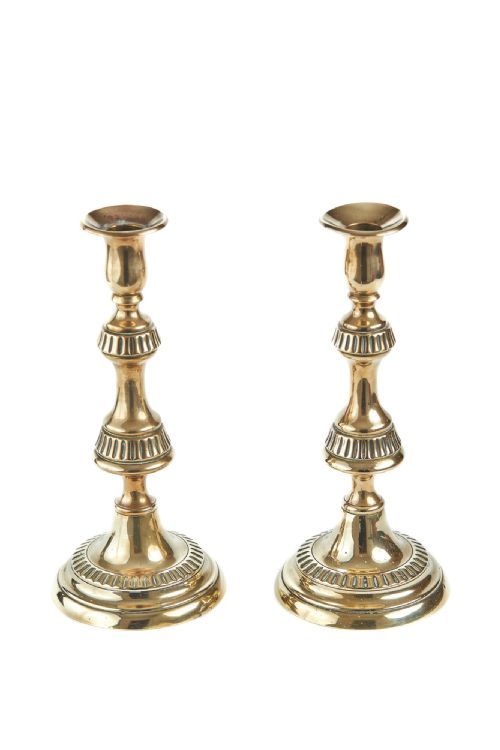


Classic Brass Tapers
Classic brass tapers bring warm, metal gleam and timeless utility to a room, offering the reliable illumination and period character collectors look for.
Classic Brass Tapers
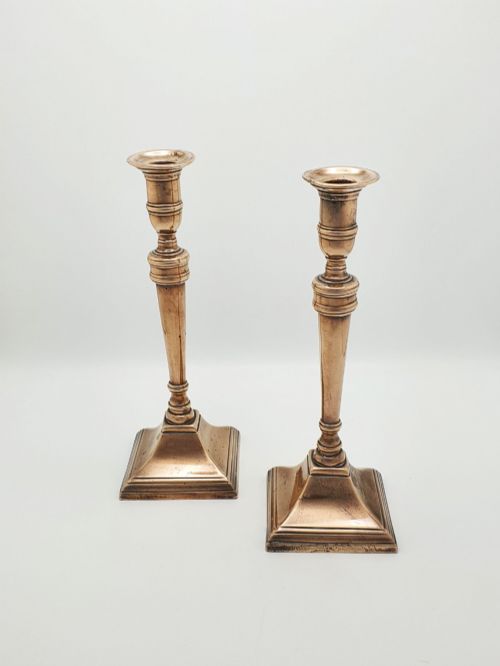
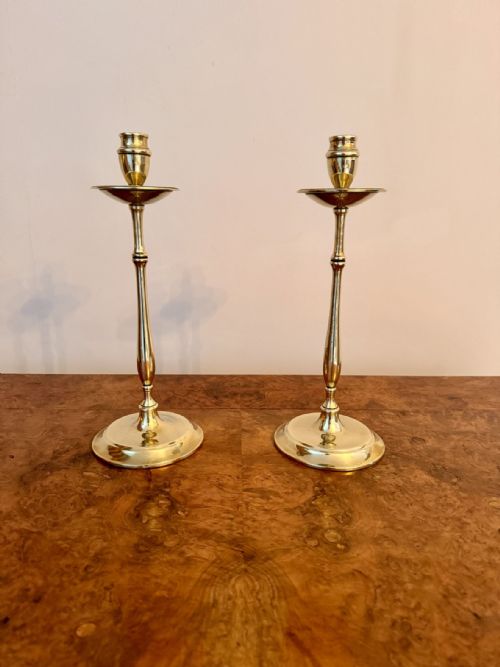
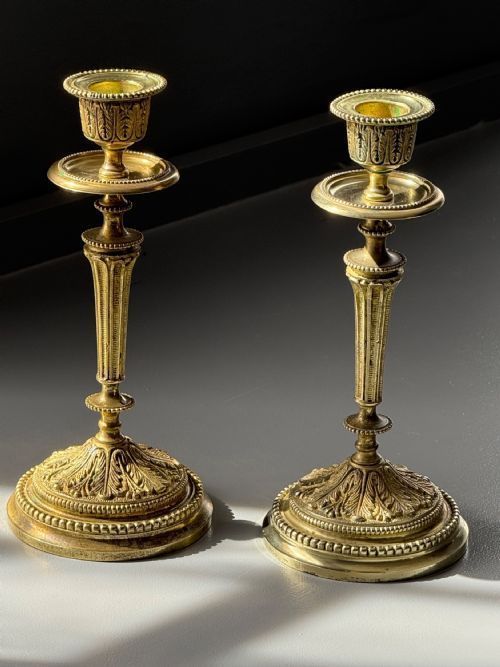
Classic brass tapers encompass traditional lighting implements designed to hold candles securely for domestic illumination. These pieces are primarily represented on this page by antique brass candlesticks spanning multiple centuries and stylistic traditions.
Geographic influences vary from English Georgian workshops to French Louis XVI style creations and English Country aesthetics. Each piece demonstrates the enduring utility and decorative appeal of traditional metalwork in domestic settings.
How they were made
Makers utilised durable metals such as solid brass, gilt bronze, and ormolu to shape these lighting devices. Techniques involved forming and joining components securely to create lasting domestic objects.
Mid-18th century examples often display seamed construction methods, whereas later Victorian and Edwardian items utilise distinct casting and finishing approaches to achieve decorative surface detail.
Classic Brass Tapers Retail Price Guide 2026
Typical asking prices for classic brass tapers among the pieces listed under this phrase on Sellingantiques today, from the lower quarter to the upper quarter. They describe what is for sale here now, not the wider market.
Listings feature candlesticks in solid brass, gilt bronze, and ormolu, spanning the 18th century through the Edwardian period.
What varies in quality
Distinctions in quality arise from the crispness of the casting detail and the integrity of the metal components. Finer examples exhibit balanced proportions and clean joinery that reflect skilled craftsmanship.
The sophistication of the period ornamentation, whether restrained Georgian simplicity or ornate Victorian detailing, dictates the visual distinction of individual pieces.
The Classic Brass Tapers Glossary
- Ejector candlestick
- A candlestick featuring an internal mechanism designed to push out the remaining candle stub. This practical device aids in clearing spent wax after use.
- Petal base
- A candlestick base shaped with scalloped lobes resembling flower petals. This decorative form is frequently encountered on 18th-century examples.
- Gilt bronze
- Bronze metal treated with a thin layer of gold or gold-coloured finish. This material provides a bright, reflective surface often seen in Louis XVI style pieces.
- Ormolu
- Finely ground high-carat gold applied to a bronze base using a mercury amalgamation process. The technique produces a rich metallic lustre associated with decorative furnishings.
Classic Brass Tapers: Frequently Asked Questions
What is an ejector candlestick?
An ejector candlestick incorporates a built-in sliding mechanism within the stem or socket. Pushing a small side tab moves an internal disk upward to remove the remaining candle stump.
This ingenious feature made cleaning and maintenance much easier for households during the 18th century.
How should I clean antique brass?
Cleaning antique brass requires a gentle approach to preserve the accumulated patina and aged surface character. Using harsh commercial chemical polishes can strip away desirable historic wear and diminish the visual depth.
Dusting with a soft dry cloth is usually sufficient for regular upkeep of display pieces.
Where were these pieces used?
These lighting items were utilised throughout domestic interiors to provide movable illumination before the widespread adoption of electricity. They were placed on tables, mantelpieces, and desks where localized light was needed.
Pairs were commonly arranged on dining tables or chest tops for symmetrical decorative effect.