


Classic Artwork
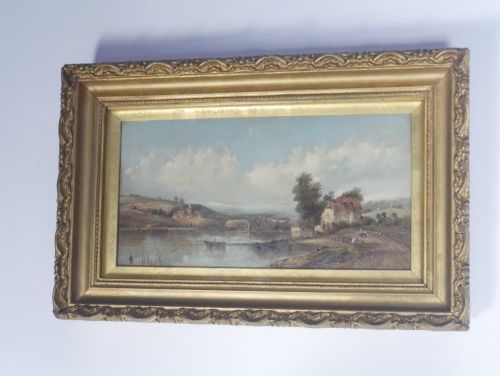
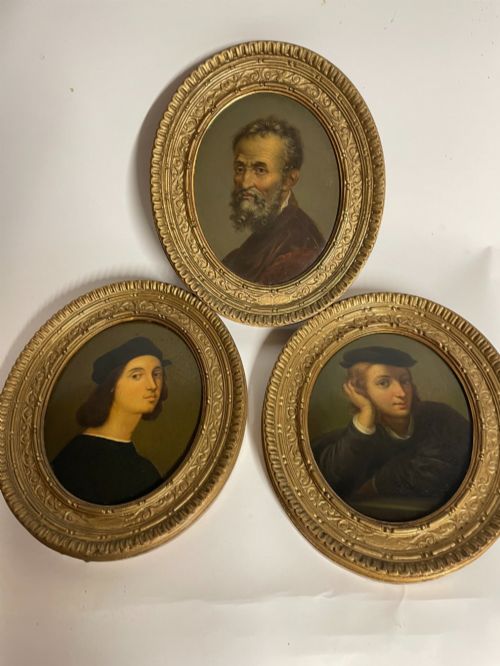
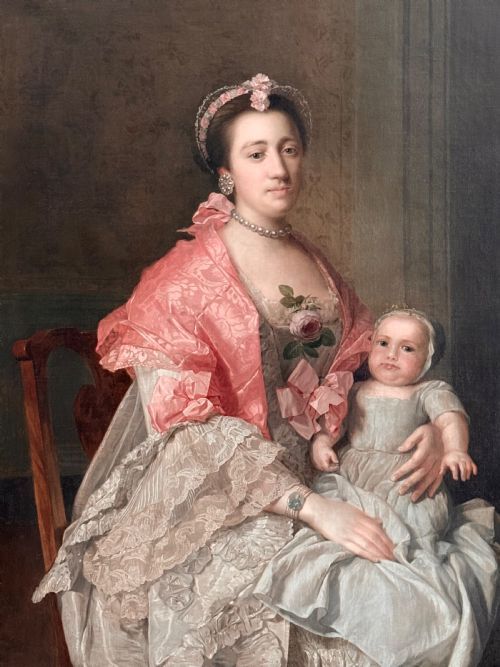
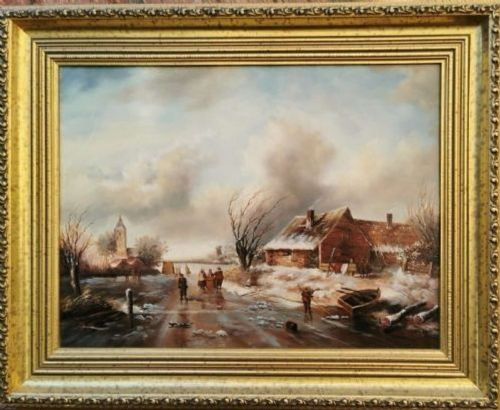
These classic artwork selections bring together oil paintings, portraits, and landscapes spanning multiple centuries of visual tradition.
Classic Artwork
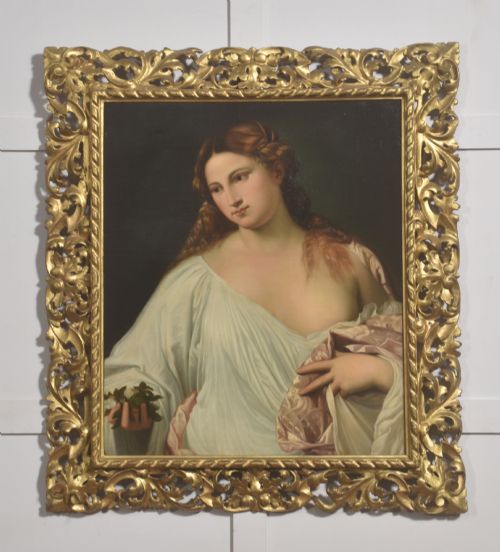
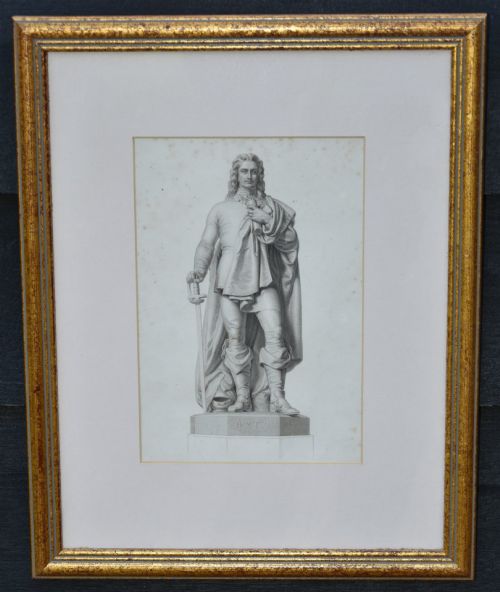
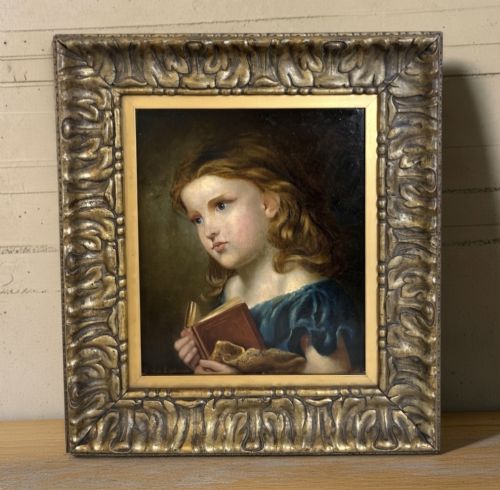
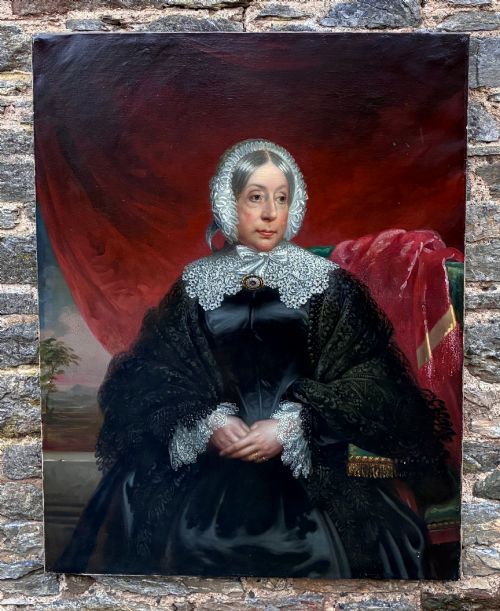
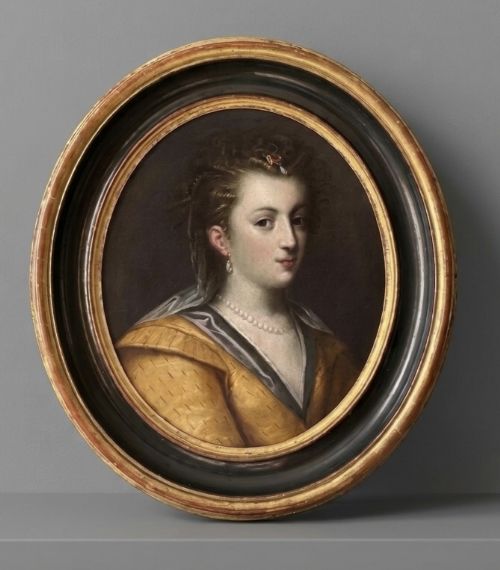
Buyers seeking classic artwork encounter a broad range of oil paintings, canvas works, framed prints, and engravings dating from the seventeenth century through to the mid-twentieth century. Portraits of nobility, gentlemen, and ladies sit alongside landscape scenes, still life arrangements, and historical depictions.
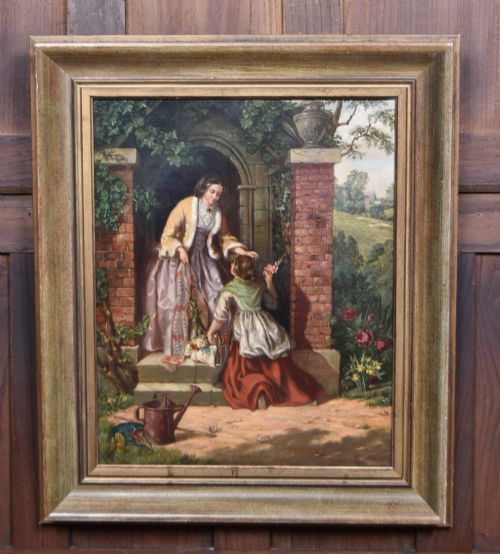
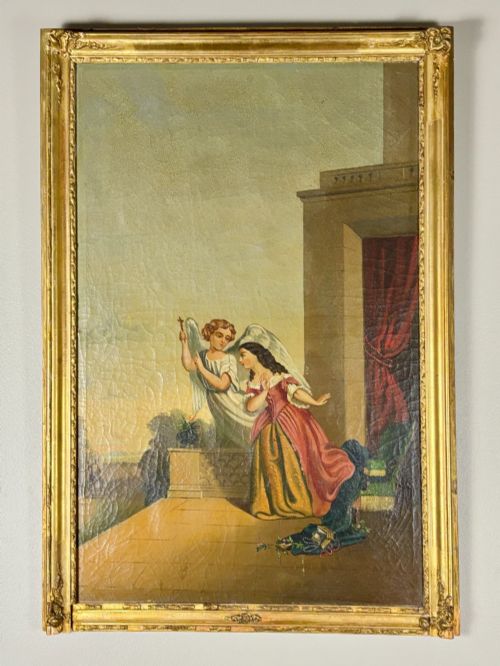
The selection frequently includes works from the Victorian era, the eighteenth century, and early twentieth-century painters working in varied styles such as Dutch Golden Age mannerisms and nineteenth-century realism. Many pieces arrive housed in period frames, often constructed from giltwood or wood.
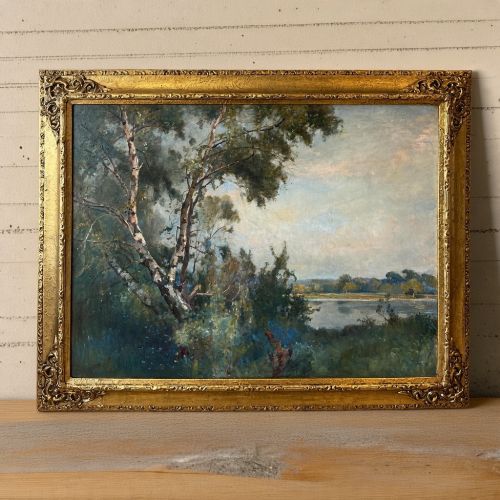
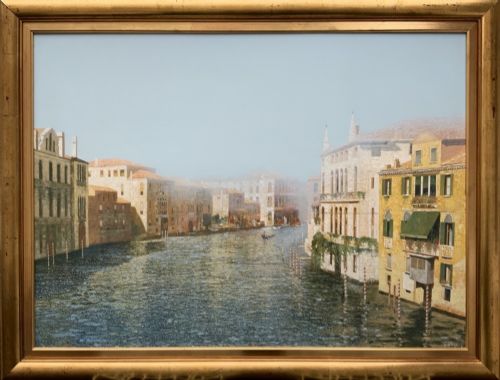
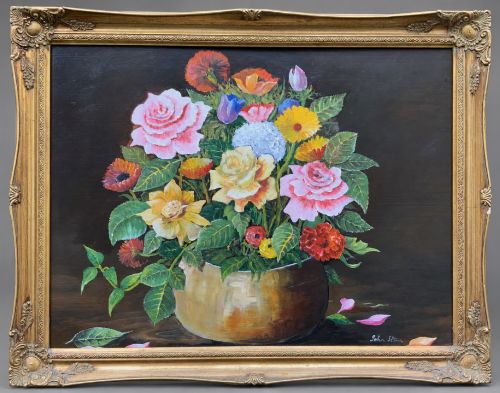
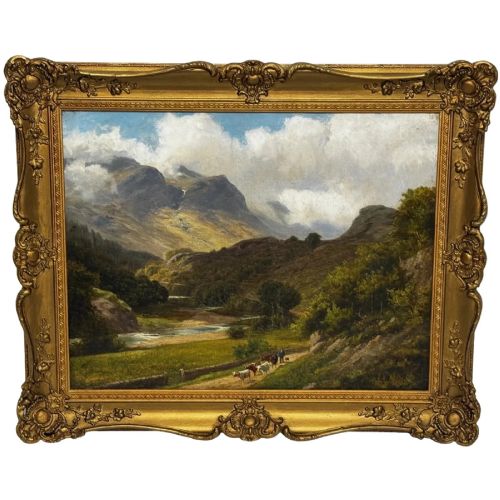
The assortment spans formal studio portraits by named artists, regional landscapes from locations such as the Lake District or Venice, and atmospheric still life compositions featuring fruit, lobsters, or domestic interiors.
How these pieces were produced
Painters relied principally on oil paint applied to canvas, wood panels, or boards, building up layers to achieve depth in subjects ranging from human skin tones to distant landscapes. Canvas stretchers and paper attached to supports appear across various periods, alongside original etchings and photographic prints on board.
Frames play a structural and aesthetic role, utilising carved wood and giltwood finishes designed to complement the paintings they enclose. Artists from the seventeenth century onward employed traditional brushwork techniques, varnishes, and priming methods suited to their respective schools.
Classic Artwork Retail Price Guide 2026
Typical asking prices for classic artwork among the pieces listed under this phrase on Sellingantiques today, from the lower quarter to the upper quarter. They describe what is for sale here now, not the wider market.
Listings feature canvases and panels ranging from seventeenth-century portraits to mid-twentieth-century Dutch landscape oil paintings.
What separates works within this range
Quality rests upon the skill of the brushwork, the psychological depth or compositional balance of the subject, and the attribution to a known artist, circle, or recognised school. Works executed by documented painters demonstrate superior command over light, shadow, and proportion compared to anonymous student pieces.
The integrity of the canvas surface, the stability of the pigment layers, and the retention of the original period frame influence the overall standard of an artwork. Pieces that maintain their early framing and display minimal disruption to the paint layer command greater appreciation among collectors.
Lavinia Fontana·Charles Jervas·Thomas Murray·Matthieu Elias·Sir Allan Ramsay·Benjamin Barker of Bath·Sir Martin Archer Shee·Anthony Van Dyck·John Horace Hooper·Stephen Samuel Lewin·Edouard Pingret·Jean Baptiste Van Loo·Alfred Lyndon Grace·Jonny Gaston·Herbert Dicksee·Francis Moltino·Edward Ladell·David Roberts·Louis Charles Verwee·Winifred Rymer·Else Preußner·William Oliver·Thomas Spinks
The Classic Artwork Glossary
- Canvas
- A heavy woven fabric used as a surface for oil painting, typically stretched across a wooden frame before work begins.
- Giltwood
- Wood that has been coated with a thin layer of gold leaf or gilt powder, commonly found on decorative picture frames.
- Attributed to
- A designation used when a work is considered by experts to be by a certain artist, though without absolute proof of authorship.
- Circle of
- A term indicating that an artist worked closely within the style, workshop, or immediate influence of a master painter.
- Etching
- A printmaking technique where lines are incised into a metal plate with acid before ink is applied and transferred to paper.
Classic Artwork: Frequently Asked Questions
How do I care for an oil painting?
Keep paintings away from direct sunlight, high humidity, and rapid temperature changes to protect the canvas and pigment layers from cracking or fading.
Dust the surface very gently with a dry, soft brush when necessary, avoiding water, chemical cleaners, or rough cloths entirely.
What does attribution to a studio mean?
Studio attribution indicates that the piece originated from the workshop of a master artist, often executed by assistants or pupils under supervision.
These works reflect the technical standards and compositional methods of the named master during that specific period.
Are period frames original to the paintings?
Many older oil paintings retain frames contemporary to their creation or from a closely following era, while others have been reframed over the centuries.
Giltwood and carved wooden frames show signs of age that help historians date the overall presentation package.
How can I tell a portrait period?
Clothing styles, hairstyles, facial hair, and the cut of coats or dresses provide immediate clues to the decade in which a portrait was painted.
Accessories such as periwigs, lace collars, or specific wrap styles correspond closely to documented fashion eras.