



Classic Sofa
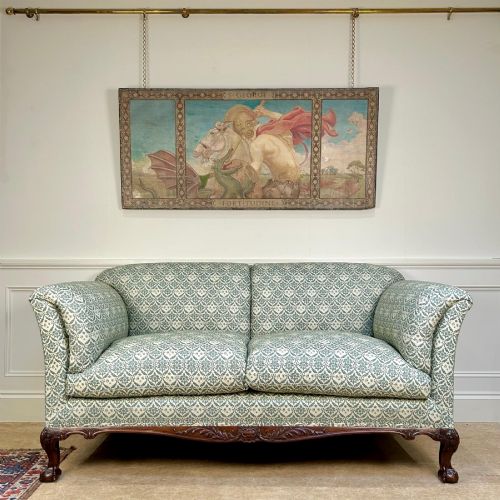
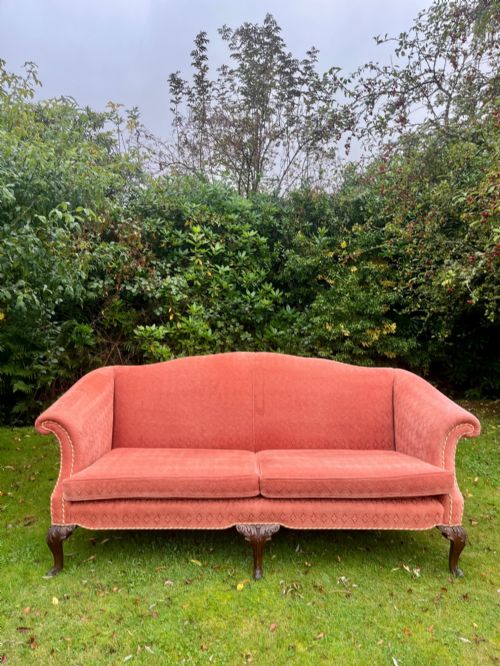
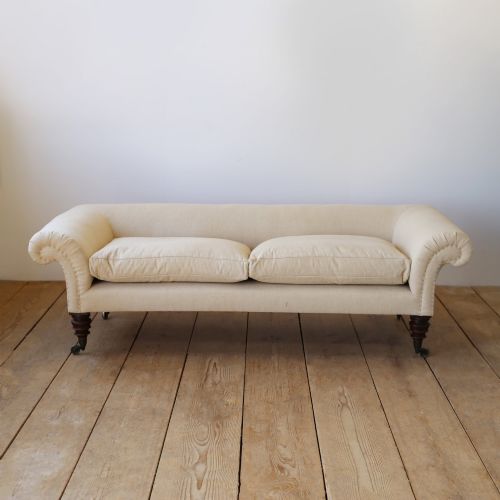
A classic antique sofa brings historic weight and enduring comfort into a room through generous proportions and traditional upholstery.
Classic Sofa
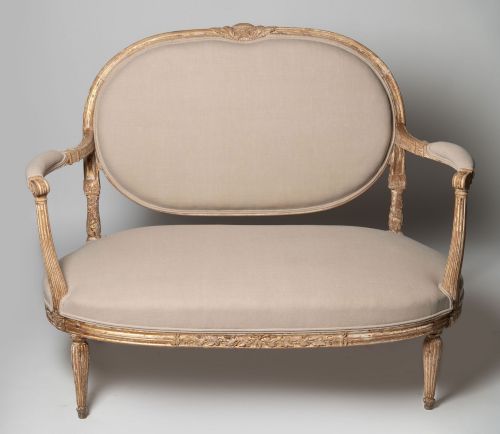
A classic antique sofa encompasses seating forms from the eighteenth, nineteenth, and early twentieth centuries, spanning periods from Georgian elegance to Victorian robustness. Buyers seeking a classic antique sofa will encounter diverse regional interpretations, including English country house pieces, French settees, and Regency designs. These seating forms served as focal points for formal drawing rooms and private libraries alike.
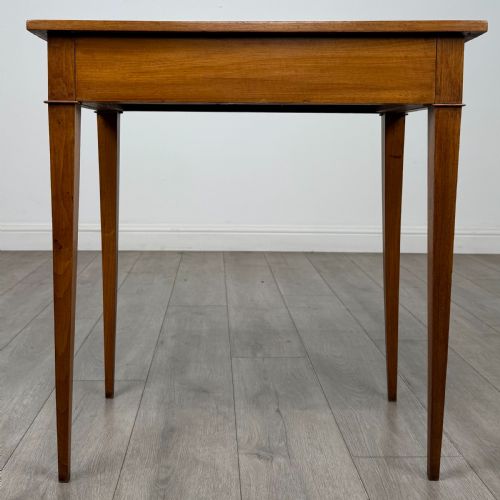
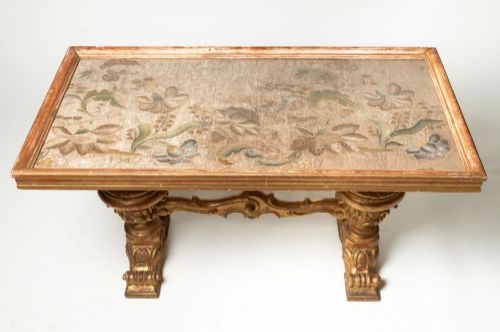
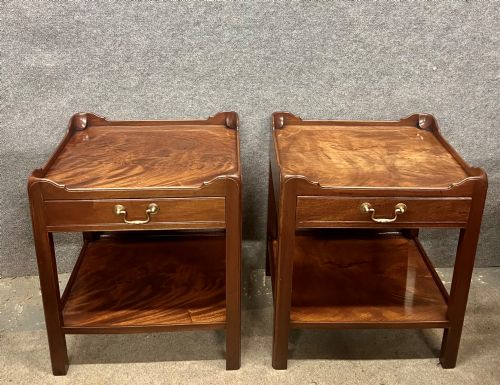
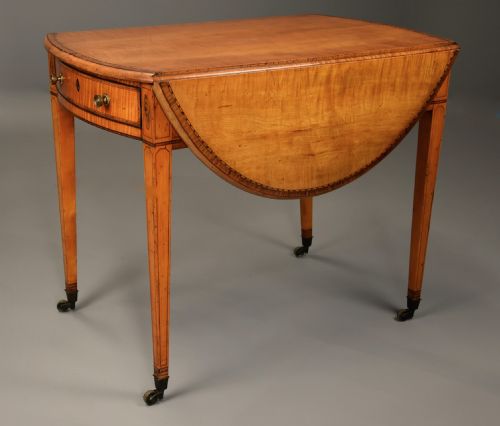
Cabinet furniture such as sofa tables, console tables, and occasional tables also emerge within these listings due to overlapping stylistic categories. These occasional pieces share the mahogany, walnut, and rosewood timbers found in the framing of contemporaneous seating. The core focus remains firmly on upholstered resting furniture from designated historic eras.
How they were made
Frames rely on dense native hardwoods such as mahogany, walnut, and solid timber, joined with traditional carpentry methods. Cabinetmakers shaped structural elements while specialist upholsterers built internal support systems using coil springs, horsehair filling, and webbing.
Surface treatments involve polishing timber frames to reveal grain patterns in mahogany and rosewood. Leather upholstery receives hand-dyed finishes, whilst textile coverings utilise woven damask, linen, and velvet secured with traditional buttoning techniques.
Classic Sofa Retail Price Guide 2026
Typical asking prices for classic sofa among the pieces listed under this phrase on Sellingantiques today, from the lower quarter to the upper quarter. They describe what is for sale here now, not the wider market.
Horsehair stuffing and coiled springs conspire inside these heritage frames to ensure generations of lounging ancestors left their imprint in the padding.
What varies in quality
Integrity of the internal frame construction separates standard pieces from exceptional examples. Original joinery, retained stuffing, and uncompromised timber strength dictate the long-term resilience of a seating piece.
The grade and finish of surface materials mark distinctions across the range. Hand-dyed leather patination, silk damask weave density, and precise wood inlay distinguish high-workshop output from vernacular production.
Howard & Sons·James Mein Kelso·Robert Strahan & Co
The Classic Sofa Glossary
- Chesterfield sofa
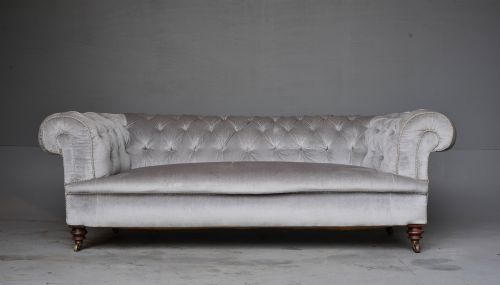
- A deep-buttoned upholstered couch traditionally featuring arms and back of equal height. This form gained prominence during the nineteenth century.
- Camel back sofa
- An upholstered seating form characterised by a serpentine or arched crest rail resembling a camel's hump. Georgian and revival makers favoured this silhouette.
- Knole sofa
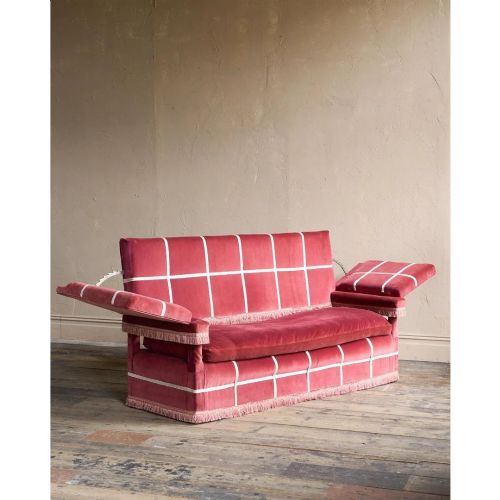
- A historic settee design featuring hinged or adjustable high sides tied with decorative braids. It derives its name from the ancestral English country house.
- Crossbanding
- A decorative border technique where veneer strips are laid perpendicular to the grain of the primary surface. Cabinetmakers applied this to table tops and structural margins.
- Giltwood
- Timber coated with a thin layer of gold leaf or powder over a prepared gesso base. French and Regency pieces frequently utilised this decorative finish.
Classic Sofa: Frequently Asked Questions
How do I identify a Victorian Chesterfield?
Victorian Chesterfields are characterised by deep button tufting, low backs, and scrolled arms. They frequently utilise horsehair filling and robust coil springing beneath leather or velvet upholstery.
Construction details and timber species within the internal frame help confirm the nineteenth-century origin.
How do I care for antique leather?
Antique leather requires maintenance using appropriate natural waxes and conditioners to prevent the hide from drying and cracking. Avoid placing leather furniture in direct sunlight or near heat sources.
Gentle cleaning preserves the historic patination accumulated over centuries of use.
Where were these sofas used?
These seating pieces originated in formal drawing rooms, libraries, and country house reception spaces. They served as comfortable resting furniture for entertaining guests or private reading.
Today, they adapt readily to domestic living rooms as statement seating.