






Classic Analogue Timepiece
A classic analogue timepiece brings mechanical precision and mid-century design straight to the wrist.
Classic Analogue Timepiece
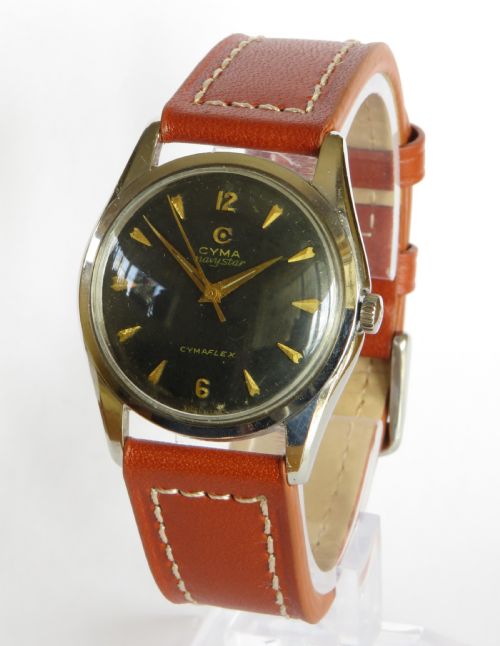
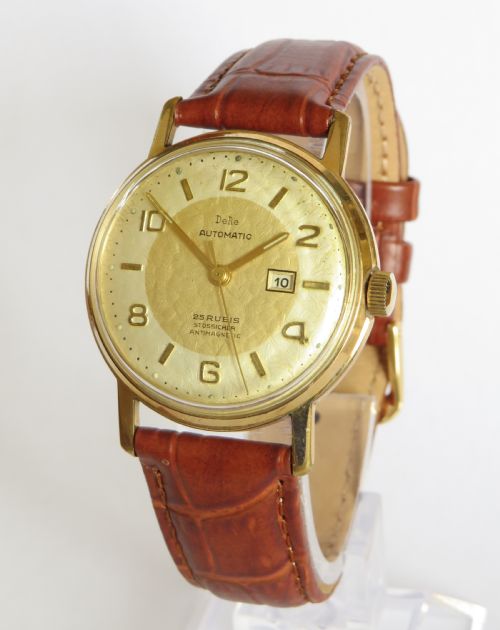
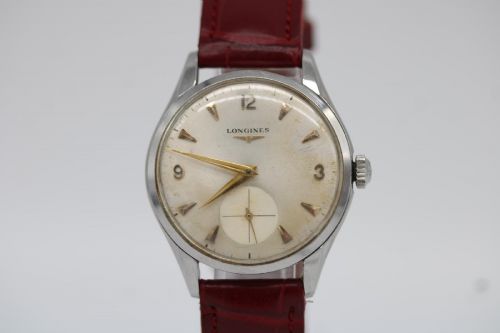
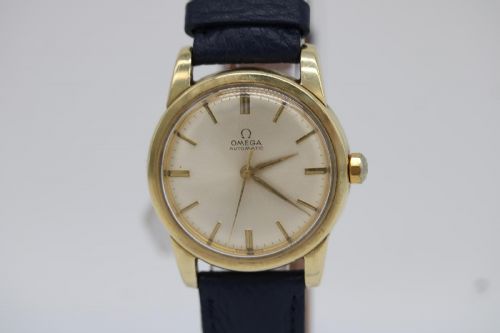
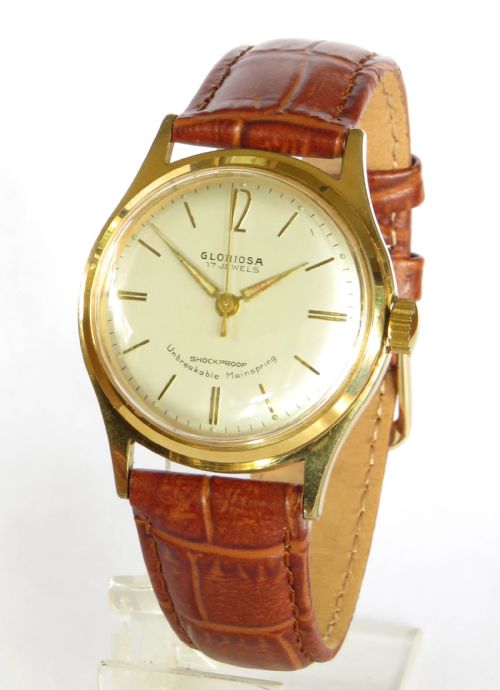
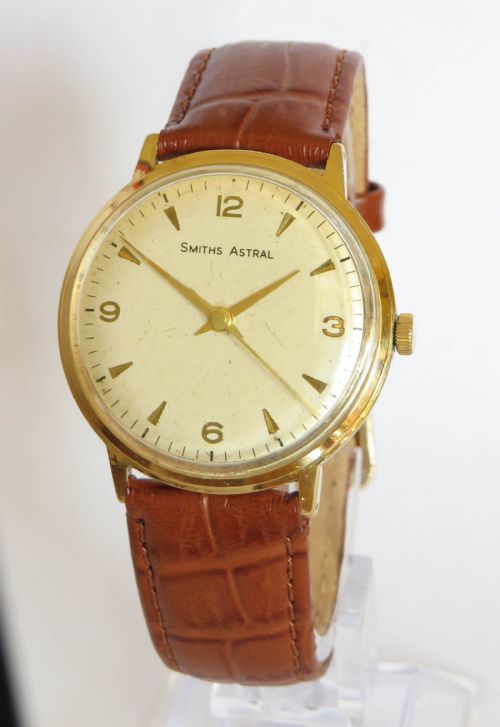
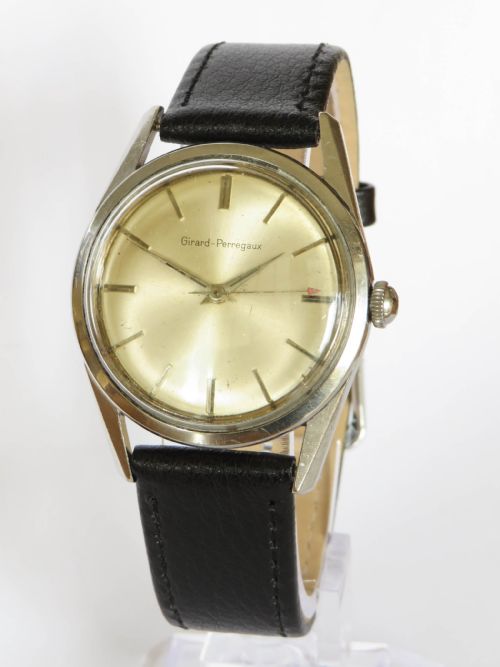
A classic analogue timepiece takes the form of a gents wristwatch dating from the nineteen-forties, nineteen-fifties, and nineteen-sixties. Buyers searching for a classic analogue timepiece will find wristwatches originating from British, Swiss, and French makers during the mid-century period.
The selections span manual wind movements and automatic calibres housed in round or jumbo cases. Most examples reflect mid-century modern design principles alongside occasional art deco styling from the nineteen-forties.
Original dials feature frequently, sometimes paired with period boxes or associated straps. These wristwatches represent the everyday and dress utility of mechanical watchmaking before quartz movements dominated the market.
How they were made
Cases utilise stainless steel, chrome-plated steel, chrome, and gold plate to provide durable housings for delicate internal movements. Crystals are formed from glass and acrylic glass to protect the dial while maintaining legibility.
Straps are predominantly constructed from leather to secure the watch comfortably to the wrist. Internal mechanics rely on traditional Swiss and British manual wind and automatic movements, often featuring jewelled pivots to reduce friction.
Classic Analogue Timepiece Retail Price Guide 2026
Typical asking prices for classic analogue timepiece among the pieces listed under this phrase on Sellingantiques today, from the lower quarter to the upper quarter. They describe what is for sale here now, not the wider market.
Listings span the nineteen-forties to the nineteen-sixties, featuring stainless steel, gold plate, and leather materials across British, Swiss, and French origins.
What varies in quality
The degree of preservation across the dial and case determines the visual standing of each piece. Original dials and unpolished jumbo cases retain a higher degree of historical integrity than heavily altered components.
The mechanical sophistication of the internal calibre, from standard manual wind mechanisms to automatic movements by established makers, separates standard production items from finer examples.
Bulova·Omega·Cyma·Longines·Smiths·Eterna·Girard Perregaux
The Classic Analogue Timepiece Glossary
- Manual wind
- A mechanical watch movement that requires the wearer to manually turn the crown to tension the mainspring. This traditional method powers the watch without the use of a battery.
- Automatic
- A self-winding mechanical movement that uses a weighted rotor to wind the mainspring using the natural motion of the wearer's wrist. It removes the need for daily manual winding.
- Calibre
- The specific internal mechanism or movement model created by a watch manufacturer. Collectors often reference the calibre number to identify the exact technical specification of the watch.
- Jumbo case
- A wrist watch case that measures larger than the typical standards of its production era. These larger proportions appeal directly to modern collectors seeking a more substantial presence on the wrist.
- New Old Stock
- Unused vintage inventory preserved in its original packaging from the period of manufacture. These items display no wear from previous everyday use.
Classic Analogue Timepiece: Frequently Asked Questions
How do I wind a manual watch?
Rotate the crown clockwise between your thumb and forefinger until you feel gentle resistance. Stop turning immediately once tension builds to avoid damaging the internal spring.
Wind the watch at the same time each day to maintain consistent timekeeping. Pulling the crown outward allows you to set the hands to the correct hour.
What is an automatic wristwatch?
An automatic wristwatch contains a weighted internal rotor that spins as your arm moves throughout the day. This motion automatically winds the mainspring to power the movement.
If left unworn for a few days, the power reserve depletes and the watch stops. Simply give the crown a few manual turns or reset the time to start the movement again.
How do I date these watches?
Examine the stylistic cues of the case, numerals, and hands alongside any accompanying documentation or service history. Mid-century pieces often reflect distinct design shifts between the nineteen-forties, fifties, and sixties.
Internal movement serial numbers and case backs can provide further chronological reference points. Comparing these details against known production periods clarifies the exact era of manufacture.
Can I wear a vintage watch daily?
These timepieces can be worn regularly provided they receive appropriate care and periodic servicing. Many buyers enjoy incorporating mid-century wristwatches into daily rotations.
Vintage models generally lack modern water resistance standards and require protection from moisture and heavy impacts. Treat them with the care due to delicate mechanical objects.