
Circular Wood Tea Table
A circular wood tea table brings centuries of social history and compact, gracious form straight into your sitting room.
Circular Wood Tea Table
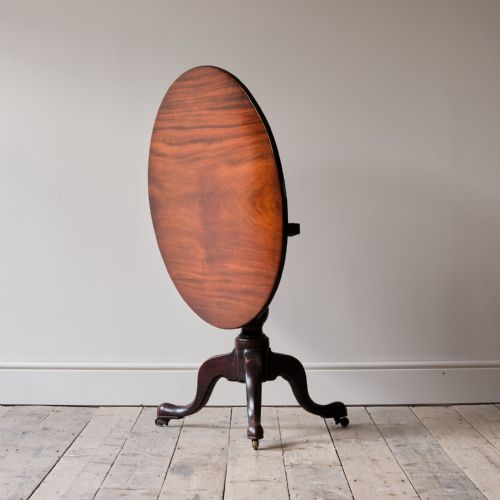
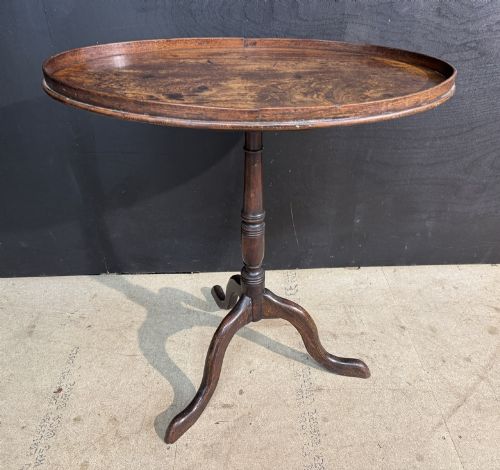
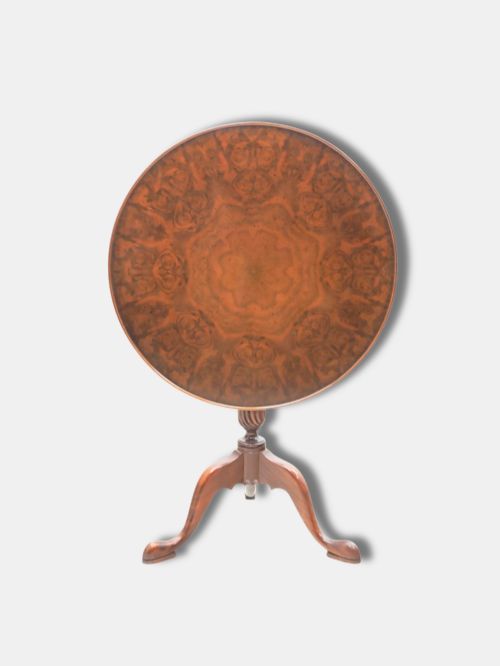
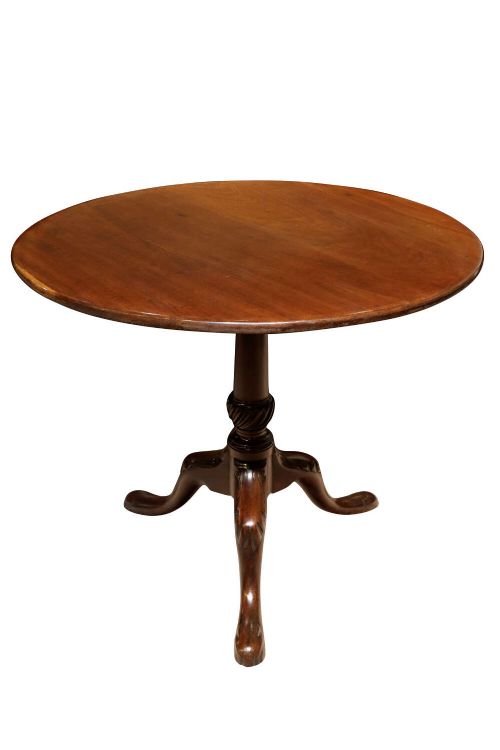
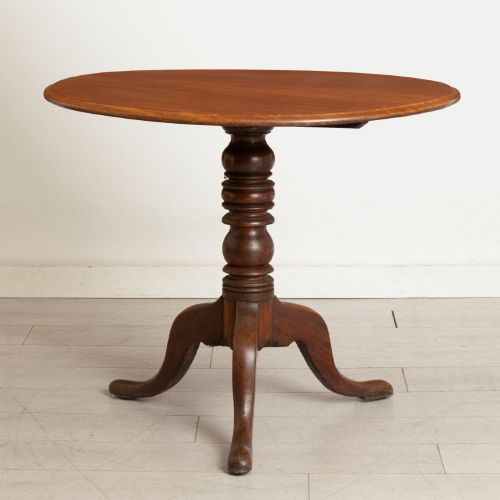
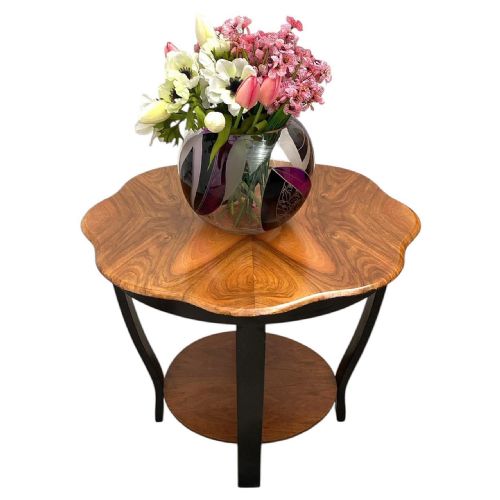
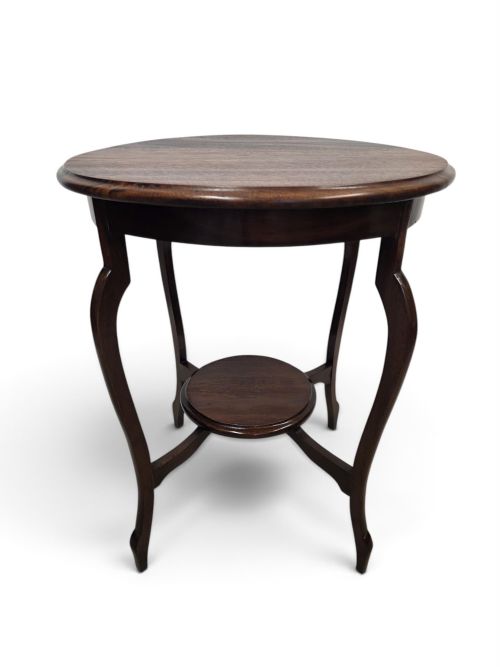
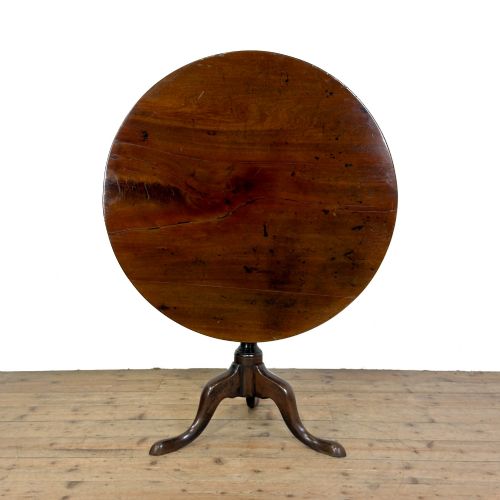
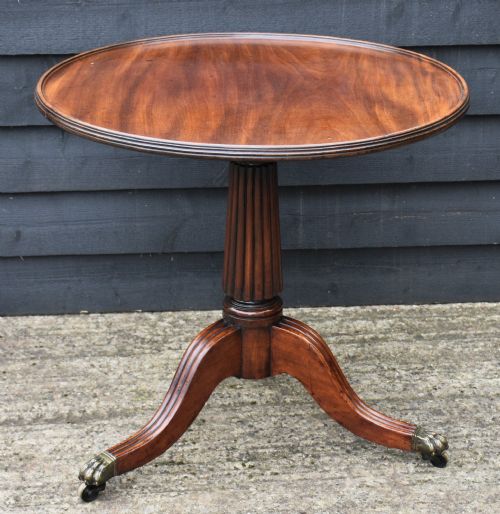
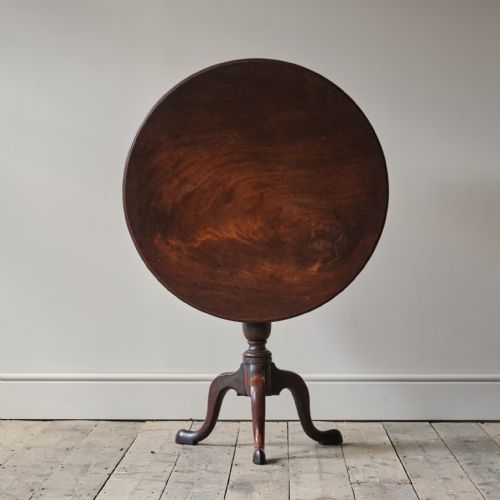
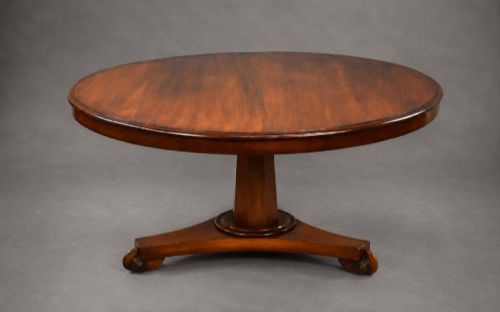
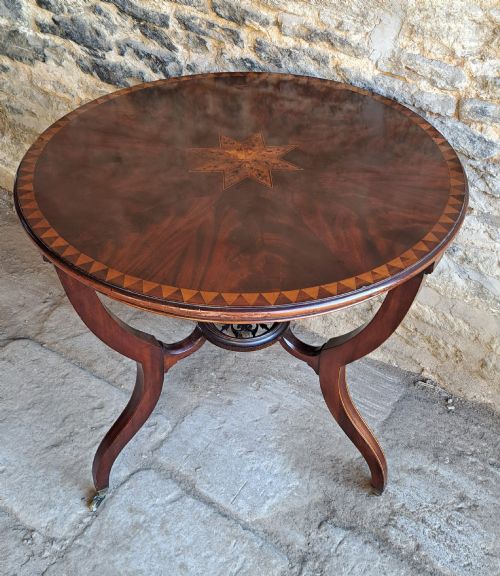
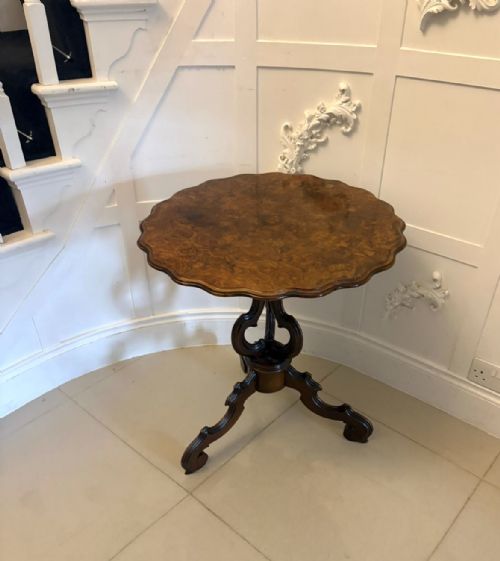
A circular wood tea table serves as a functional centrepiece with deep roots in domestic life, designed originally to hold the evening brew and now often deployed as an occasional surface or coffee table. When you search for a circular wood tea table, you encounter diverse iterations spanning the eighteenth century through the Art Deco era and beyond. Mahogany and walnut dominate the offerings, appearing frequently alongside rosewood, satinwood, and burr walnut in compact tripod formats.
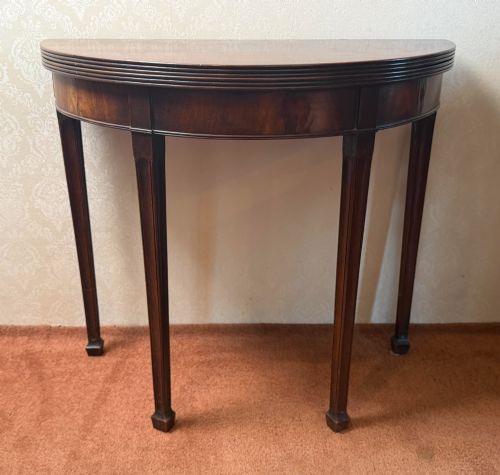
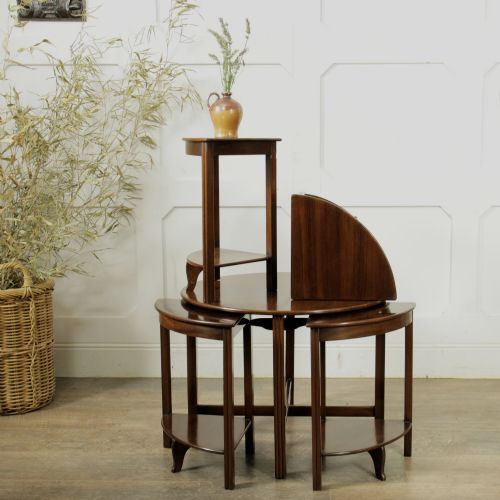
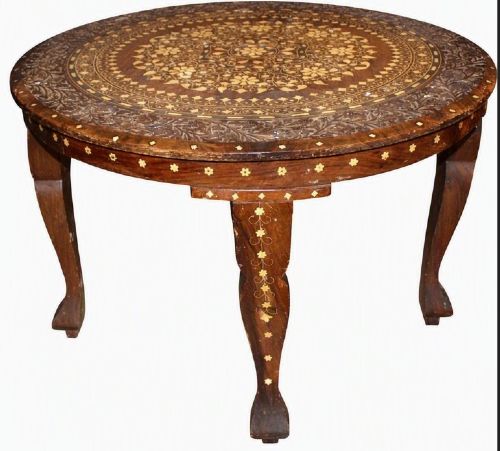
The selections on this page range from early Georgian tilt-top examples with birdcage mechanisms to Victorian and Edwardian variations, as well as distinct Anglo-Indian and Art Deco interpretations. Tripod bases with three legs feature heavily, allowing the top to tilt upright for storage against a wall when not in service. Alongside these tilting designs, buyers find static occasional tables, nesting sets, and low coffee tables adapted from earlier forms.
Materials and construction methods
Cabinetmakers relied on dense hardwoods like mahogany, walnut, and padouk, often selecting single-piece timber planks for the top to ensure a stable, unblemished circular surface. Figured veneers such as burr walnut and satinwood were applied to softwood or secondary hardwood cores, creating rich patterns across the tabletop that catch the light.
Joinery techniques prioritised stability in lightweight frames, utilising birdcage mechanisms and tilting blocks attached to central turned pillars. Three-legged tripod bases provided firm footing on uneven historic floors, joined often with dovetail or tenon joints hidden beneath polished timber surfaces.
Distinguishing quality across the range
The distinction between standard examples and superior pieces rests on the choice of timber and the dexterity of the cabinetmaker. A one-piece top cut from deeply figured mahogany or burr walnut commands greater respect than a multi-board top joined with visible seams.
Mechanisms also reveal the hand of a master maker, particularly in tilt-top and birdcage designs that move smoothly without play or wobble in the pillar. Carved details on the knees of tripod legs, delicate inlay work, and patination achieved through decades of polishing separate exceptional survivals from utilitarian workshop output.
Liberty and Co
The Circular Wood Tea Table Glossary
- Tilt-top table
- A table with a pivoting surface that can be locked horizontally for use or vertically for storage against a wall. This clever mechanism saved valuable floor space in historic drawing rooms.
- Birdcage
- A revolving wooden framework beneath the tabletop that allows the surface to both tilt and rotate independently. It represents a sophisticated piece of eighteenth-century engineering.
- Tripod base
- A pedestal support resting on three curved legs, commonly terminating in pad, claw-and-ball, or spade feet. This configuration prevents the table from rocking on uneven floorboards.
- Demilune
- Half-moon shaped, often describing fold-over tables designed to sit flush against a wall when closed. They open out into a full circle for entertaining.
- Figured wood
- Timber displaying natural decorative grain patterns, such as flame, swirl, or burr formations. Cabinetmakers prized these sections for highly visible tabletops.
Circular Wood Tea Table: Frequently Asked Questions
What was a tilt top table used for?
These tables supported evening tea service and social gatherings before being tilted vertically to clear the room for other activities. Their versatile design made them indispensable in Georgian and Victorian parlours.
Today, the tilting mechanism remains a fascinating conversation piece while allowing the furniture to tuck neatly against a wall when floor space is at a premium.
How do I date a wooden tripod table?
Dating relies heavily on leg profiles, timber choices, and construction methods like birdcage mounts or hand-cut dovetails. Georgian examples often feature slender pillars and pad feet, while later Victorian versions tend to be heavier.
Looking beneath the tabletop reveals tool marks and wood ageing that help place the piece within its historical period, from the eighteenth century to the Art Deco era.
Can I use an antique tea table for coffee?
Many smaller nineteenth-century and Art Deco circular tables sit at a height suitable for modern living rooms. They serve drinks and books admirably without requiring special modifications.
Care should be taken with historic polished surfaces, ensuring coasters are used to protect the timber from heat and moisture rings.
What is a birdcage mechanism?
A birdcage is a clever wooden cage-like structure fitted beneath the tabletop of a tripod table. It allows the surface to rotate fully and tilt upward on a pivot.
This construction method appeared frequently on finer Georgian tables, offering superior stability and convenience compared to simpler fixed pivots.