
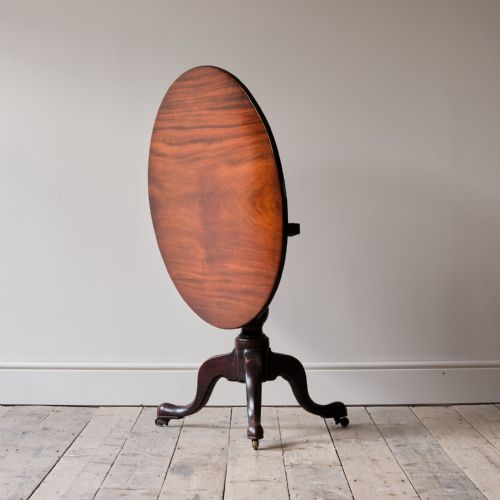
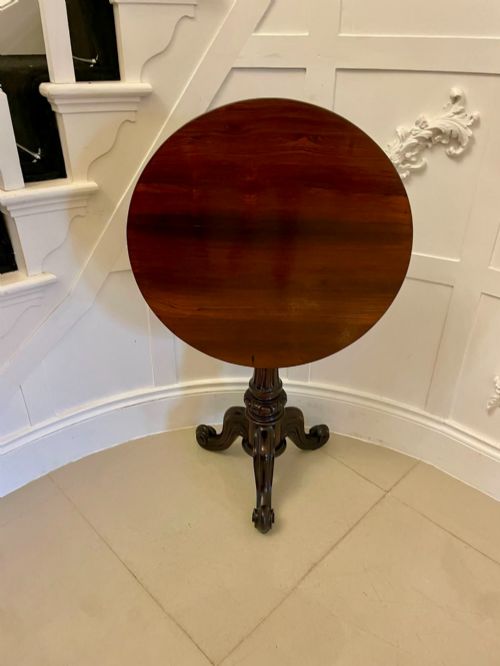
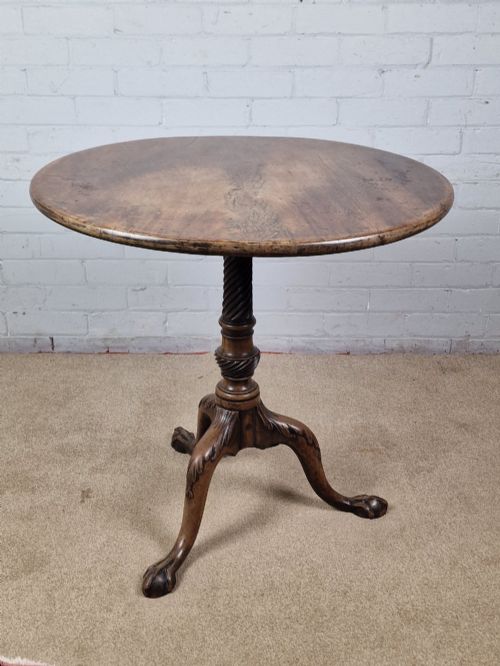


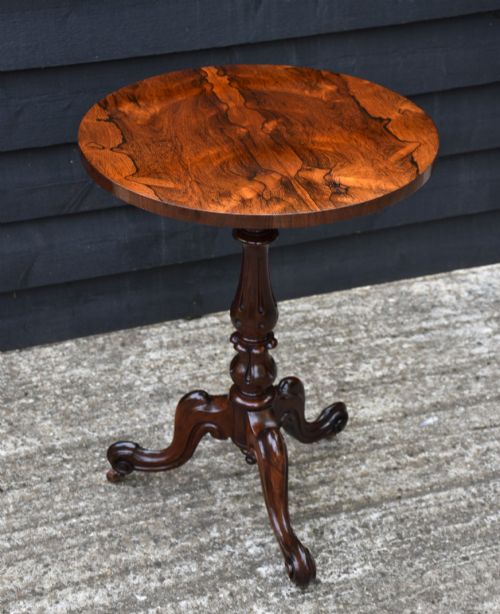
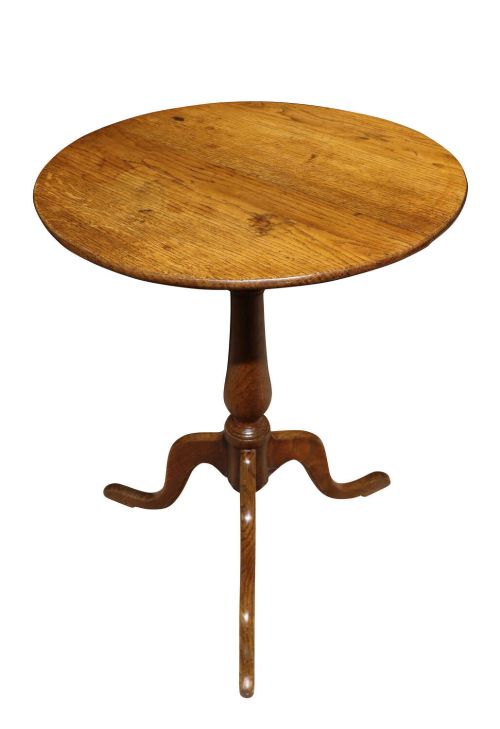
Circular Tripod Pedestal Table
A circular tripod pedestal table combines a balanced central support with a compact top, serving as a versatile piece for tea, wine or display.
Circular Tripod Pedestal Table
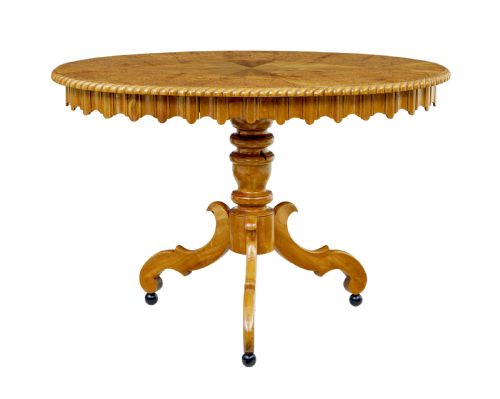
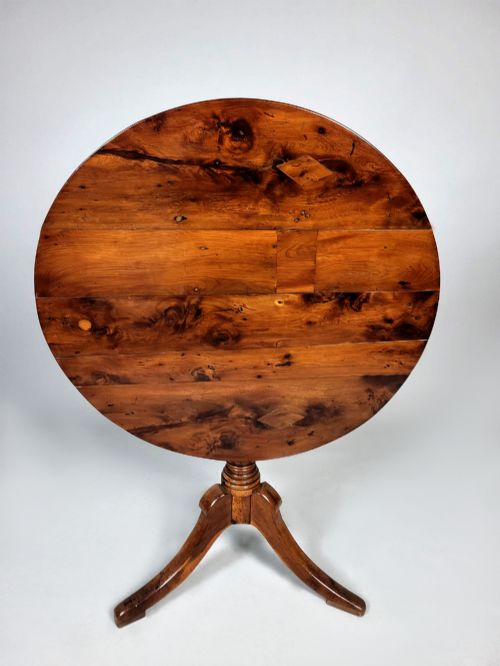
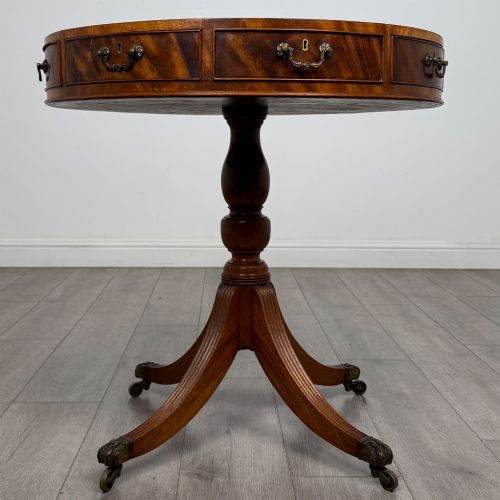
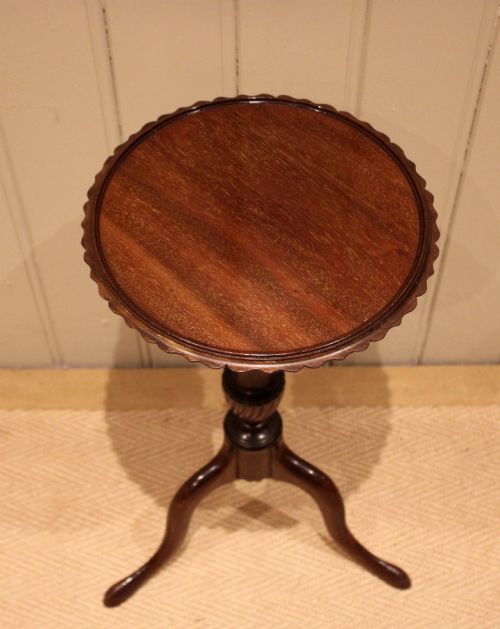
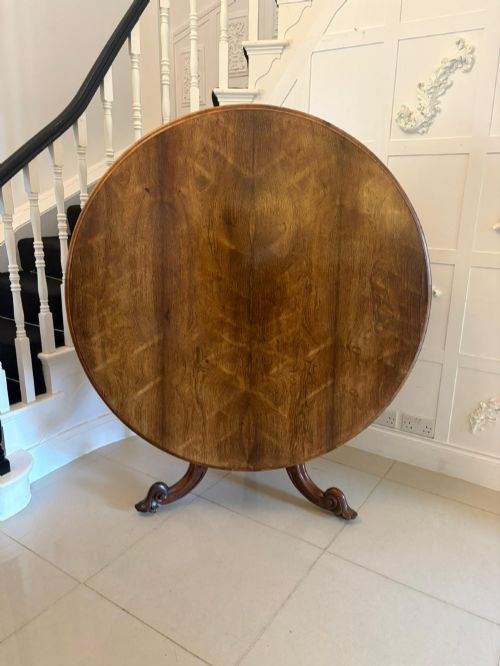
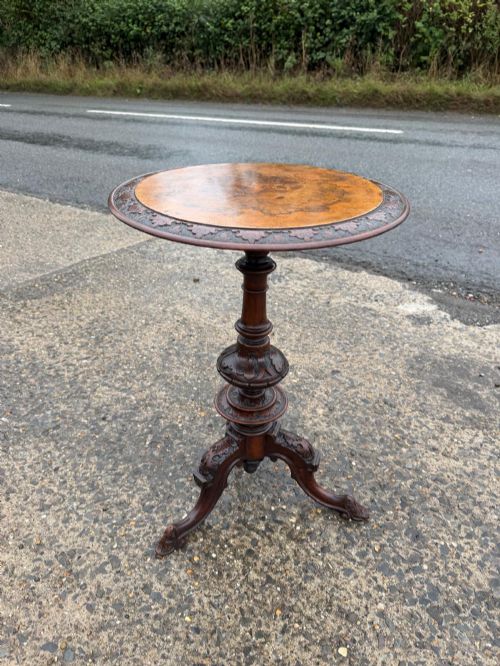
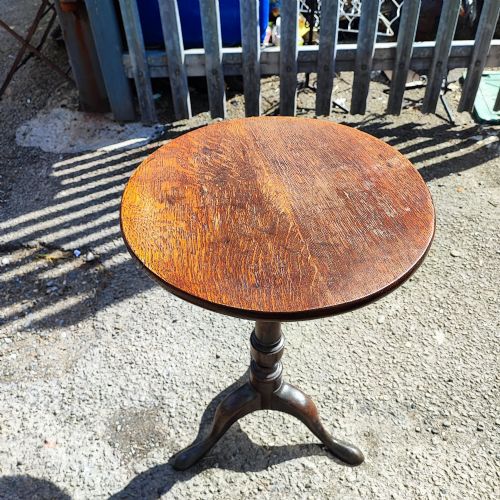
The circular tripod pedestal table stands on three legs radiating from a central pillar, supporting a round wooden top suited for various domestic uses. Examples span from the eighteenth century through the Georgian, Regency, and Victorian periods into the Edwardian era, reflecting shifting interior fashions.
Occasional tables, wine tables, and tilt-top versions dominate the forms seen in these pieces. Buyers frequently encounter mahogany and walnut constructions, often configured with snap-top or birdcage mechanisms allowing the top to pivot or fold away when not in use.
How They Were Made
Cabinet makers utilised dense native and imported timbers, primarily mahogany, walnut, and rosewood, sometimes accented with burr wood veneers or brass elements. Turning lathes shaped the central pedestals, while hand-carving defined the curves of the three-legged tripod bases.
Tilt-top and snap-top mechanisms relied on clever timber joints and metal catches to secure the circular surface to the pillar. Leather inserts, paint finishes, and marble tops also appear across specific Victorian and Georgian iterations.
Listings feature mahogany, rosewood, walnut, and oak alongside painted and leather-lined variations across Georgian, Victorian, and Edwardian periods.
What Varies in Quality
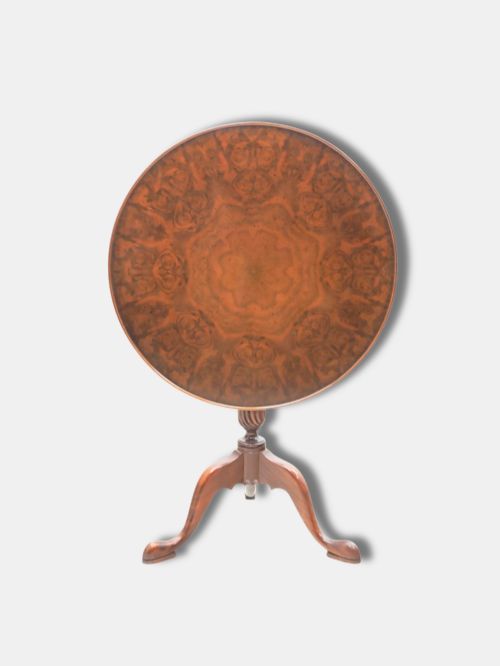
The sophistication of the timber figure and the crispness of the pedestal carving distinguish the finer examples from simpler utilitarian pieces. Select specimens display figured mahogany, burr walnut, or red walnut with rich grain patterns that elevate the visual weight of the furniture.
Structural integrity rests on the tightness of the tripod joint and the smooth operation of the tilt mechanism. Superior execution shows in balanced proportions where the three legs provide stable support without clumsy reinforcing brackets.
Gillow
The Circular Tripod Pedestal Table Glossary
- Tripod base
- A support structure comprising three legs joined to a central vertical pillar. This design allows the table to stand firmly on uneven floors.
- Tilt top
- A hinged table surface that pivots ninety degrees to rest vertically against the pedestal. It enables convenient storage in smaller spaces.
- Birdcage
- A rotating wooden frame beneath the table top that permits both pivoting and spinning actions. This mechanism is frequently found on eighteenth-century examples.
- Snap top
- A spring-loaded or catch mechanism that locks a tilting table top into the horizontal position. It prevents accidental tipping during use.
- Pie crust edge
- A decorative raised border carved into the perimeter of the circular wooden top with undulating curves. It originates in the mid-eighteenth century.
Circular Tripod Pedestal Table: Frequently Asked Questions
What is a circular tripod pedestal table used for?
These tables function primarily as occasional furniture for holding drinks, lamps, or small decorative items in living spaces and halls.
Historically, smaller versions served as wine or tea tables during evening gatherings, while larger examples acted as centre or dining tables.
How do I identify a Georgian circular table?
Georgian pieces typically feature solid mahogany or walnut construction with elegant, slender tripod legs terminating in pad, snake, or spade feet. The timber displays a deep, rich patina developed over centuries of use.
Many examples from this period incorporate tilt-top or birdcage mechanisms to save space when the room was cleared.
What is the difference between a wine table and a centre table?
Wine tables are smaller, highly portable occasional pieces designed to hold a single glass or bottle near a seating area. They easily move around a room as needed.
Centre tables are larger, heavier pieces intended to stand permanently in the middle of a room, often featuring more elaborate carving and wider pedestals.
How do I care for a rosewood or mahogany top?
Protect the polished wooden surface from direct sunlight and excessive heat fluctuations to prevent the timber from drying or cracking. Regular dusting with a soft, dry cloth maintains the natural lustre without building up heavy wax residues.
Avoid placing damp glasses directly on the bare wood by using appropriate coasters.