



Circular Rosewood Tea Table
A circular rosewood tea table anchors a room with rich grain and proportion, bringing enduring form and surface to domestic interiors.
Circular Rosewood Tea Table
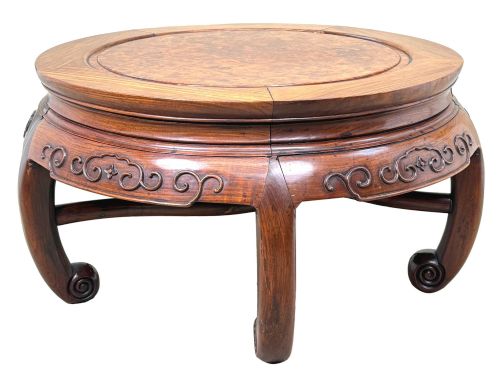
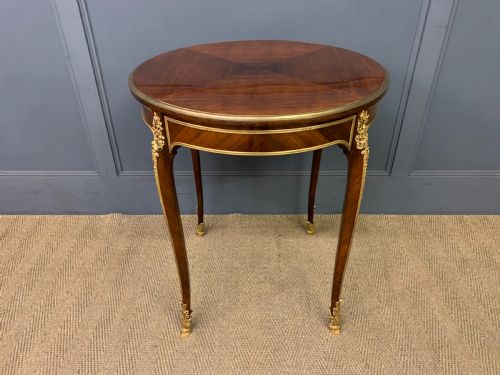
A circular rosewood tea table represents a distinct focal point in a room, combining a rounded top with a sturdy central pillar or leg arrangement. Buyers searching for a circular rosewood tea table typically encounter pieces fashioned from dense tropical hardwoods, often adapted for use as low coffee tables or grander centre tables.
The selections available on this page span the nineteenth century and the Edwardian period, alongside specific regional interpretations such as Anglo-Indian and traditional Chinese designs. These tables serve multiple functions within domestic settings, operating equally well as occasional surfaces or low coffee tables.
Makers and workshops utilised distinctive regional styles, ranging from Regency tripod forms to intricately carved Anglo-Indian examples stamped by notable firms like Liberty and Co. The variety reflects a broad geographic and chronological spread, offering buyers diverse interpretations of the circular format.
How they were made
Cabinetmakers constructed these tables using dense timbers such as rosewood, padauk, and huanghuali, often pairing the primary wood with contrasting inlay materials like bone, satinwood, and boxwood. Metal mounts in brass and ormolu frequently reinforced structural joints or decorated the feet.
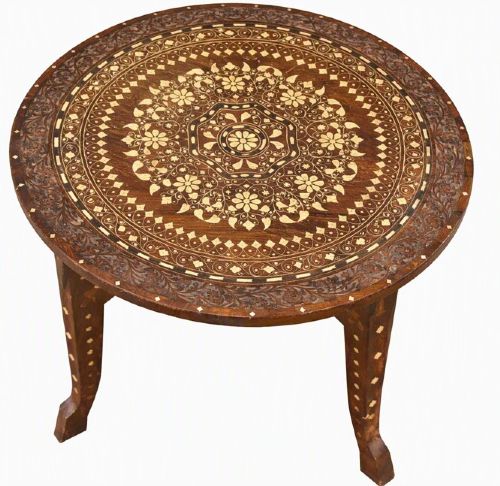
Carving technique defines a large portion of these pieces, particularly the Anglo-Indian and Chinese examples which feature intricate relief work across the timber. Turning and tripod construction methods provided stable support for the heavy circular tops during the nineteenth century.
Circular Rosewood Tea Table Retail Price Guide 2026
Typical asking prices for circular rosewood tea table among the pieces listed under this phrase on Sellingantiques today, from the lower quarter to the upper quarter. They describe what is for sale here now, not the wider market.
What varies in quality
The calibre of a table rests heavily on the depth and precision of the hand-carved ornamentation across the base and apron. Sharp, clean lines in bone inlay and crisp execution of floral or geometric motifs distinguish superior workshops from simpler production.
Material selection dictates much of the inherent value, particularly the richness of the rosewood grain and the inclusion of desirable secondary timbers like satinwood and boxwood. Maker attribution, such as stamps from firms like Liberty and Co or Gillows, elevates a piece through documented provenance.
Francois Linke·Liberty and Co·Gillows
The Circular Rosewood Tea Table Glossary
- Rosewood
- A dense, heavily figured timber prized for its dark grain and durability in fine furniture. It takes a high polish and forms the primary material for many nineteenth-century centre tables.
- Ormolu
- Gilded bronze used for decorative mounts and accents on furniture. It adds metallic contrast to dark hardwood surfaces.
- Padauk
- A heavy tropical hardwood exhibiting rich reddish-brown tones. It appears frequently in Anglo-Indian furniture production.
- Tripod base
- A support structure featuring three legs radiating from a central column. This arrangement provides stability for circular table tops.
- Inlay
- A technique where contrasting materials like bone, satinwood, or boxwood are inserted into recesses within the primary wood surface to create decorative patterns.
Circular Rosewood Tea Table: Frequently Asked Questions
Where did these tables originate?
The listings encompass both British cabinetmaking traditions and distinct regional styles from overseas workshops. Pieces range from Regency workshop productions to Anglo-Indian and traditional Chinese creations.
Craftsmen adapted local timbers and decorative techniques to suit British and international domestic tastes throughout the nineteenth and early twentieth centuries.
How do I style a circular table?
A circular surface breaks the linear geometry of modern rooms by introducing soft, organic curves. Placing one in the centre of a space creates natural pathways around the perimeter.
These tables function well as display surfaces for lamps, books, or tea services, depending on their height and structural form.
What is the difference between an occasional table and a centre table?
Occasional tables generally occupy secondary positions against walls or beside seating, offering smaller surfaces for light use. Centre tables command the middle of a room as substantial architectural focal points.
Proportion and height usually dictate this distinction, with centre tables often featuring heavier pedestal bases designed to be viewed from all sides.
How do I identify an Anglo-Indian piece?
Anglo-Indian tables typically feature dense surface carving depicting flora, fauna, or geometric tracery. They frequently incorporate contrasting bone inlay within the dark hardwood body.
Maker marks or stamps from retailers like Liberty and Co occasionally verify the origin and import history of these specific items.