
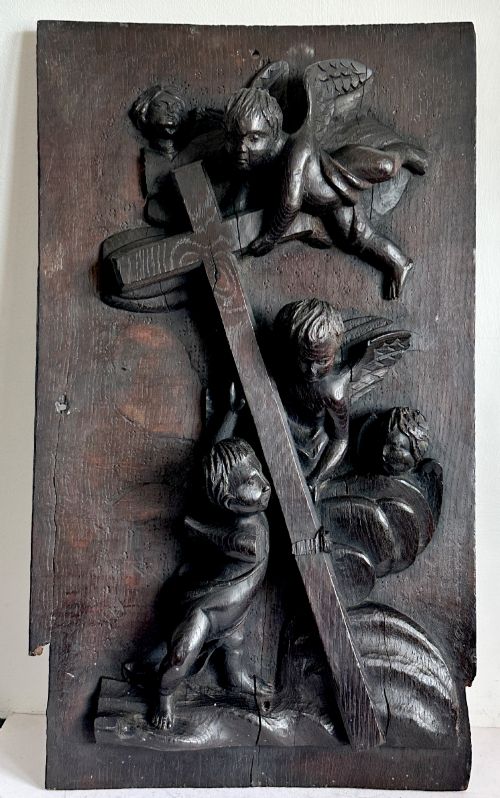
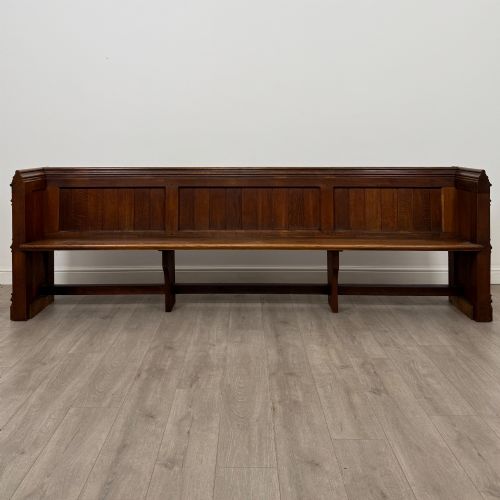


Church Carved Oak Panel
A church carved oak panel brings centuries of devotion, architectural grain and historic joinery straight into a modern interior.
Church Carved Oak Panel
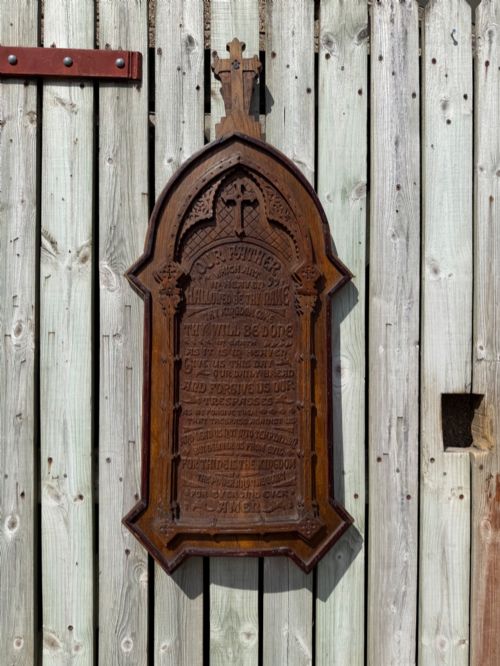
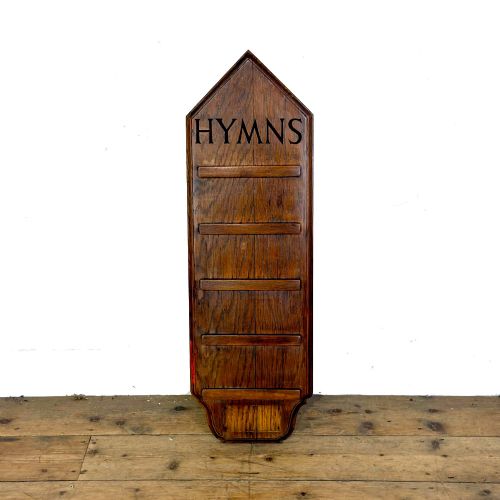
A church carved oak panel originates from larger ecclesiastical settings, including bench ends, altarpieces, screens, pews and ceiling bosses. These architectural fragments display religious iconography, heraldic motifs and secular carvings produced across several centuries.
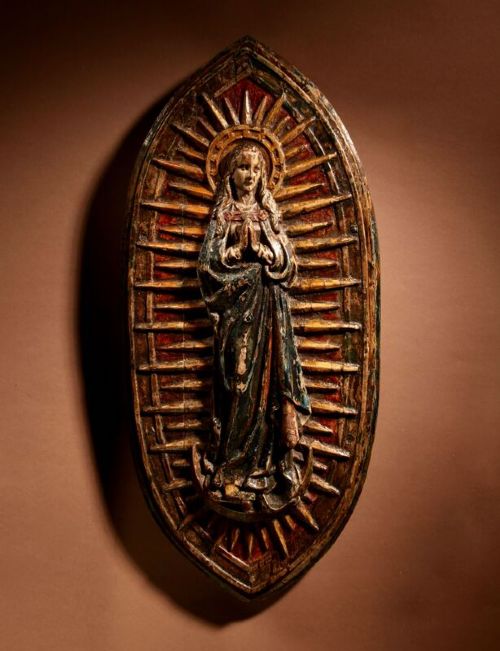
The pieces appearing on this page range from small geometric ceiling bosses and tracery panels to large figural reliefs depicting saints, angels and biblical scenes. Earlier examples date back to the sixteenth century, while nineteenth-century Gothic Revival pieces replicate these medieval forms.
How they were made
Makers shaped these panels primarily from solid timber, utilising heavy oak boards that responded well to deep chiselling and relief work. Artisans also integrated materials such as polychrome paint, gold leaf, brass and leather accents on specific liturgical elements.
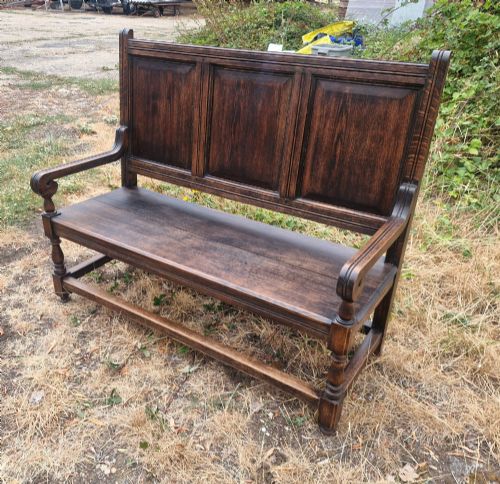
Techniques relied on hand-carving methods, incorporating pierced tracery, linenfold patterns and high-relief figures cut directly into the timber. Carpenters joined larger seating forms using traditional pegged mortise and tenon joints.
Angels, mythical beasts, saints and serpents peer out from the woodwork across these centuries of ecclesiastical carving.
What varies in quality
Quality rests in the depth and sharpness of the hand-carved detail, distinguishing fluidly rendered figures and crisp tracery from mechanical or later imitation work. The precision of the chisel work on faces, drapery and botanical motifs dictates the artistic merit of each fragment.
The integrity of the timber and the survival of original surface treatments, such as early polychrome remnants or untouched patination, determine the historic standing of the panel.
The Church Carved Oak Panel Glossary
- Tracery
- Openwork stonework ornamentation translated into wooden panels, forming geometric patterns and pointed arches. This design element frequently defines Gothic church screens and windows.
- Poppy head
- An ornamental finial carved on the top of a bench end or pew arm, often shaped like a stylised leaf, flower or mythical beast.
- Ceiling boss
- A decorative projecting block placed at the intersection of rib vaulting, commonly carved with foliage, angels or heraldic symbols.
- Linenfold
- A style of wood carving that mimics folded fabric or linen, frequently seen on late medieval and Tudor panels.
- Romayne panel
- A type of Renaissance panel featuring a carved medallion enclosing a human profile head, popular during the sixteenth century.
Church Carved Oak Panel: Frequently Asked Questions
How were church carved oak panels originally used?
These panels served structural and decorative functions inside places of worship, forming parts of pews, screens, altarpieces and ceilings. They denoted sacred spaces and often instructed congregations through visual biblical narratives.
Over time, many ecclesiastical interiors were altered, releasing these carved sections into private collections and secular buildings.
How do I hang a heavy oak panel?
Wall-mounted panels require robust fixings attached to structural studs or masonry walls, using concealed metal brackets designed to support substantial timber weight.
Ensure the weight distributes evenly across the hanging hardware to protect both the wall and the antique wood.
How do I tell sixteenth-century panels from nineteenth-century revivals?
Sixteenth-century pieces display genuine tool marks, structural wear, shrinkage patterns and dry, dense timber built with period joinery methods. Nineteenth-century Gothic Revival panels often utilise machine assistance or show consistent, uniform patination.
Examining the back of the panel reveals the tool signatures and construction techniques characteristic of each era.
How do I care for historic oak panels?
Keep carved panels away from direct heat sources and rapid humidity fluctuations to prevent the oak from splitting or warping over time. Dust the carved recesses gently with a dry, soft brush.
Avoid applying modern polishes or oils, as these can accumulate in the carved details and darken the historic surface.