

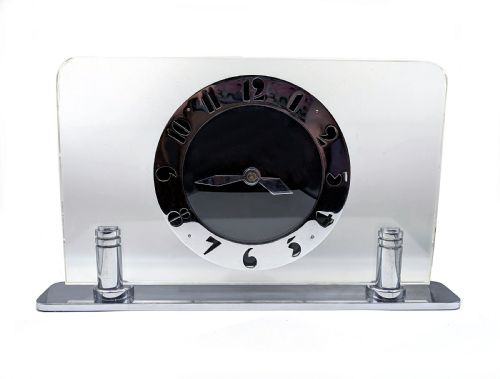


Chrome Mechanical Clock
A chrome mechanical clock brings sharp industrial lines and reliable spring-driven timekeeping into any room.
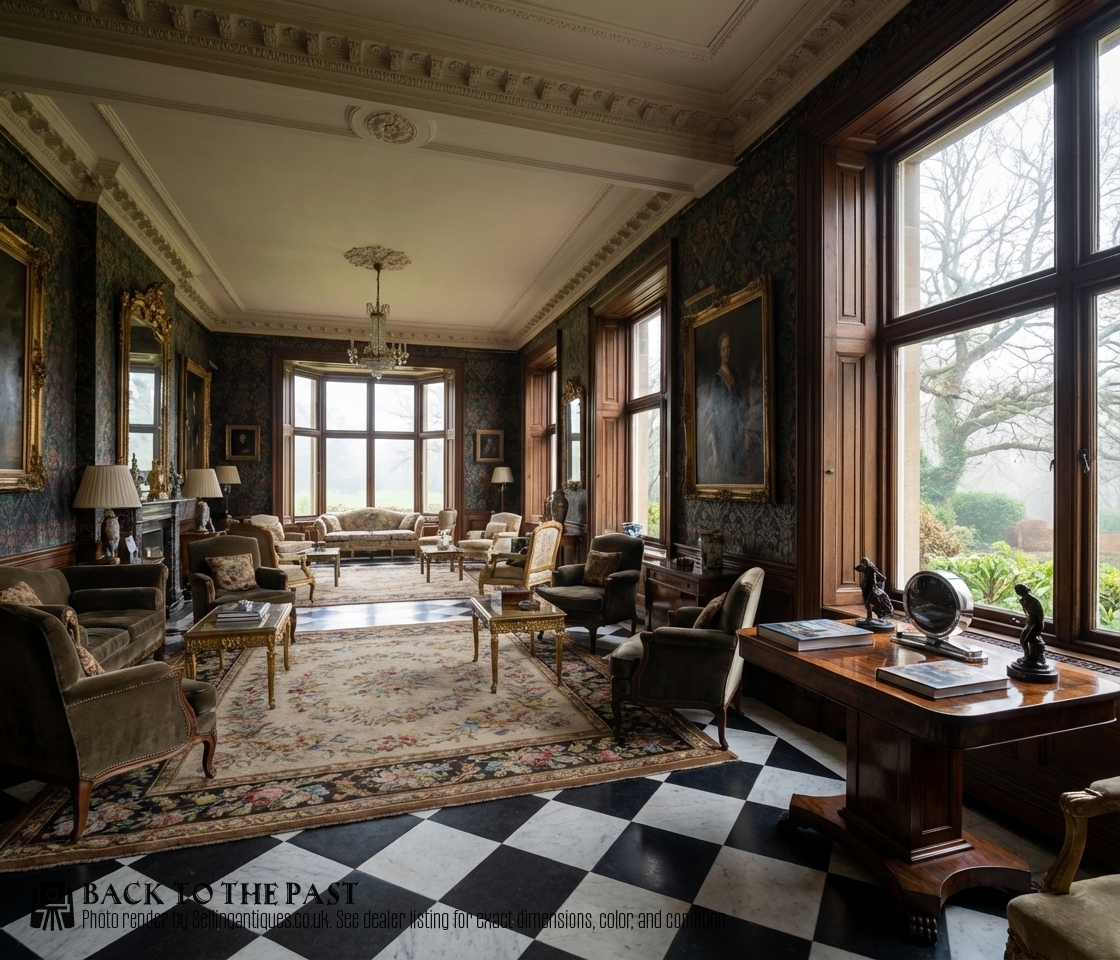
Chrome Mechanical Clock
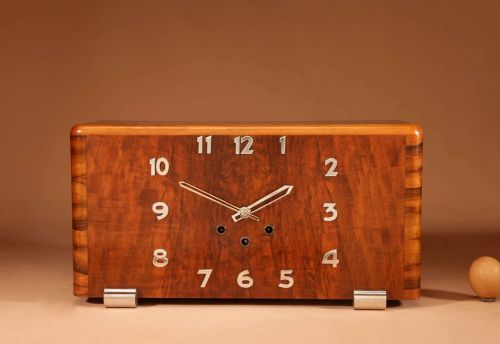
When you search for a chrome mechanical clock, you encounter timepieces shaped largely by the design movements of the twentieth century. The selection on this page leans heavily toward Art Deco mantel and desk models alongside mid-century pieces, originating from workshops across England, France, Germany, and Switzerland.
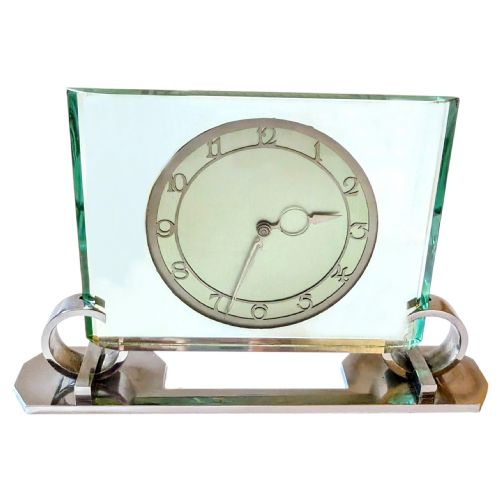
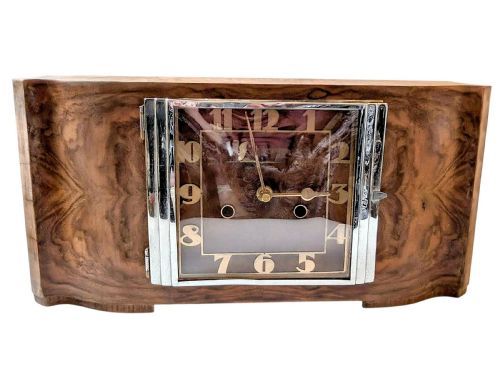
Mantel clocks and smaller desk clock formats dominate the available objects, often pairing metal housings with glass, wood, or colourful synthetic resins. These designs range from geometric modernist units to architectural Westminster chiming clock cases intended for prominent display in domestic interiors.
Materials and construction methods
Makers built these pieces using durable metal chassis finished with chrome plating, nickel plating, or rhodium plating to achieve a bright, reflective surface. This metallic gleam was frequently contrasted against warm organic materials like walnut and oak, or contrasting synthetics such as bakelite and glass.
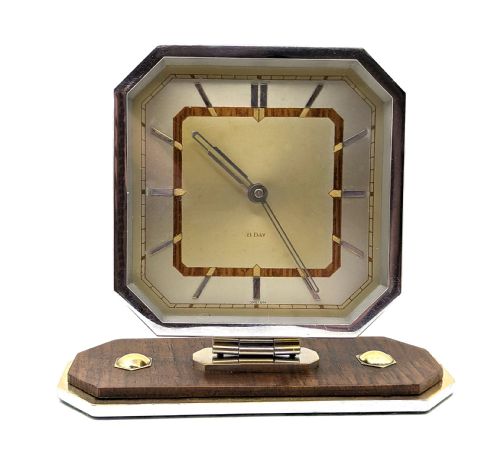
Movements were mechanically driven, relying on wind-up springs, eight-day mechanisms, or specialised atmospheric power. Clockmakers housed these internal components within robust frames designed to support both simple time display and complex chiming or alarm functions.
Chrome Mechanical Clock Retail Price Guide 2026
Typical asking prices for chrome mechanical clock among the pieces listed under this phrase on Sellingantiques today, from the lower quarter to the upper quarter. They describe what is for sale here now, not the wider market.
Listings feature items primarily from the 1930s, utilising materials such as chrome, glass, walnut, and bakelite in desk and mantel clock forms.
Distinctions in manufacture and execution
Quality in these timepieces rests upon the precision of the movement and the integrity of the casing. Higher grade examples feature signed mechanical movements from established makers, retaining crisp plating on the metal elements and unblemished glass or wood surrounds.
Lesser pieces show wear to the metallic finish or lack the refined proportions and architectural detailing seen in superior modernist and Art Deco designs. The execution of auxiliary functions like alarms or chimes further separates standard production items from finer workshop output.
Smiths Clockmakers·Harrods of London·Junghans·Jaeger Le Coultre·Kienzle
The Chrome Mechanical Clock Glossary
- Atmos clock
- A mechanical clock driven by changes in temperature and atmospheric pressure, requiring no manual winding. These Swiss timepieces represent significant engineering achievements.
- Mantel clock
- A household clock designed to stand upon the shelf or mantel above a fireplace. They are typically larger than desk clocks and often incorporate striking or chiming mechanisms.
- Bakelite
- An early form of thermosetting plastic frequently moulded into colourful, geometric cases during the twentieth century. It provides a smooth, durable contrast to bright metal elements.
- Eight-day movement
- A clock mechanism designed to run for eight days on a single winding. This feature reduced the frequency required for manual maintenance by the owner.
Chrome Mechanical Clock: Frequently Asked Questions
How do I wind a mechanical clock?
Most of these pieces require a dedicated key or a manual twist of the bezel to tension the internal mainsprings. Care should be taken not to overwind the mechanism.
Ensuring the clock rests on a level surface helps the pendulum or balance wheel maintain an even beat and accurate timekeeping.
Where should I place a desk clock?
Desk clocks suit prominent surfaces where their metallic finishes and geometric forms can be appreciated, such as a study desk, side table, or mantelpiece.
Avoid placing them in areas subject to excessive moisture or direct sunlight, which can affect both the exterior finish and the delicate internal lubricants.
What is an eight-day movement?
An eight-day movement is a mechanical system engineered to run continuously for slightly over a week before needing another wind. This reduced the daily chore of keeping the clock running.
Many clocks from this era utilised this extended power reserve for convenience in busy households.
How do I identify an Art Deco clock?
Art Deco clocks are characterised by clean geometric lines, symmetrical shapes, and a modernist aesthetic that often combines chrome with glass, wood, or bakelite.
They frequently feature stylized numerals and streamlined silhouettes that reflect the design trends of the interwar period.