





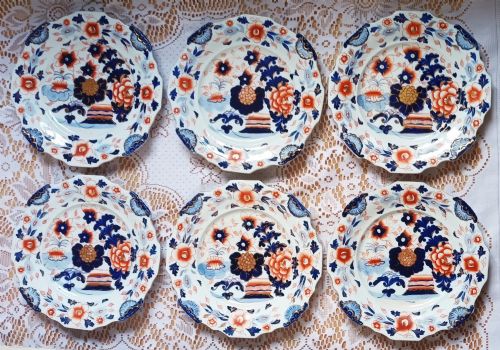



Chinoiserie Wall Display
These chinoiserie wall display pieces bring hand-painted narrative scenes and oriental motifs directly into domestic rooms.
Chinoiserie Wall Display
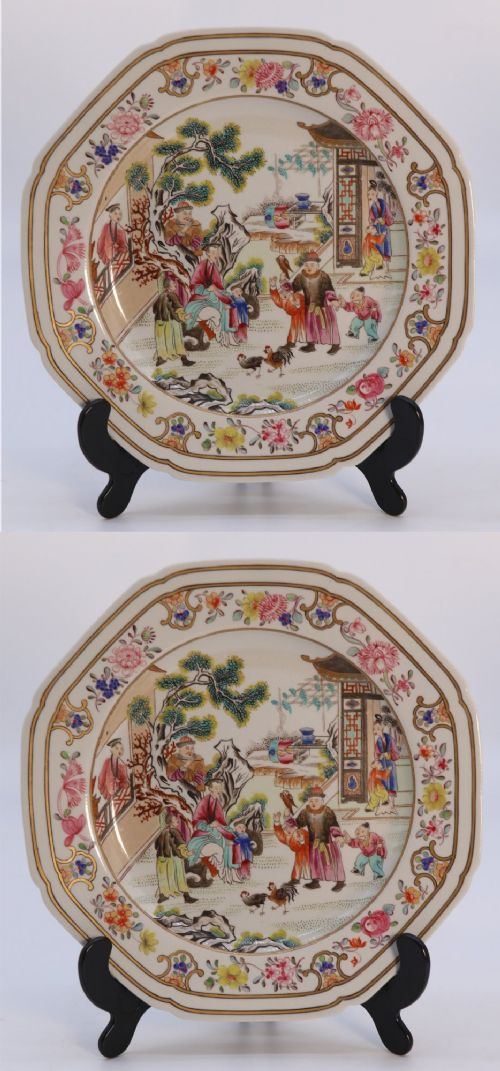
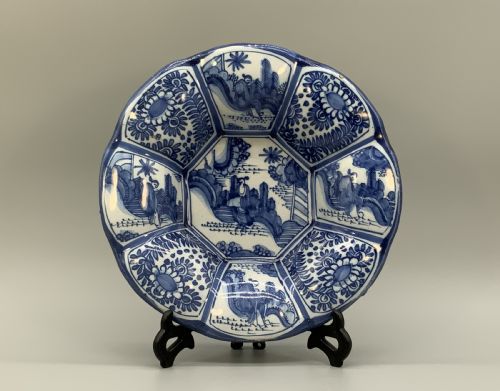
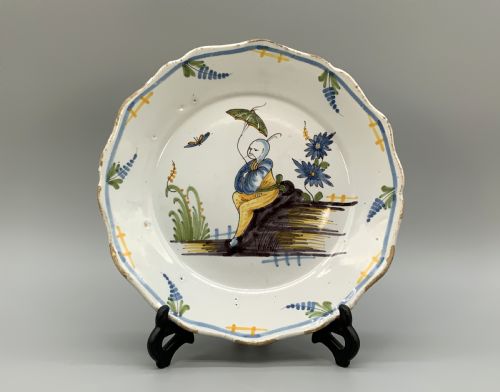
A chinoiserie wall display gathers decorative chargers, plates, and hanging shelves rooted in European interpretations of East Asian design. Buyers search this phrase to find chargers and plates intended for mounting, alongside hanging wooden shelves designed to hold objects.
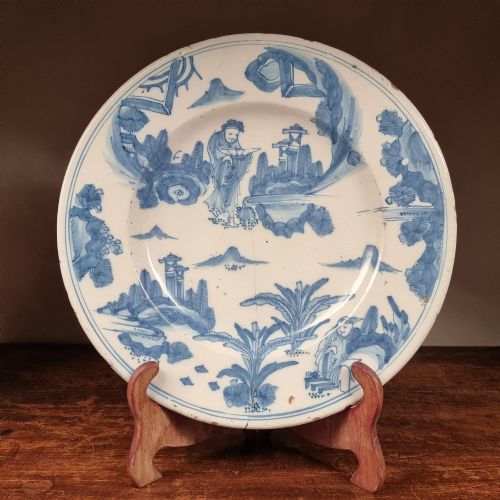
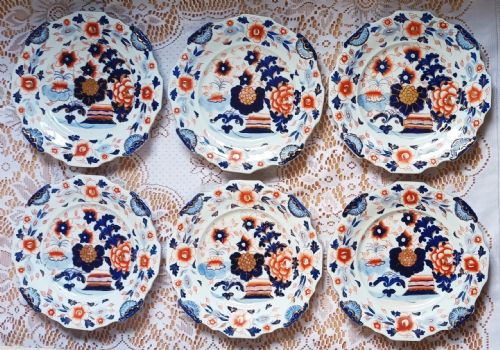
The selections span seventeenth-century delftware through to Edwardian ironstone and lacquered hanging shelves. English and continental factories produced earthenware, ceramic, and ironstone dishes featuring cobalt pigment and polychrome enamels.
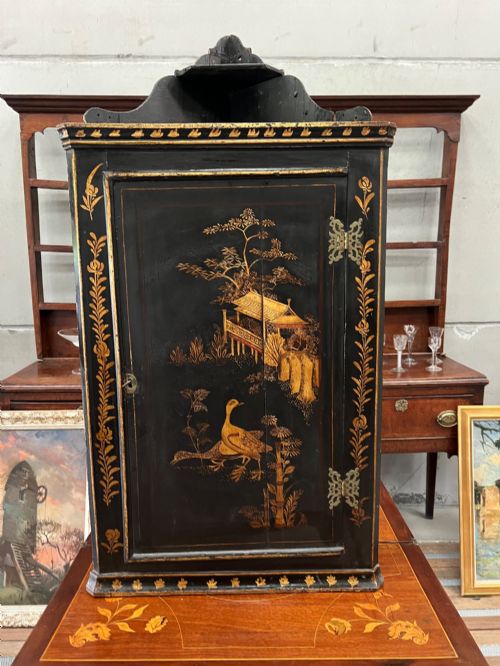
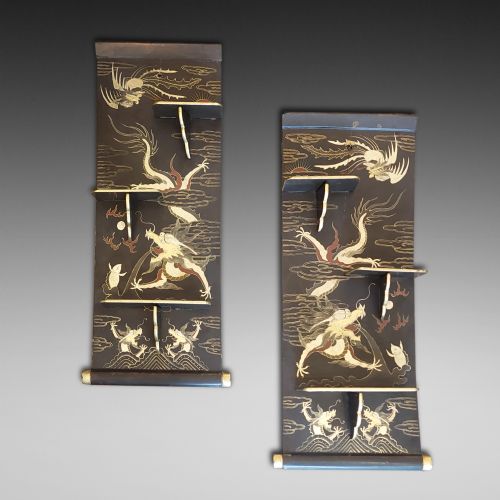
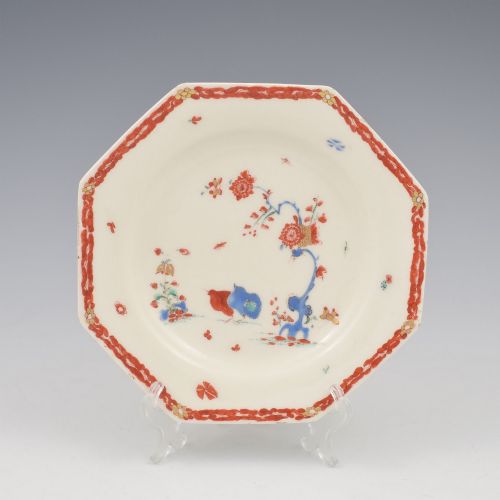
The dominant forms are circular chargers and octagonal cabinet plates designed for vertical display on walls. These sit alongside Chinese lacquered hanging shelves and corner cupboards providing structural display space.
Materials and Techniques
Potters utilised earthenware, stoneware, and ironstone as the structural bodies for plates and chargers. These surfaces received tin glaze or enamel coatings before artists applied hand-painted cobalt pigment and gold leaf.
Makers employed transfer printing and hand-brushing to render exotic birds, floral arrangements, and oriental figures. Hanging shelves and display frames relied on joined timber, lacquer work, and carved soapstone details.
Chinoiserie Wall Display Retail Price Guide 2026
Typical asking prices for chinoiserie wall display among the pieces listed under this phrase on Sellingantiques today, from the lower quarter to the upper quarter. They describe what is for sale here now, not the wider market.
Several plates depict exotic birds and two quail patterns, bringing centuries-old feathered observers straight into modern living rooms.
Gradations of Quality
Quality rests upon the crispness of the hand-painted brushwork and the vibrancy of the cobalt pigment or polychrome enamel. Superior examples exhibit precise detailing in exotic bird and floral motifs without blurring or pooling.
The integrity of the tin glaze and the stability of the ceramic body dictate longevity. Cabinet plates with rich gold leaf and intact ironstone bodies demonstrate higher manufacturing ambition than standard wares.
Spode Stone China·Worcester Flight Barr And Barr·John Ridgway·Masons Patent Ironstone·Minton
The Chinoiserie Wall Display Glossary
- Charger
- A large decorative plate intended for vertical display on a wall rather than use at the dining table. These items measure substantially larger than standard dinner plates.
- Tin Glaze
- An opaque white ceramic glaze containing tin oxide that provides a smooth canvas for painted decoration. This technique defines European delftware production.
- Ironstone
- A dense, durable type of earthenware patented in the nineteenth century to imitate porcelain. It provides a robust body for heavily patterned cabinet plates.
- Chinoiserie
- European artistic styles reflecting Chinese and East Asian motifs through Western imagination. Artisans applied these designs to ceramics, furniture, and wall displays.
- Cobalt Pigment
- A metallic blue colouring agent used under the glaze to create deep blue scenes on ceramics. It withstands high firing temperatures without losing definition.
Chinoiserie Wall Display: Frequently Asked Questions
How were ceramic chargers hung on walls?
Historic chargers often featured pierced footrings or were secured with specialised wire wall hangers designed to grip the rim.
Modern display requires padded clips that distribute weight evenly across the ceramic body without causing stress fractures.
What distinguishes ironstone from porcelain?
Ironstone is a heavy, opaque semi-vitreous earthenware developed in the nineteenth century for durability. Porcelain is finer, vitrified, and exhibits greater translucency when held to light.
Both materials accommodated the vibrant oriental patterns favoured for wall presentation.
How do I care for antique wall shelves?
Dust timber and lacquered hanging shelves regularly with a dry, soft brush to protect delicate surfaces. Avoid moisture and direct sunlight to prevent lacquer crazing and wood warping.
Ensure wall fixings match the weight capacity of the loaded shelves.
Are delftware plates suitable for daily dining?
Delftware plates from the seventeenth and eighteenth centuries are primarily decorative antiquities with soft tin glazes. Utnesil use risks scratching the hand-painted cobalt and polychrome surfaces.
Display them securely on walls or within cabinets to preserve the glaze integrity.