






Chinoiserie Ceramic Vessel
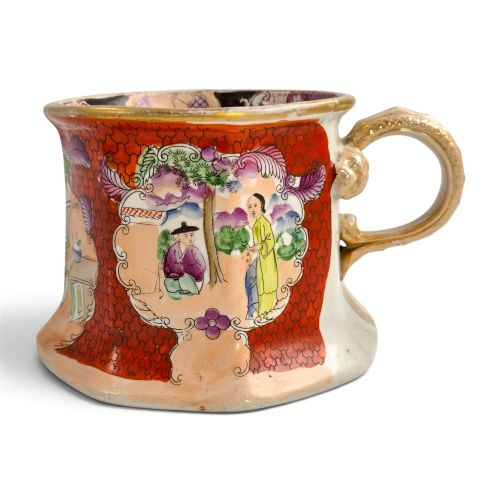
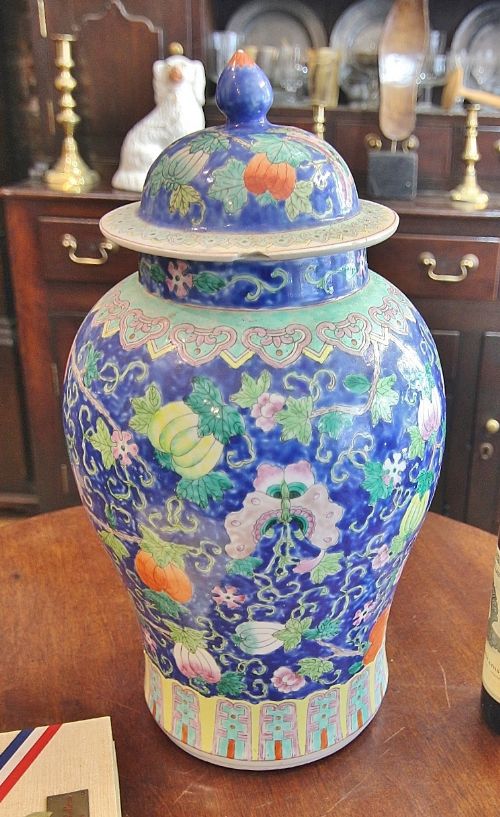
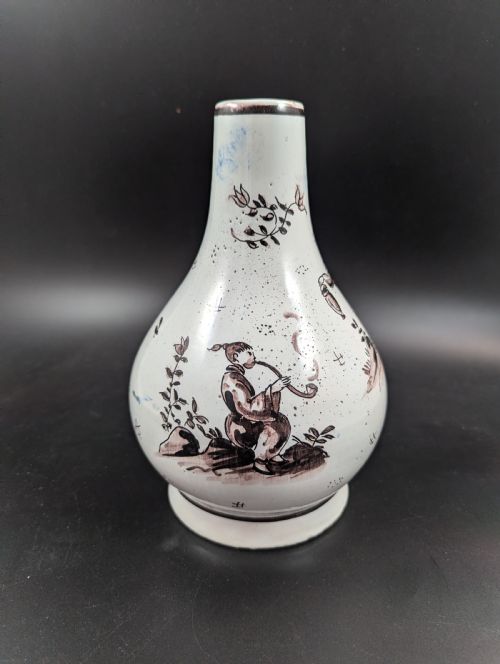
These chinoiserie ceramic vessel pieces bring decorative Eastern motifs into European forms, offering a striking display of historic craftsmanship that catches the eye in any room.
Chinoiserie Ceramic Vessel
A chinoiserie ceramic vessel combines European ceramic forms with decorative motifs inspired by Chinese art and design. When you search for a chinoiserie ceramic vessel, you encounter objects created across several centuries, reflecting changing tastes from the Regency period through to the mid-twentieth century.
The selections available here span diverse utilitarian and decorative objects, including ginger jars, tea caddies, table lamps, jardinières, and various forms of vases. Continental European factories and English potteries both produced these items, adapting traditional styles into tin-glazed earthenware, ironstone, and porcelain.
The forms range from large floor-standing vessels and covered urns down to smaller beaker shapes and handled table pieces. Examples frequently display blue and white underglaze painting, polychrome enamels, or rich cobalt grounds influenced by Qing Dynasty aesthetics.
How they were made
Potters shaped these vessels using traditional ceramic bodies including porcelain, ironstone, and tin-glazed earthenware. Artisans formed the clay by throwing on a wheel or moulding in sections, particularly for larger items such as jardinières and covered urns.
Makers applied decoration through handpainted underglaze blue, vibrant enamel colours, and occasional gilding to highlight raised details. Firing techniques varied according to the material, with porcelain requiring high temperatures to achieve vitrification while earthenware received tin glazes for an opaque white surface.
Chinoiserie Ceramic Vessel Retail Price Guide 2026
Typical asking prices for chinoiserie ceramic vessel among the pieces listed under this phrase on Sellingantiques today, from the lower quarter to the upper quarter. They describe what is for sale here now, not the wider market.
The inventory spans eighteenth-century tin-glazed pottery, nineteenth-century ironstone, and twentieth-century porcelain ginger jars.
What varies in quality
The standard of a chinoiserie ceramic vessel rests upon the precision of the handpainted brushwork and the clarity of the glaze. Superior examples exhibit confident, detailed brush strokes that capture intricate figures, foliage, and architectural motifs without blurring or pooling.
Material choice and potting skill also dictate value, with fine translucent porcelain and early ironstone bodies holding greater distinction than heavier, simpler earthenware. Furthermore, the crispness of moulded relief details and the successful integration of gilding distinguish masterwork studio pieces from standard commercial output.
Carlton Ware·Royal Doulton·Herend·Miles Mason·Mason’s
The Chinoiserie Ceramic Vessel Glossary
- Chinoiserie
- European artistic style and decorative interpretation influenced by Chinese and East Asian design traditions. It appears across ceramics, furniture, and textiles from the seventeenth century onwards.
- Ironstone
- A heavy, durable type of earthenware patented in the nineteenth century by English manufacturers like Mason's. It resists chipping and provides a strong white canvas for transfer-printed or handpainted decoration.
- Tin-glazed pottery
- Earthenware coated with a glaze containing tin oxide, which fires to an opaque white finish. This technique underpins Dutch Delftware and earlier European imitations of blue and white porcelain.
- Ginger jar
- A ceramic vessel originally used in China for storing and transporting spices and herbs, later adopted in Europe purely for decorative purposes. They typically feature a wide shoulder and a domed cover.
- Underglaze blue
- Pigment, usually cobalt oxide, applied directly to the unfired ceramic body before the transparent glaze is applied. The piece is then fired at a high temperature, sealing the blue design permanently beneath the glossy surface.
Chinoiserie Ceramic Vessel: Frequently Asked Questions
What is a chinoiserie ceramic vessel?
It is a pottery or porcelain piece made in Europe that incorporates decorative styles and motifs inspired by traditional Chinese art.
These items range from functional tea caddies and ginger jars to large decorative vases and jardinières produced over several centuries.
How do I care for antique ceramics?
Keep delicate vessels out of direct sunlight to prevent enamel colours from fading over many years.
Dust them gently with a soft dry cloth and avoid using harsh chemical cleaners or submerging pieces with exposed gilding in water.
How do I identify different periods?
Study the base for maker marks, underglaze seals, and regional stamps that correspond to specific nineteenth and twentieth-century potteries.
Material composition, such as heavy ironstone versus fine porcelain, also helps narrow down the production era.
Were these vessels used daily?
Some items, such as tea caddies and ginger jars, served practical storage purposes in domestic households.
Others were created strictly as ornamental display pieces to adorn mantelpieces, side tables, and entrance halls.