



Chinoiserie Bamboo Furniture
Chinoiserie bamboo furniture brings together European decorative motifs and eastern materials to create distinctive seating, tables and storage.
Chinoiserie Bamboo Furniture
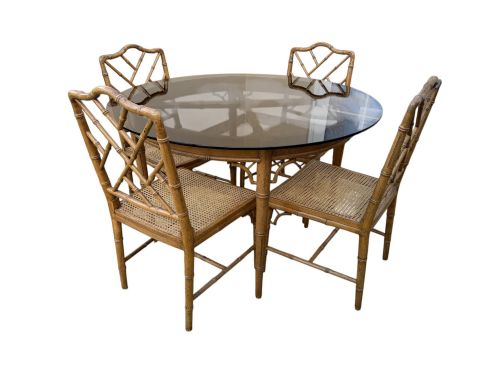
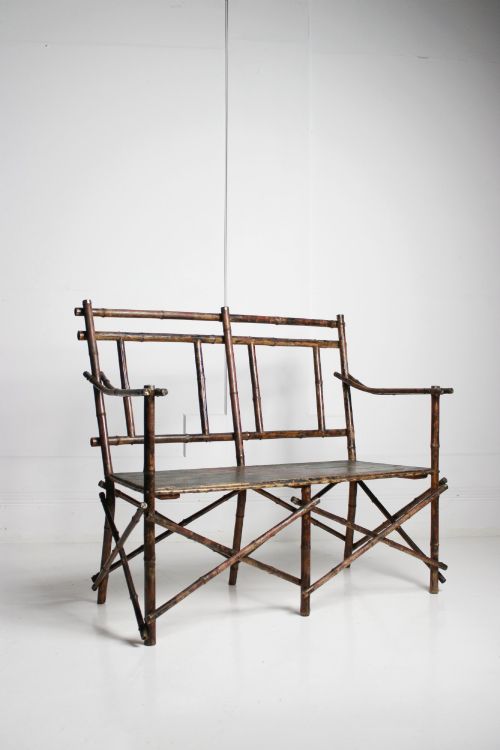
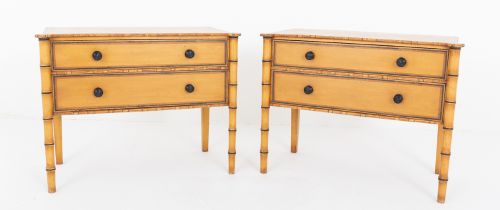
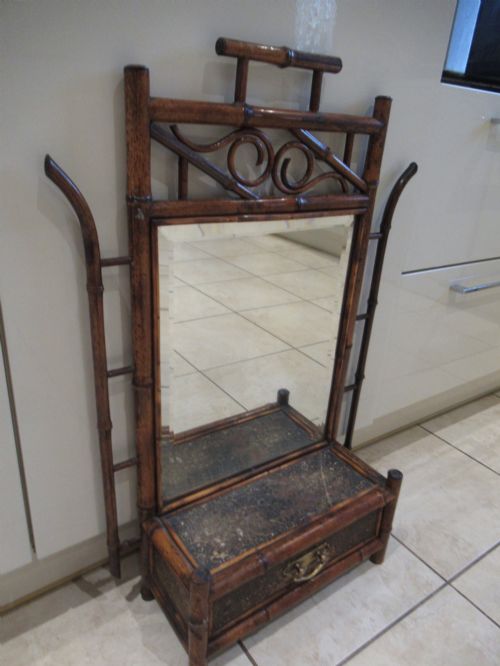
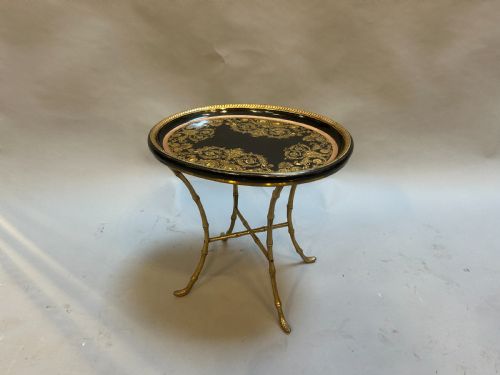
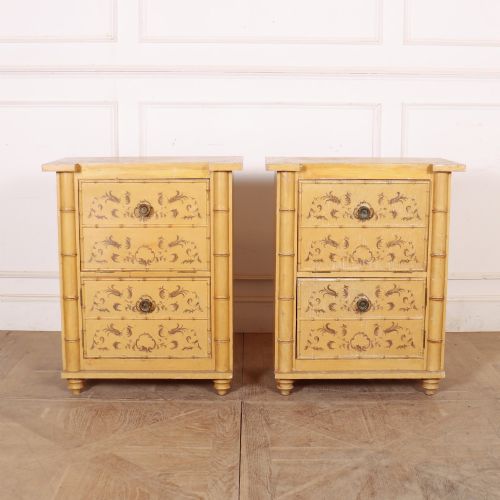
Chinoiserie bamboo furniture encompasses items designed with Asian-inspired decorative schemes applied to natural or simulated bamboo frameworks. Buyers searching for chinoiserie bamboo furniture encounter a diverse selection ranging from occasional tables and etageres to cabinets and chairs.
The pieces appearing on this page span several distinct periods including the Regency era, the Victorian period and the Aesthetic Movement of the nineteenth century. Most examples present practical forms such as side tables, trays on stands and hall stands.
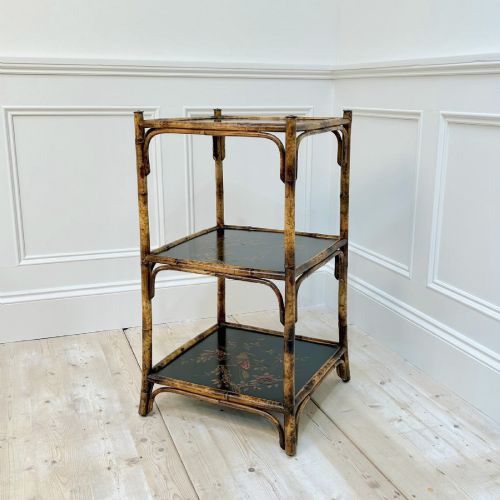
Victorian and late nineteenth-century interpretations dominate the selection, often featuring lacquered panels and painted oriental scenes. These items reflect a prolonged European fascination with eastern aesthetics translated into domestic furnishings.
Materials and construction
Construction relies heavily on natural bamboo, tiger bamboo and hardwoods shaped to simulate bamboo. Artisans combined these organic frames with papier-mache trays, glass panels and marble tops to create varied surfaces.
Decorative surfaces typically feature hand-painted lacquer, japanning and gilt chinoiserie designs depicting oriental landscapes and figures. Brass hardware and canework seating complete the construction of these decorative items.
Chinoiserie Bamboo Furniture Retail Price Guide 2026
Typical asking prices for chinoiserie bamboo furniture among the pieces listed under this phrase on Sellingantiques today, from the lower quarter to the upper quarter. They describe what is for sale here now, not the wider market.
Listings feature periods spanning from Regency and Victorian eras to the early twentieth century, utilising bamboo, lacquer, and papier-mache.
Assessing quality and craftsmanship
Quality in these pieces rests primarily on the execution of the surface decoration and the integrity of the bamboo frame. Finer examples display meticulous hand-painted lacquering and well-preserved japanned finishes rather than simpler printed ornamentation.
Structural stability distinguishes superior pieces from standard items, particularly in multi-tiered etageres and tables with cane seats. The integration of specialised components like marble tops or papier-mache trays also elevates the standing of an individual piece.
The Chinoiserie Bamboo Furniture Glossary
- Chinoiserie
- European interpretation of Chinese and East Asian artistic traditions, expressed through painted motifs and decorative scenes. This style heavily influences the surface decoration of nineteenth-century bamboo furnishings.
- Japanning
- A type of European finish that emulates Asian lacquerware by applying layers of varnish and heat-cured resin. It frequently appears on panels and tables within this category.
- Etagere
- An open piece of furniture with multiple tiers used for displaying small objects or ornaments. These structures often incorporate bamboo uprights and lacquered shelves.
- Tiger bamboo
- A specific variety of bamboo featuring distinctive natural mottled markings that resemble tiger stripes. Makers utilised this material to add visual texture to frames and tables.
- Canework
- Woven cane material used for chair seats and panels, providing a lightweight and flexible surface. It remains a common feature on Victorian bamboo seating.
Chinoiserie Bamboo Furniture: Frequently Asked Questions
What periods do these pieces come from?
The pieces span the Regency era through to the early twentieth century, with a strong concentration of Victorian and Aesthetic Movement examples.
Craftsmen across these decades reinterpreted eastern motifs in various domestic forms, from occasional tables to large hall stands.
How do I care for lacquered bamboo furniture?
Keep these items away from direct sunlight and excessive moisture to protect the delicate lacquer and painted surfaces.
Dust gently with a soft dry cloth and avoid using harsh chemical polishes that might damage the historic finish.
Were these items made in Europe or Asia?
Most of these furnishings were produced in European workshops, particularly in Britain and France, responding to a popular demand for oriental styles.
Makers utilised imported bamboo and applied European manufacturing techniques alongside traditional japanning.
Where should I place a bamboo etagere?
An etagere suits a corner or wall space where its multiple tiers can display small collections without cluttering the room.
Ensure the floor is level to maintain the stability of these relatively lightweight bamboo structures.