



Chinese Trunk Coffer
A Chinese trunk coffer brings centuries of utilitarian travel and storage tradition into domestic spaces through robust chests and blanket boxes.
Chinese Trunk Coffer
A Chinese trunk coffer is a substantial storage chest or blanket box rooted in centuries of travel and domestic organisation. The pieces encountered most frequently on this page date from the nineteenth and early twentieth centuries, spanning periods such as the Qing Dynasty and the Republic Period.
Makers fashioned these utilitarian objects as luggage cases, wedding chests, and campaign boxes for trade and daily use. Forms range from low-profile coffers and domed chests to large storage trunks intended for heavy garments and valuables.
Stylistic influences reflect traditional Chinese design alongside Chinese Export and Anglo-Chinese commissions tailored for overseas buyers. These origins shape the distinct proportions and functional hardware observed across the selection.
Materials and Construction
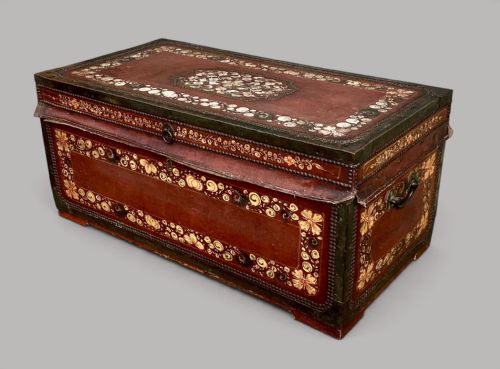
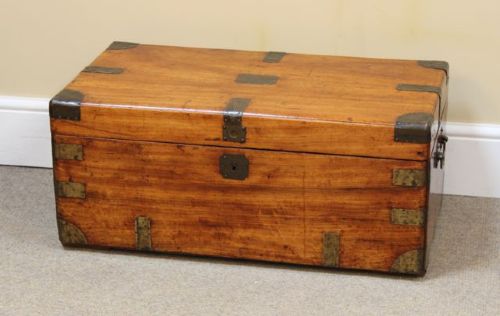
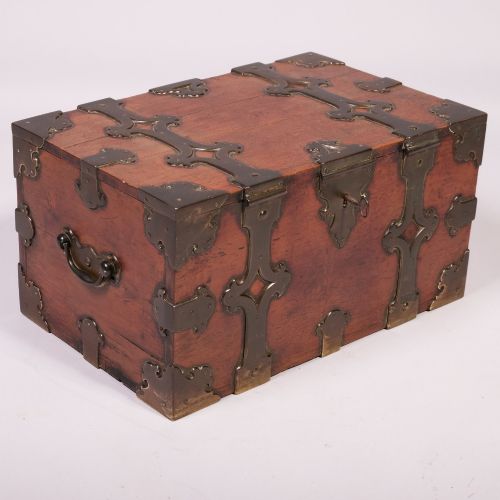
Makers relied heavily on aromatic camphor wood and durable hardwoods for the primary carcase, prized for natural insect-repellent properties suited to textiles. Iron and brass mounts reinforced corners and lids, providing structural integrity for transit.
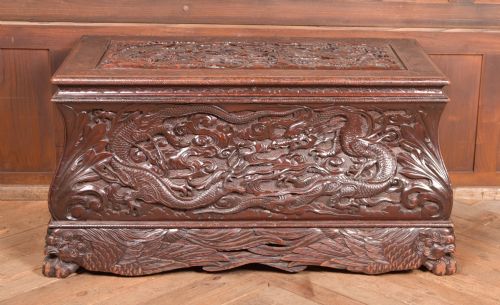
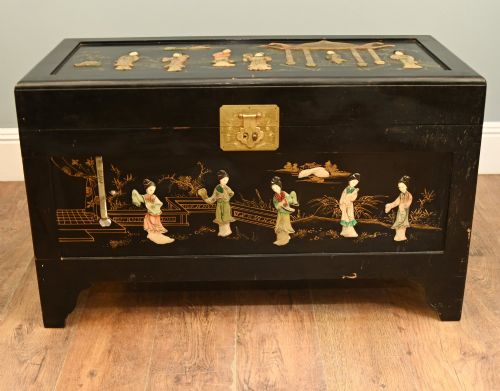
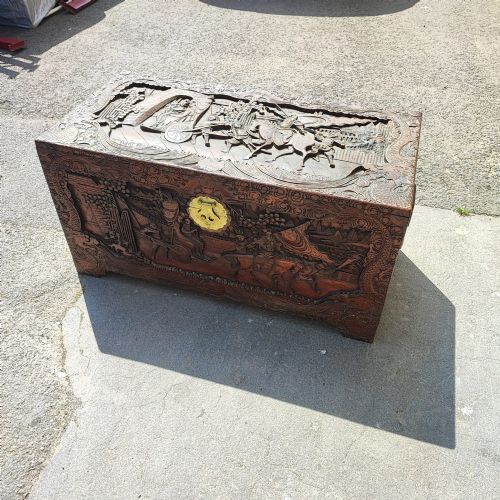
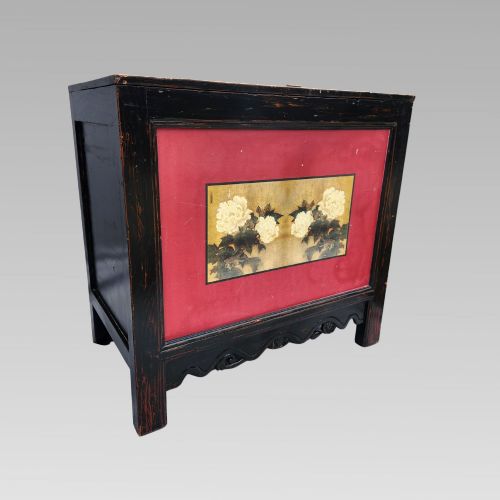
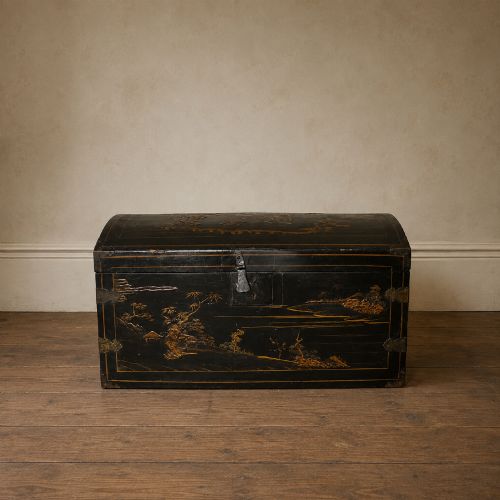
Surface finishes include black and polychrome lacquer, painted leather, and carved relief work depicting floral motifs and dragons. Construction methods integrate traditional joinery with campaign-style metal strapping designed to withstand long journeys.
Chinese Trunk Coffer Retail Price Guide 2026
Typical asking prices for chinese trunk coffer among the pieces listed under this phrase on Sellingantiques today, from the lower quarter to the upper quarter. They describe what is for sale here now, not the wider market.
Listings feature camphor wood, lacquer, and leather materials across periods ranging from the eighteenth century to the 1930s.
Distinctions in Quality
The degree of refinement in surface decoration separates standard utilitarian boxes from elite export examples. Finely detailed hand-carving, intricate gilt decoration upon lacquer, and substantial brass mounts indicate higher workshop skill.
The choice of primary timber and the integrity of original hardware dictate the enduring stability of each piece. Intact leather coverings, well-preserved painted polychrome details, and original locking mechanisms mark superior survival through successive generations.
The Chinese Trunk Coffer Glossary
- Camphor wood
- An aromatic timber frequently utilised for storage chests due to its natural resistance to moths and dampness. Its distinct scent remains detectable long after manufacture.
- Chinese Export
- Objects manufactured in China specifically for western markets from the seventeenth to the early twentieth century. These pieces often blend traditional local forms with stylistic preferences requested by foreign buyers.
- Coffre fort
- A heavily reinforced strongbox designed for securing valuables and currency during transit. They feature robust iron or brass bindings.
- Campaign case
- Portable furniture designed for military officers or travellers, featuring recessed brass handles and reinforced corners for frequent movement.
- Chinoiserie
- European interpretation and imitation of Chinese artistic traditions and motifs, applied to furniture and decorative arts.
Chinese Trunk Coffer: Frequently Asked Questions
What were Chinese trunk coffers used for?
These pieces served primarily for storing garments, blankets, and precious family possessions in domestic settings. Many functioned as luggage for merchants and travellers journeying along trade routes.
Sturdier iterations also acted as strongboxes for securing valuable goods against theft or damp conditions during transit.
How do I care for a camphor wood chest?
Keep the wood away from direct heat sources and sudden temperature shifts to prevent timber shrinkage and splitting. Dust the surfaces gently with a dry or slightly damp cloth without applying heavy modern polishes.
Allow the natural aromatic properties of the interior wood to remain unhindered by synthetic liners.
How can I tell the period of a trunk?
Examine the type of metal hardware, the style of lacquer work, and the construction methods used inside the carcase. Eighteenth-century examples often display restrained brass mounts and dense hardwoods.
Nineteenth and early twentieth-century pieces frequently incorporate carved camphor panels or painted leather coverings reflecting export trade demands.
Are these chests suitable as coffee tables?
Many low-profile trunks and coffers possess proportions that allow practical placement as living room coffee tables. Their flat lids provide adequate surface space while internal compartments offer hidden storage.
Ensure the antique structure can support everyday domestic use without placing excessive strain on original hinges.