



Chinese Style Temple Jar
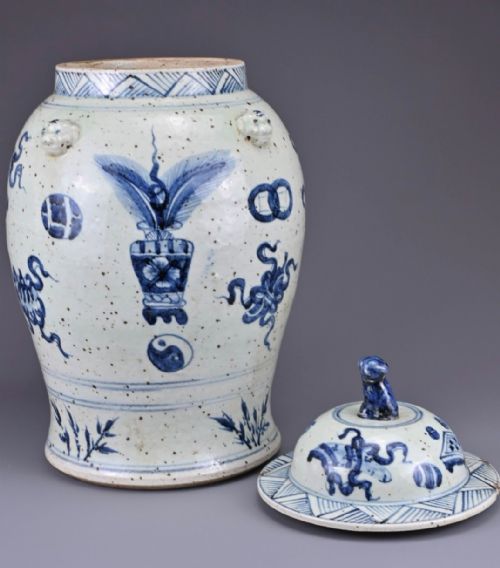
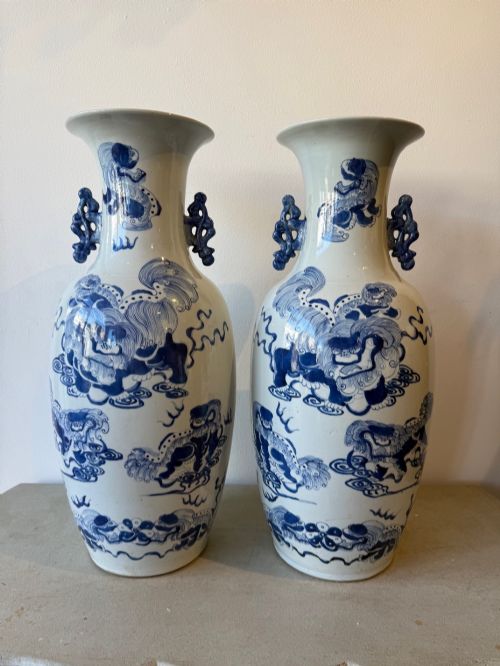
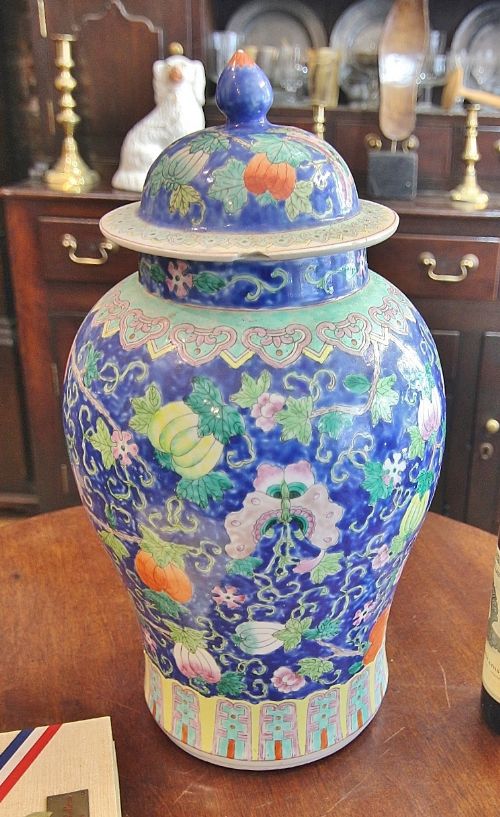
A Chinese style temple jar brings striking blue and white pigment or colourful enamel into a room, offering classic symmetry and form.
Chinese Style Temple Jar
A Chinese style temple jar is a decorative vessel most frequently seen in porcelain or ceramic form across this page. These pieces appear in periods ranging from the nineteenth century up to nineteen forty, alongside styles like Chinoiserie and Qing Dynasty.
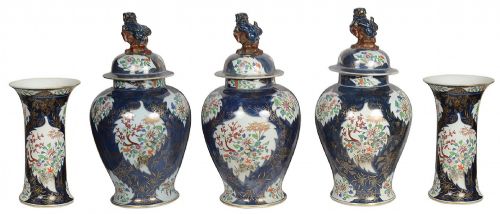
Buyers encounter forms categorised as vases, ginger jars, and lidded urns, often featuring covers. The selection includes pairs of jars, single large vessels, and even vase lamps or garnitures.
Origins span nineteenth century work and early twentieth century production, reflecting traditional Chinese decorative motifs. Some examples incorporate nineteenth century style elements modelled on earlier Kangxi period design.
Materials and construction
Potters utilised porcelain and ceramic as the primary foundation for shaping these jars, applying cobalt pigment and cobalt glaze to create traditional blue and white patterns. Enamel and gold leaf provide additional surface decoration on specific items.
Cloisonne examples incorporate brass alongside enamel, while Mason's stoneware offers an alternative ceramic body. Skilled artisans shaped lidded jars and vases with precise covers, combining throwing techniques with careful glazing.
Chinese Style Temple Jar Retail Price Guide 2026
Typical asking prices for chinese style temple jar among the pieces listed under this phrase on Sellingantiques today, from the lower quarter to the upper quarter. They describe what is for sale here now, not the wider market.
Some temple jars hide ferocious five-claw dragons beneath their serene blue and white glazes.
Distinguishing quality levels
Quality rests in the precision of the cobalt pigment work and the refinement of the porcelain body. Finer examples display crisp detail in dragon motifs or floral patterns, whether painted under the glaze or rendered in rich enamel.
The presence of a matching lid and the structural integrity of larger forms significantly elevate a piece. Superior manufacture shows in the balance of the vessel and the control of the glaze during firing.
The Chinese Style Temple Jar Glossary
- Doucai
- A ceramic technique involving underglaze blue outlines filled in with overglaze enamels. This method creates a vibrant contrasting effect on the finished surface.
- Famille rose
- A palette of opaque overglaze enamels dominated by pink or rose colours. Introduced during the Qing dynasty, it allowed for nuanced floral and figurative painting.
- Cloisonne
- Enamelling work where metal wires form small compartments on a brass or copper base. Artisans fill these spaces with coloured paste before firing and polishing.
- Kangxi
- A significant imperial period under the Qing dynasty known for exceptional ceramic arts. Later pieces often reference the decorative style and marks of this era.
- Chinoiserie
- European artistic styles reflecting Chinese motifs and decorative traditions. This aesthetic influenced furniture and ceramics produced across the nineteenth and twentieth centuries.
Chinese Style Temple Jar: Frequently Asked Questions
What is a temple jar?
A temple jar is a large ceramic or porcelain vessel, traditionally featuring a rounded body and a domed lid with a finial. These pieces served decorative and functional roles in interior spaces.
Today, collectors use them to anchor a room, displaying them on tables, cabinets, or as standalone floor pieces.
How do I date a temple jar?
Dating relies on examining the porcelain body, the handling of the cobalt pigment or enamel, and any marks on the base. Stylistic clues often point to nineteenth century production or early twentieth century revival pieces.
Comparing the potting weight and glaze characteristics against known examples helps narrow down the period of manufacture.
Are temple jars always blue and white?
While blue and white porcelain remains the most common variety, many examples feature multi-coloured enamels such as the Famille rose palette. Cloisonne variations introduce metalwork and opaque colours.
Makers also utilised stoneware bodies and green doucai glazes to achieve different visual effects.
How should I display a temple jar?
These jars look striking placed in pairs on side tables, mantels, or cabinets where their symmetry can be appreciated. Their generous scale makes them natural focal points in a room.
Ensure they rest on stable surfaces away from high traffic areas to protect the lids and ceramic bodies.