




Chinese Soapstone Carving
A Chinese soapstone carving brings tactile depth to a desk, shaped from soft steatite into figures, brush pots, and scholarly animals.
Chinese Soapstone Carving
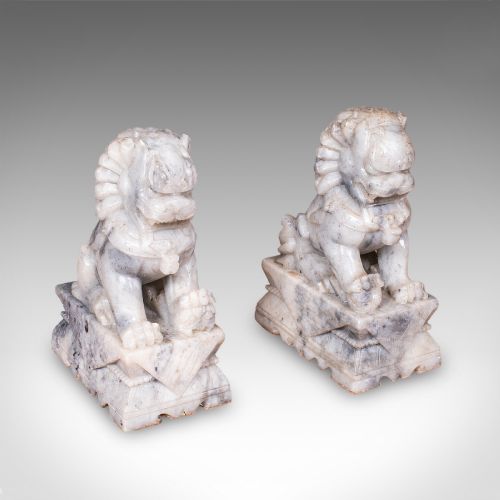
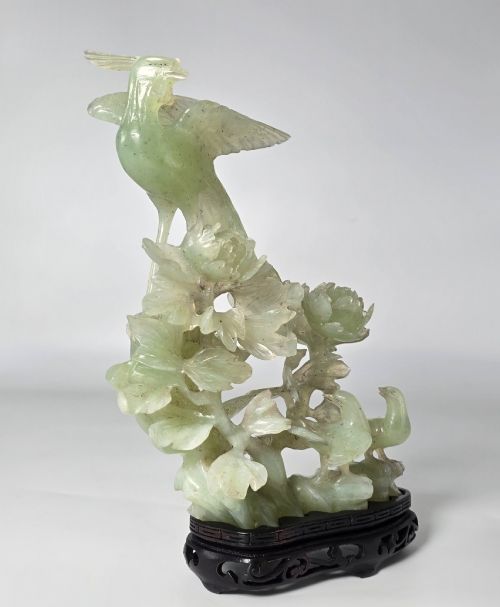
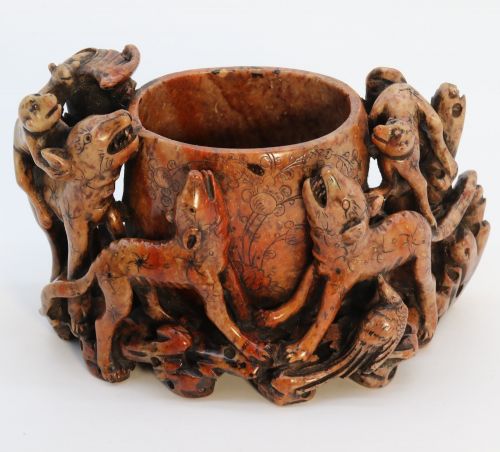
A Chinese soapstone carving unites scholarly utility with ornamental display, spanning desktop items like brush washers, seals, and paperweights alongside figurative groups of sages, monkeys, and Foo dogs. These pieces emerge from the nineteenth and early twentieth centuries, encompassing Qing dynasty workmanship, Victorian acquisitions, and Republic period objects.
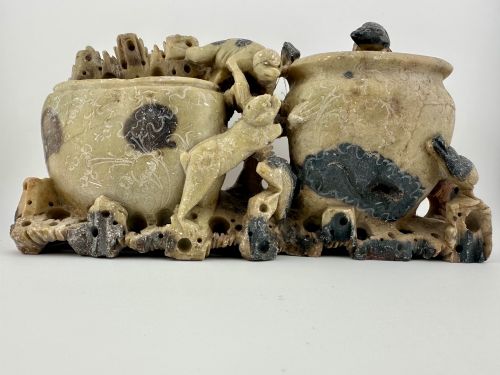
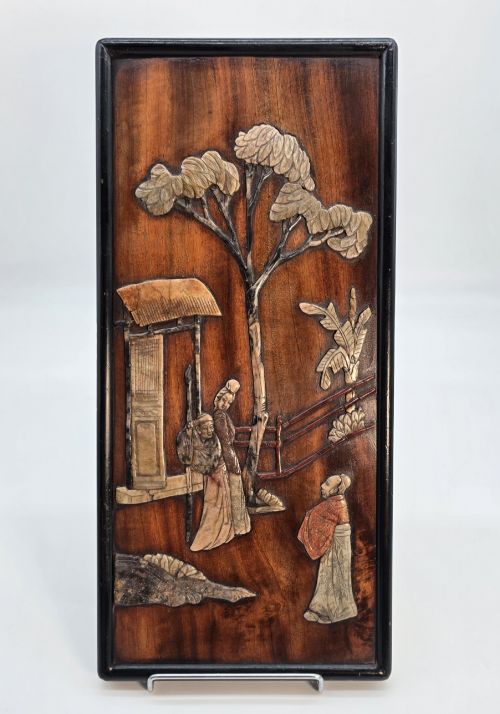
The selection frequently highlights scholar's desk accessories and naturalistic animal groups, carved from steatite and Shoushan stone. Buyers encounter everything from miniature pagodas and puzzle cups to framed stone pictures and folding screens mounted with hardstone.
What varies in quality
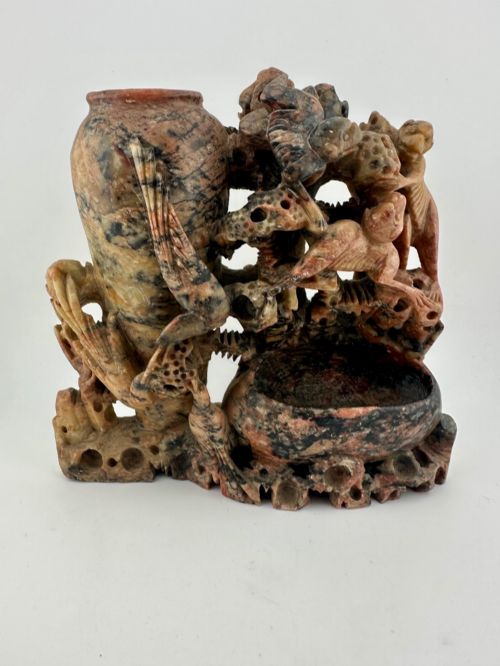
Quality rests upon the depth of the carving and the ambition of the composition, distinguishing simple utilitarian vessels from multi-figure scholarly groups with detailed natural landscapes. The natural figure of the stone influences the success of the piece, where colour zoning aligns with the subject matter.
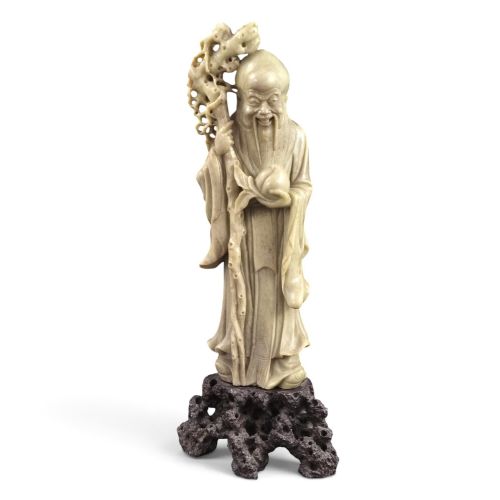
Finishing separates standard production from exceptional work, visible in the crispness of facial expressions on figures like Shoulao or Buddha, and the stability of fitted hardwood or lacquer mounts.
Chinese Soapstone Carving Retail Price Guide 2026
Typical asking prices for chinese soapstone carving among the pieces listed under this phrase on Sellingantiques today, from the lower quarter to the upper quarter. They describe what is for sale here now, not the wider market.
A seven-piece set of stone puzzle cups proves that historical scholars enjoyed a surprisingly tactile puzzle with their tea.
The Chinese Soapstone Carving Glossary
- Soapstone
- A metamorphic rock composed largely of talc, prized for its soft texture and suitability for intricate hand carving. It is often synonymous with steatite in historical inventories.
- Shoushan Stone
- A traditional Chinese soapstone variety sourced from Fujian province, known for its diverse natural colours and smooth polish. Carvings in this material frequently depict dragons and scholars.
- Brush Washer
- A small vessel utilised on the scholar's desk for rinsing calligraphy brushes. They appear in carved soapstone alongside complementary brush pots and desk seals.
- Foo Dog
- A mythical temple guardian lion depicted in pairs to protect domestic spaces. These guardian figures frequently appear as bookends or desk ornaments.
- Steatite
- A dense, talc-rich mineral form utilised interchangeably with soapstone for detailed sculptural works. Its composition permits fine incisions and smooth patination.
Chinese Soapstone Carving: Frequently Asked Questions
What is a soapstone seal used for?
A soapstone seal serves as a personal stamp or signature block, traditionally carved with characters or mythical creatures like the Chi dragon at the base.
Owners inked these carvings to mark documents, artwork, and correspondence with individual authority.
How do I date a Chinese soapstone carving?
Dating relies on stylistic markers from periods such as the Qing dynasty, Republic era, or Victorian trade, alongside material wear.
Examining the depth of the carving and associated bases like hardwood or lacquer provides further chronological context.
What subjects appear in these carvings?
Common subjects include scholarly figures like Shoulao and Buddha, natural groupings of monkeys, deer, birds, and continuous wooded landscapes.
Practical objects such as brush pots, puzzle cups, and incense burners also feature frequently.
How should I care for soapstone?
Soapstone is a relatively soft mineral that requires gentle dusting with a dry cloth and protection from hard impacts.
Avoid chemical cleaners and excessive moisture to preserve the natural polish and patination of the stone.