


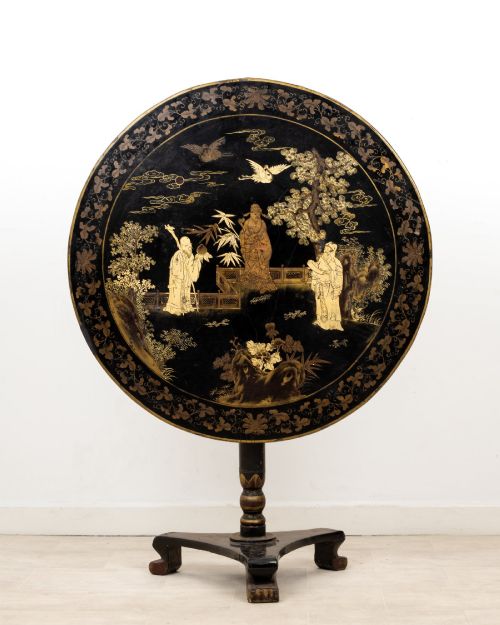


Chinese Round Table
These Chinese round table pieces bring circular form and traditional joinery together, offering a centrepiece that grounds a room.
Chinese Round Table
A Chinese round table spans formats from low coffee tables and side tables to centre tables and occasional tables. You will frequently encounter hardwood and rosewood examples alongside pieces featuring inset marble tops.
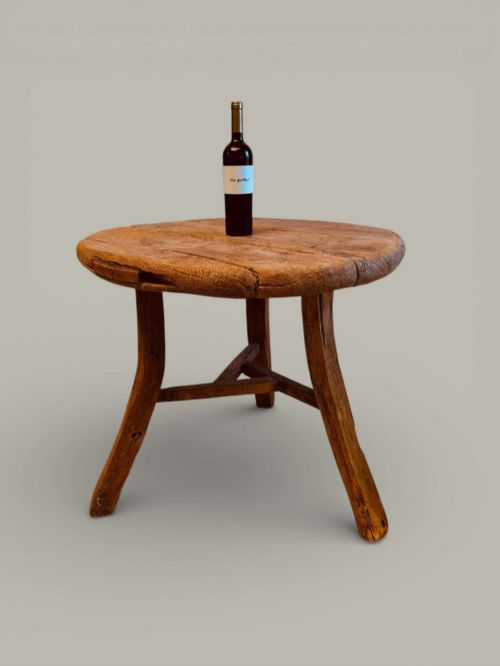
The pieces on this page draw from periods including the nineteenth century and the early twentieth century. Forms range from Chinese export items to vernacular tables and plant stands.
Construction and materials
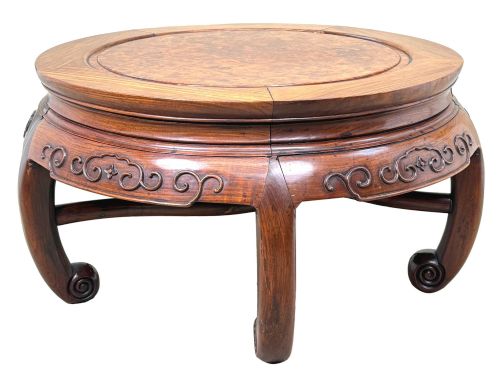
Workshops utilised dense timbers such as hardwood, rosewood, elm, and huanghuali to build these circular frames. These woods provide the structural strength needed for traditional joinery without reliance on metal fasteners.
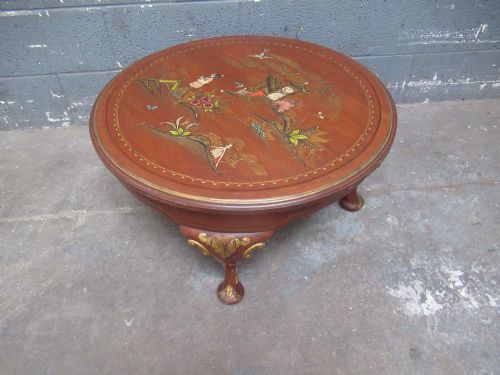
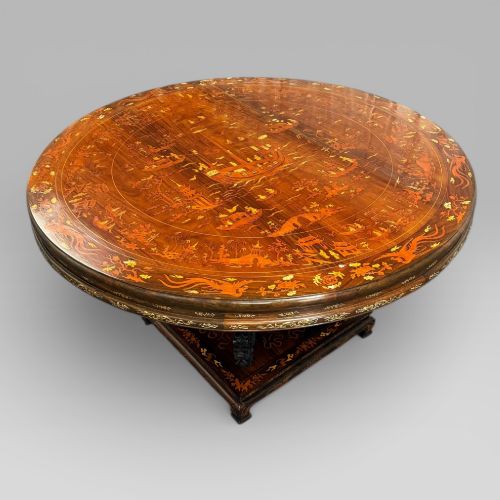
Surfaces often incorporate marble inserts or red lacquer finishes to contrast with the dark grain of the wood. Carved details and inlaid elements appear across various styles like Qing Dynasty and Chinese Export.
Chinese Round Table Retail Price Guide 2026
Typical asking prices for chinese round table among the pieces listed under this phrase on Sellingantiques today, from the lower quarter to the upper quarter. They describe what is for sale here now, not the wider market.
Assessing quality in circular tables
Finer examples show crisp hand-carving and careful selection of timber grain, particularly in rosewood and huanghuali. The integration of inset marble tops and the precision of folding mechanisms separate standard production from superior work.
Age and regional style dictate the depth of detail, from simple vernacular surfaces to intricate Qing export carving. Condition of the lacquer and stability of the circular frame govern the overall integrity of the piece.
Edwards & Roberts
The Chinese Round Table Glossary
- Marble top
- A stone insert fitted flush into the wooden surface of a table or plant stand. This provided a cool, heat-resistant surface for display.
- Tilt top
- A tabletop mounted on a hinge mechanism that allows the surface to pivot vertically when not in use. This clever design saved space in historic interiors.
- Centre table
- A freestanding table finished on all sides designed to sit in the middle of a room. These pieces often serve as decorative focal points.
- Qing Dynasty
- The imperial dynasty ruling China from the mid-seventeenth century to the early twentieth century. Furniture from this era encompasses varied export and vernacular styles.
Chinese Round Table: Frequently Asked Questions
How do I style a round table?
A circular table works effectively as a central coffee table or a corner side table where its curves soften linear room layouts. Placing a ceramic vase or lamp upon the surface highlights the traditional timber or marble top.
Because these pieces come in various heights from low coffee tables to plant stands, pairing them with appropriate seating creates a balanced arrangement. Ensure the wood tone complements your existing furniture scheme.
What is huanghuali wood?
Huanghuali is a premium Chinese hardwood known for its striking grain patterns and warm honey-brown tone. It was favoured by master craftsmen for its exceptional stability and resistance to warping.
Tables constructed from this material command attention due to the natural beauty of the timber. Over time, the wood develops a deep patina that enhances its appearance.
Are marble top tables fragile?
Marble inserts are heavy and durable stone surfaces set securely into the wooden frames of tables and stands. While sturdy during normal daily use, the stone requires care to avoid chipping edges or staining from unsealed liquids.
Lifting rather than dragging the furniture helps protect both the marble and the supporting woodwork. Cleaning requires simple damp wiping without harsh chemical agents.
How do I date a Chinese table?
Dating relies on examining the timber species, joinery methods, and stylistic markers associated with periods like the nineteenth century or early twentieth century. Export pieces often reflect Western influence in their proportions while retaining traditional Chinese carving motifs.
Changes in lacquer formulation and wear patterns on the underside of the tabletop offer additional clues. Comparing the construction details to dated historical examples helps confirm the era.