






Chinese Root Wood Sculpture
These Chinese root wood sculpture examples capture natural growth and artisan skill, offering organic forms that bring historic character to a room.
Chinese Root Wood Sculpture
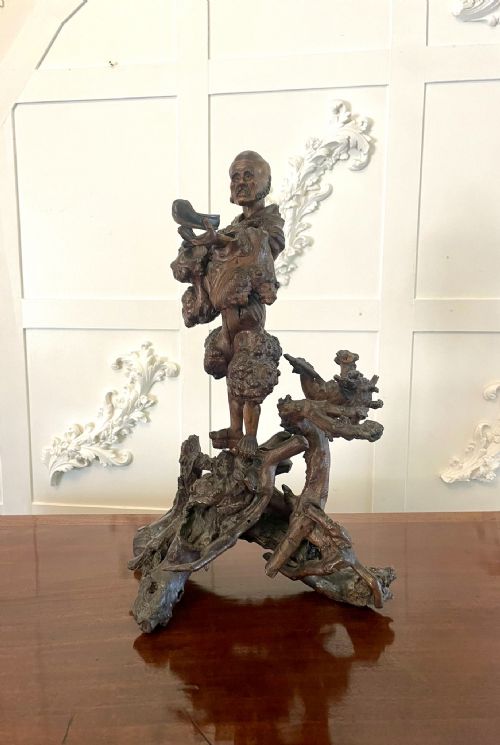
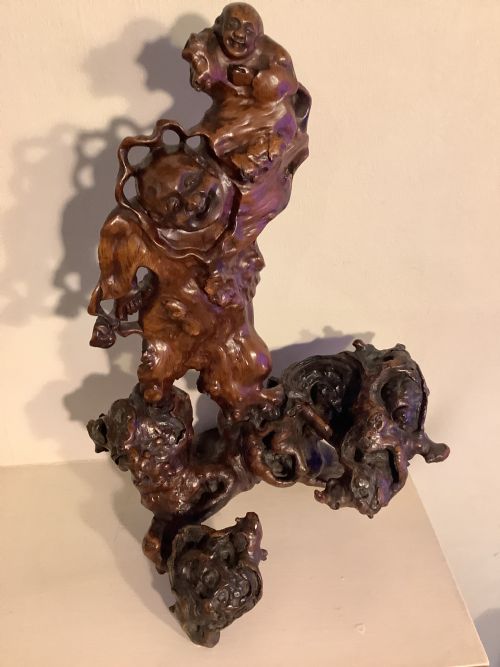
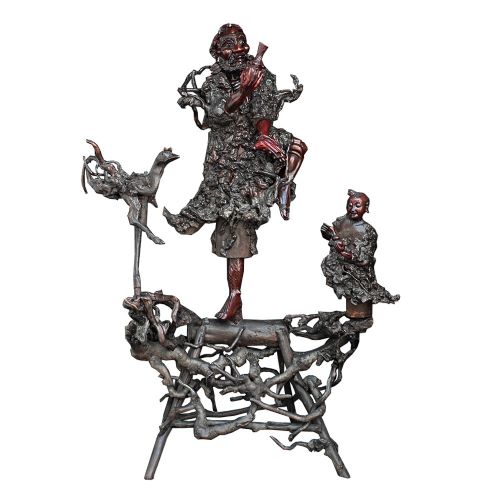
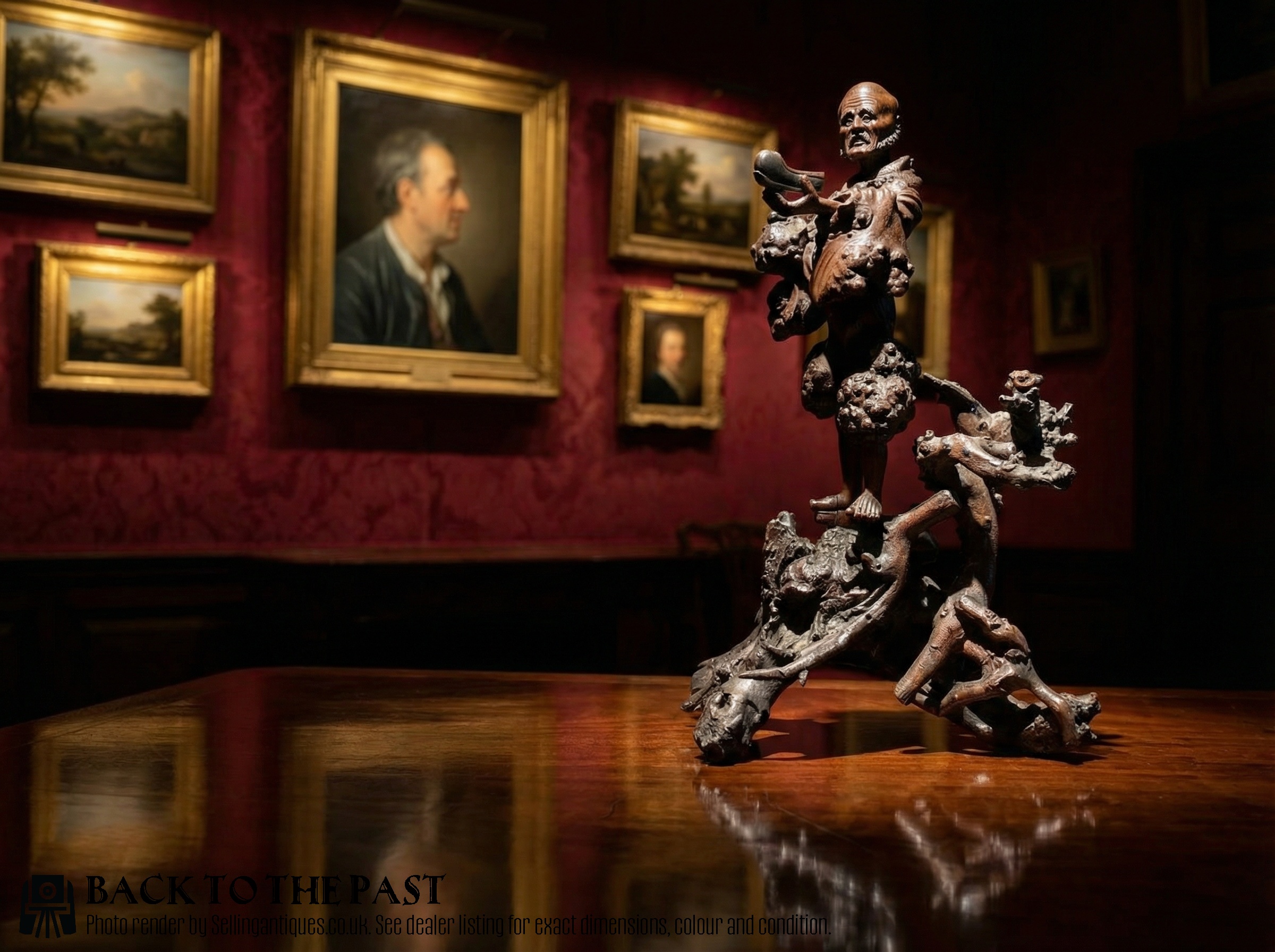
Buyers examining a chinese root wood sculpture encounter organic creations shaped from gnarled timber, depicting figures, animals, and scholars.
The objects on this page largely originate from the nineteenth century during the Qing dynasty, featuring regional Chinese craftsmanship.
Forms vary widely from standalone figures and lion dogs to functional items such as tables, stands, lamps, and headrests.
How they were made
Carvers worked closely with the natural contours of root wood, burr wood, hardwood, and bamboo to suggest human figures and mythological beasts.
Makers utilised existing twists and knots in the timber to define garments, facial expressions, and posture without unnecessary additions.
Surfaces received finishes including lacquer and polishing to enhance the deep grain and develop a rich patina over decades.
Materials recorded across the available pieces include root wood, burr wood, hardwood, bamboo, and occasional additions of brass and quartz.
What varies in quality
Quality rests upon how cleverly the carver exploited the natural anomalies of the timber to form recognizable subjects like scholars or Foo dogs.
Superior examples display deep relief, sculptural weight, and an untouched patination that reveals the grain rather than hiding it beneath heavy coatings.
The Chinese Root Wood Sculpture Glossary
- Qing Dynasty
- The final imperial dynasty of China, spanning from sixteen forty-four to nineteen twelve. Many carved wooden objects on this page date to the later decades of this period.
- Foo Dog
- A traditional guardian lion depicted in Chinese art. These mythical beasts appear frequently in carved timber and stone.
- Burr Wood
- A growth on a tree where the grain has formed in a deformed manner, creating intricate patterns. Carvers prized this material for its visual texture.
- Patina
- The surface sheen and colour developed over years of handling and ageing. A good patina indicates genuine age and careful preservation.
Chinese Root Wood Sculpture: Frequently Asked Questions
Are these carvings solid wood?
The pieces consist of natural timber sections, including root wood, burr wood, and bamboo, selected for their irregular and gnarled shapes.
Makers carved the figures directly from these dense organic forms, retaining the natural weight and core of the material.
How do I care for a root wood sculpture?
Keep the wood away from direct heat sources and sudden humidity changes to prevent splitting in the dry timber.
Dust gently with a soft cloth and avoid applying modern polishes that can alter the historic surface finish.
What subjects do these carvings usually show?
Common subjects include Daoist immortals, scholars, figures carrying companions, and mythical lion dogs or Foo dogs.
Carvers also adapted the natural root shapes into functional objects such as small tables, lamp bases, and headrests.
How can I tell the age of a carving?
Age assessment relies on examining the depth of the patina, tool marks left by the carver, and the dry state of the timber.
Pieces originating from the nineteenth century typically exhibit surface wear and coloration consistent with handling over many generations.