



Chinese Porcelain Wall Dish
A chinese porcelain wall dish brings vibrant hand-painted colour and centuries of ceramic history directly onto your interior walls.
Chinese Porcelain Wall Dish
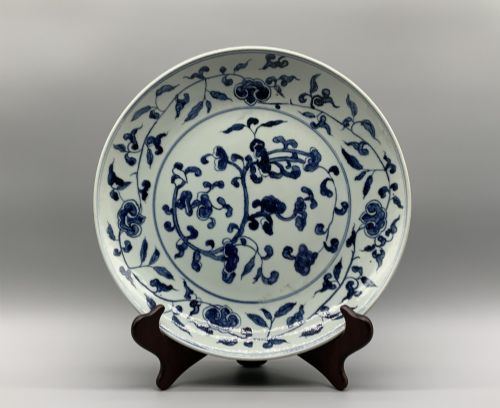
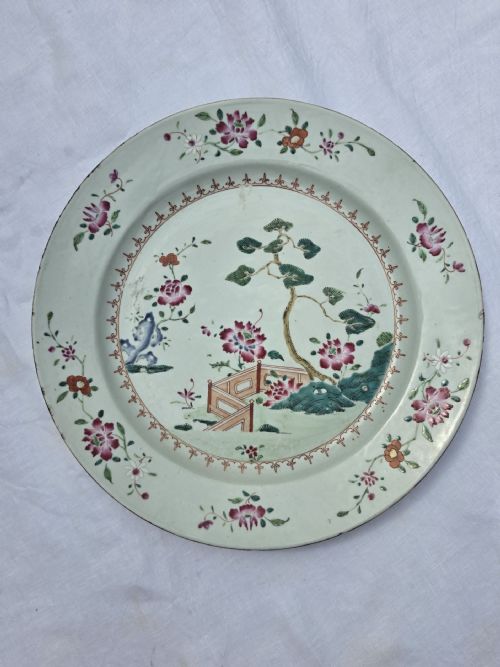
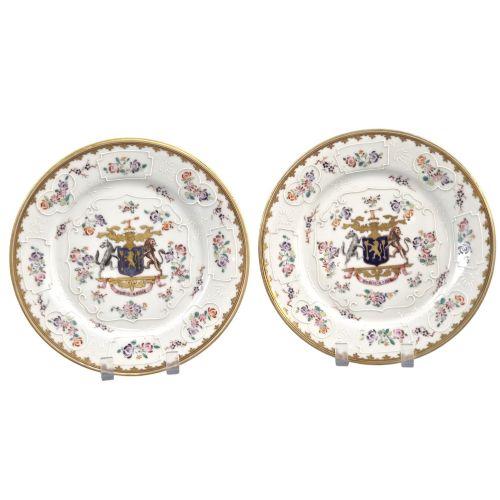
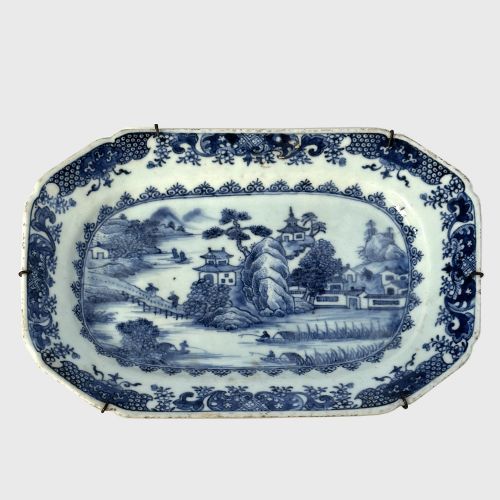
A chinese porcelain wall dish encompasses chargers, platters, and decorative plates originating from various historical periods, including the Kangxi, Qianlong, and Wanli eras, alongside later nineteenth-century interpretations. You will frequently encounter large blue and white chargers and intricately enamelled famille rose or imari plates designed for display.
These items range from early export pieces manufactured for Western markets to specific domestic wares, often featuring traditional hand-painted motifs depicting court life or floral arrangements. The selection spans robust ceramic platters and deep kraak porcelain dishes suited for vertical hanging.
Materials and production methods
Potters utilised hard-paste porcelain and ceramic bodies combined with cobalt glaze and cobalt pigment to produce deep blue and white underglaze designs. Artisans applied polychrome enamel and gold leaf overglaze during later decorative stages to achieve rich surface textures.
Pieces underwent high-temperature kiln firing to fuse the mineral glazes permanently to the ceramic body, creating durable surfaces that preserved the hand-painted details. Workshops relied on precise brushwork executed by skilled painters before the final glazing process.
Several plates depict the hundred antiques design, allowing seventeenth-century scholars to display miniature scholarly treasures frozen forever in cobalt blue.
Assessing quality in ceramic wall plates
Superior examples display crisp, confident brushwork and well-defined cobalt pigment tones or finely articulated enamel detailing without blurring or pooling. The execution of intricate court scenes or floral compositions demonstrates the painter's direct skill.
The purity of the porcelain body and the evenness of the glaze application distinguish exceptional pieces from standard production wares. Historical provenance, such as documented collections or specific period markers, further elevates the status of an antique charger.
Edmé Samson & Cie·C.J. Mason·Bluett & Sons
The Chinese Porcelain Wall Dish Glossary
- Charger
- A large decorative plate or platter traditionally utilised for display or serving. These substantial vessels provide a wide canvas for elaborate hand-painted cobalt or enamel scenes.
- Famille Rose
- A prominent palette of opaque enamel colours dominated by pink or rose tones. Introduced during the eighteenth century, this technique allowed for nuanced shading in floral and figural designs.
- Kraak Porcelain
- A type of Chinese export porcelain characterised by panelled borders and central medallion designs. Produced mainly during the late Ming dynasty, these deep plates frequently feature nautical or floral motifs.
- Imari
- A style of ceramic decoration featuring a distinctive colour scheme of underglaze blue, iron red, and gilt. Originating in Japan and later emulated in China and Europe, this style creates a rich, decorative surface.
Chinese Porcelain Wall Dish: Frequently Asked Questions
How do I hang a heavy antique charger securely?
Heavy porcelain chargers require specialist spring-loaded brass wall hangers that distribute the weight evenly across the rim without causing structural stress to the ceramic body.
Ensure the fixing is anchored directly into wall studs or uses heavy-duty wall plugs to support the substantial weight of large eighteenth-century platters safely.
Were these dishes originally made for the wall?
Most antique Chinese chargers and plates were initially produced as dining or display vessels for tables and sideboards rather than dedicated wall fixtures.
Export wares often featured drilled footrings or were subsequently fitted with metal display mounts by European collectors to enable wall hanging.
How do I distinguish Kangxi blue and white from later copies?
Kangxi period blue and white porcelain typically displays vibrant, layered cobalt tones with a characteristic jade-like luminosity beneath a clear, smooth glaze.
Later nineteenth-century and twentieth-century reproductions often exhibit flatter blue pigmentation and different potting weights that reveal their more recent manufacturing date.
Can I clean antique enamel wall dishes safely?
Dust enamel and gilt surfaces gently using a soft, dry brush to prevent the accumulation of particles without introducing moisture to vulnerable overglaze decorations.
Avoid immersing antique porcelain in water, especially pieces with delicate gold leaf or polychrome enamels that can flake off with liquid exposure.