



Chinese Metalwork Bowl
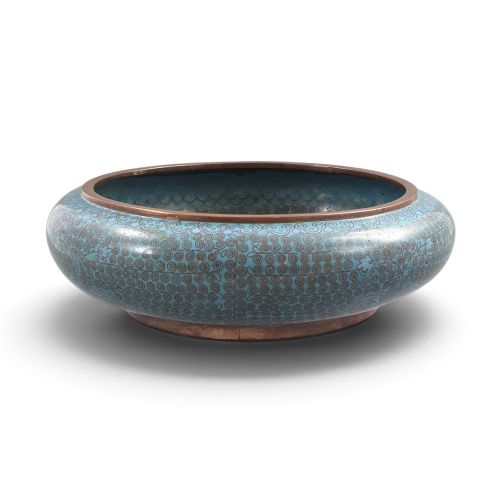
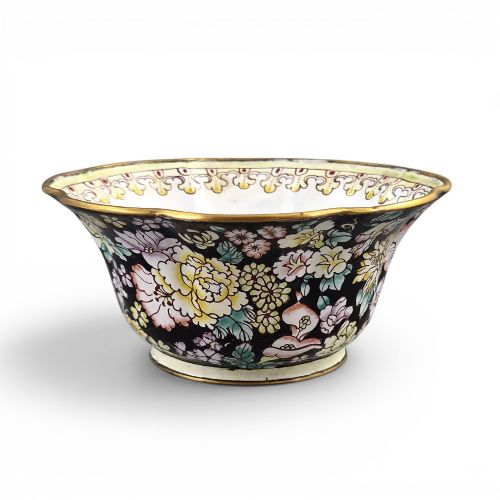
A chinese metalwork bowl brings weight and refined surface detail to a room, ranging from deep-cast bronze vessels to intricate cloisonné enamel pieces.
Chinese Metalwork Bowl
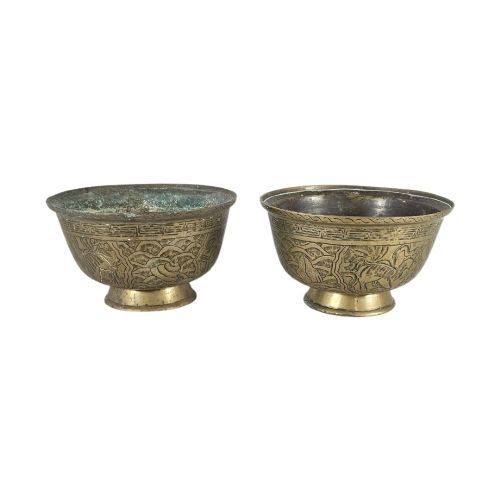
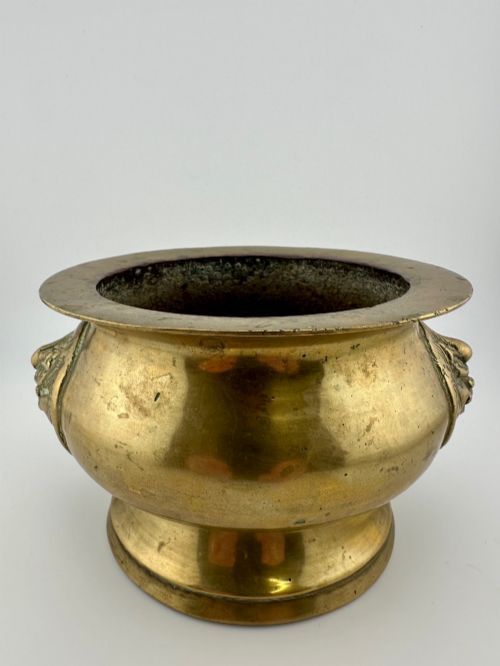
When you search for a chinese metalwork bowl, you encounter a varied selection of vessels that span several centuries and dynasties. The examples most frequently met on this page date from the nineteenth century, including bronze censers and enamel bowls.
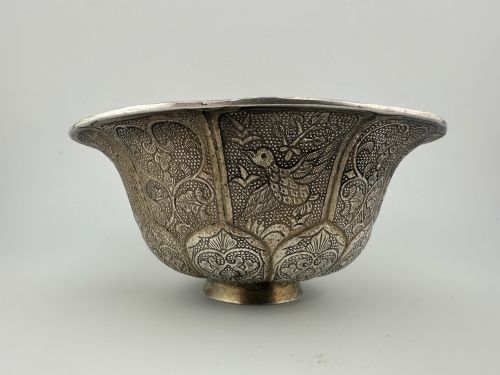
The forms encompass decorative bowls, footed tazzas, and incense burners designed with ritual or scholar's studio use in mind. These objects originate from periods such as the Qing Dynasty and the late Ming Dynasty, reflecting traditional craftsmanship.
How they were made
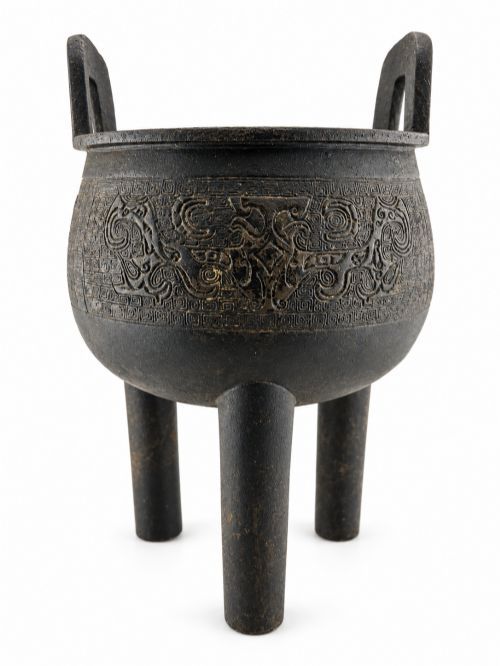
The pieces are constructed primarily from bronze, brass, and copper alloy, often formed as heavy cast vessels. Artisans utilised techniques such as lost-wax casting to produce thick walls and tripod bases.
Surface decoration frequently involves cloisonné enamel, painted enamel-on-copper, gold leaf, and white metal applications. Skilled metalworkers also incorporated cast details like lion mask handles and taotie masks.
Chinese Metalwork Bowl Retail Price Guide 2026
Typical asking prices for chinese metalwork bowl among the pieces listed under this phrase on Sellingantiques today, from the lower quarter to the upper quarter. They describe what is for sale here now, not the wider market.
One heavy bronze tripod censer scales in at over four kilograms, proving that ancient metalworkers took their paperwork very seriously indeed.
What varies in quality
Quality separates through the density of the casting and the precision of the handle and mask attachments. Heavier vessels with crisp relief work on the bronze or brass demonstrate superior foundry skill.
In enamelled pieces, the uniformity of the enamel and the clarity of the cloisonné wirework determine the standard. Marks attributed to specific reigns or studios also influence the standing of an individual piece.
The Chinese Metalwork Bowl Glossary
- Censer
- A vessel designed for burning incense during rituals or in a scholar's studio. These typically feature tripod legs and pierced covers.
- Cloisonne
- An enamel technique where metal wire creates small compartments on a metal base, which are then filled with coloured paste and fired.
- Xuande Mark
- An identifying stamp referring to the early Ming Emperor Xuande, often added to later bronze vessels in tribute.
- Taotie
- A stylised zoomorphic mask motif commonly found cast into ancient and later Chinese bronze ritual vessels.
- Tazza
- A shallow bowl or cup elevated on a high foot, used for display or serving in various decorative contexts.
Chinese Metalwork Bowl: Frequently Asked Questions
How were bronze censers used?
Bronze censers served primarily for burning incense in domestic shrines, temples, and scholarly studies. They held aromatic materials during meditation or quiet reading.
Over time, these vessels also became prized display objects collected for their sculptural qualities and traditional forms.
How do I date a bronze bowl?
Dating relies on examining the casting style, surface patina, and any reign or studio marks stamped into the metal. Comparing the weight and form to known period examples helps narrow the decade.
Stylistic shifts, such as the transition from Ming taotie motifs to late Qing decorative styles, provide further chronological clues.
What is cloisonne enamel?
Cloisonné enamel involves soldering thin metal wires onto a metal base to form cells, which are then filled with vitreous enamel. The piece is fired and polished to create a smooth, patterned surface.
This technique produced vibrant bowls and tazzas featuring complex floral and geometric designs.