


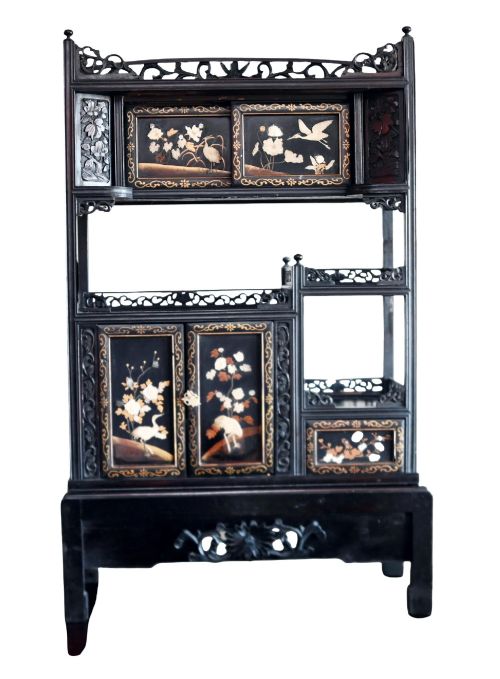
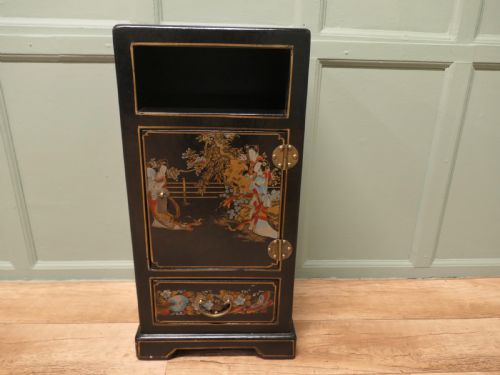
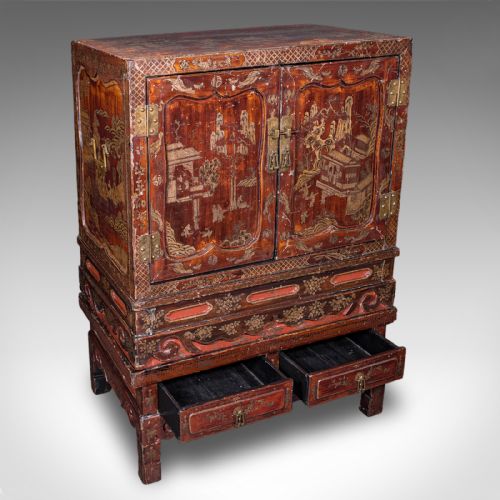

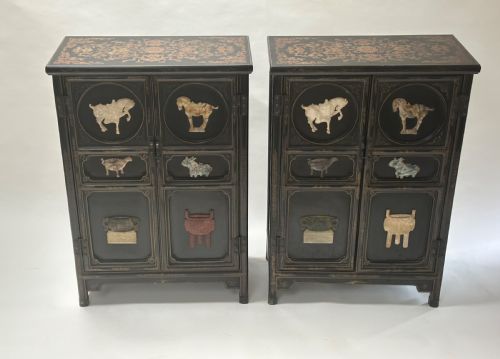
Chinese Lacquered Cabinet
A chinese lacquered cabinet brings layers of history and rich pigment into a room, offering both sculptural presence and functional storage.
Chinese Lacquered Cabinet
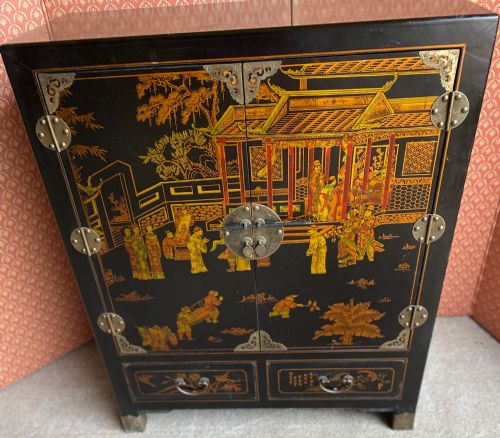
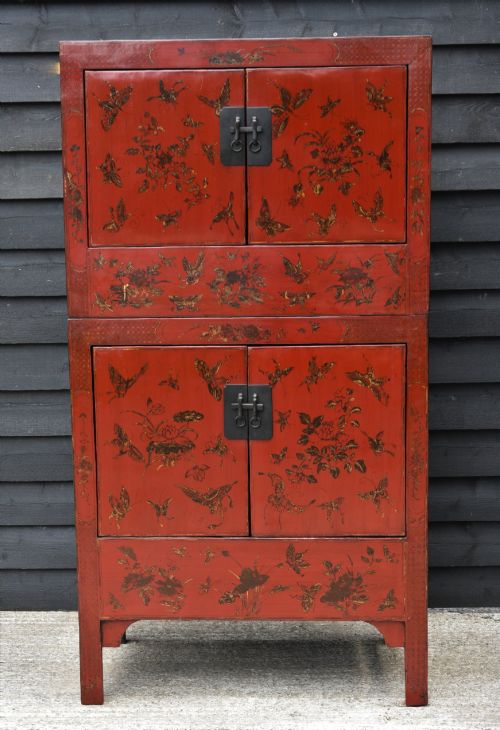
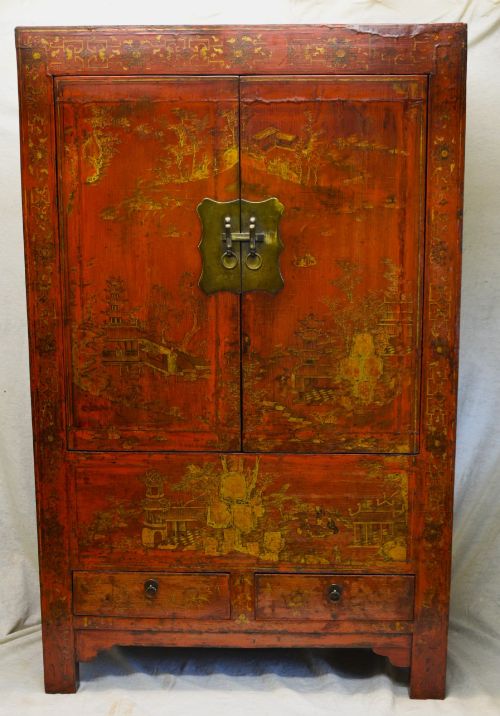
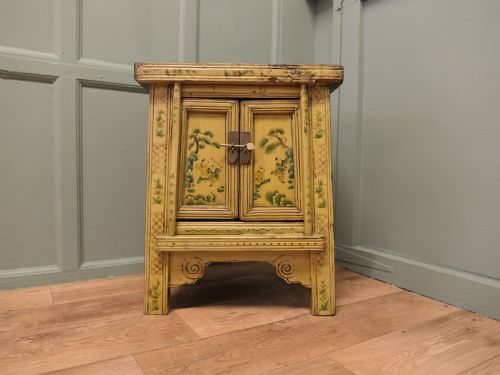
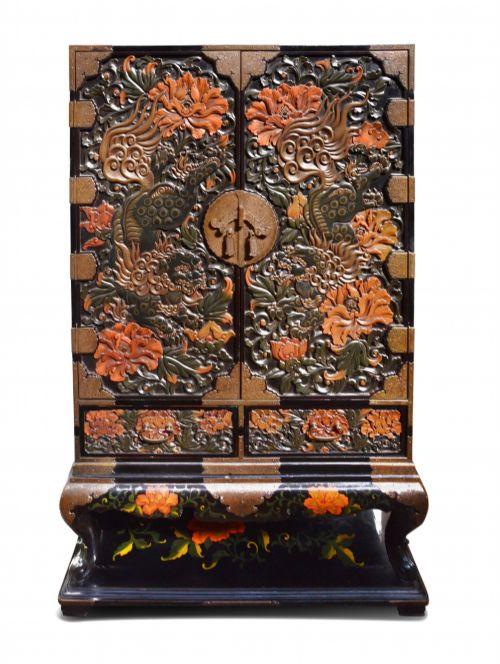
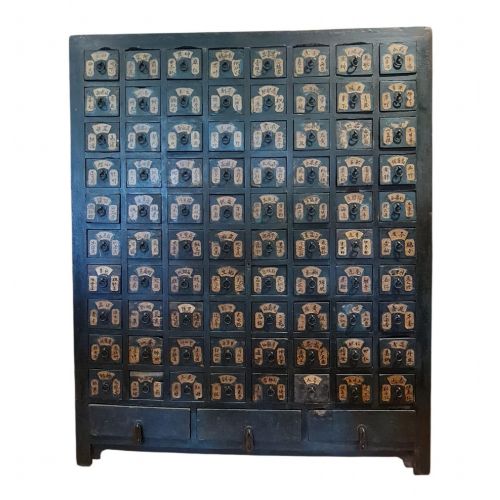
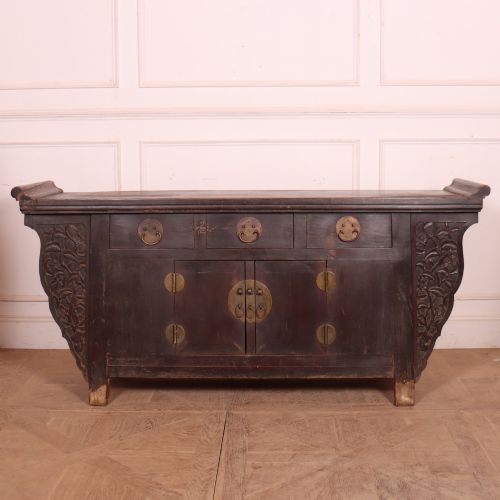
A chinese lacquered cabinet encompasses grand wedding chests, towering apothecary units with numerous small drawers, and delicate table cabinets designed for storage and display. These pieces span the eighteenth, nineteenth, and early twentieth centuries, reflecting traditions from provincial workshops to export centres.
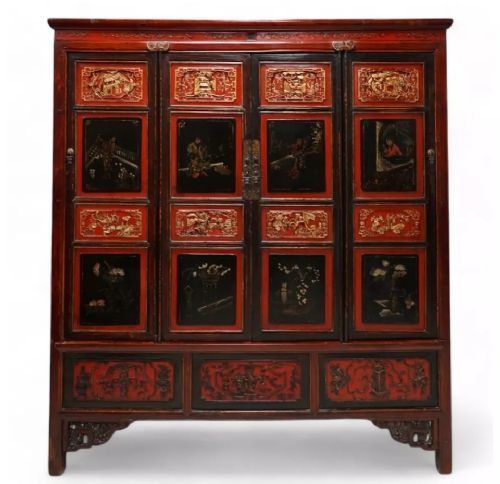
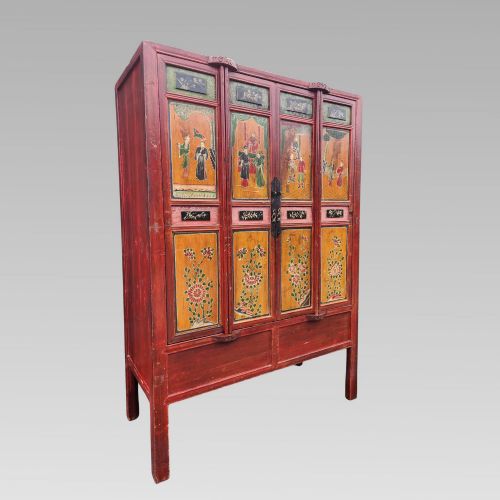
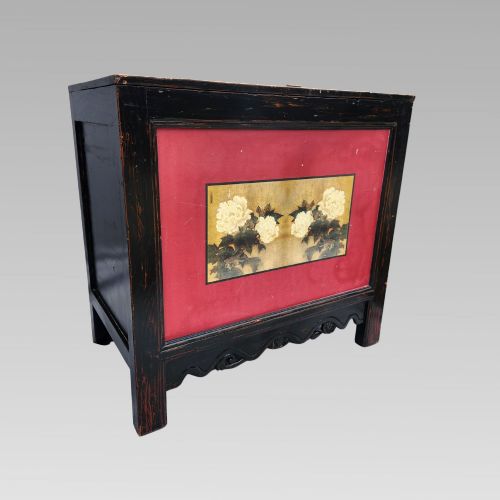
Buyers will most frequently encounter nineteenth-century red or black lacquer examples, alongside sideboards, corner units, and cabinets raised upon carved wooden stands. The selection ranges from monumental compound cupboards to compact bedside cabinets and writing bureaux.
Origins stretch from regional Chinese production, including Shanxi Province elm pieces, to Western-influenced Chinoiserie interpretations made during the Victorian and Edwardian periods. Each form serves a distinct domestic purpose, from ceremonial marriage storage to everyday medicinal sorting.
Materials and Construction
Construction relies primarily on sturdy timbers such as elm and general wood carcases, providing a stable foundation for successive coats of natural lacquer. Artisans built these cabinets using traditional joinery methods suited to supporting heavy surface decoration.
The decorative skin is built up with layers of lacquer, frequently enhanced with gold leaf, mother-of-pearl inlay, and carved relief work depicting floral motifs and birds. Brass and iron hardware, including hinges, strapwork, and decorative locking plates, secure the doors while adding metallic contrast to the dark or vibrant surfaces.
Chinese Lacquered Cabinet Retail Price Guide 2026
Typical asking prices for chinese lacquered cabinet among the pieces listed under this phrase on Sellingantiques today, from the lower quarter to the upper quarter. They describe what is for sale here now, not the wider market.
Listings feature 19th-century and early 20th-century pieces, incorporating materials such as elm, brass, bone, and gold leaf.
Assessing Quality
Quality rests in the depth and preservation of the lacquer finish, the crispness of the carved detail or gilt decoration, and the integrity of the underlying timber. Superior examples retain their original pictorial schemes and hardware without extensive modern repainting or structural replacement.
The refinement of the joinery and the balance of proportions distinguish standard utility pieces from exceptional marriage chests and apothecary cabinets. Finer items exhibit deliberate execution in hidden areas and retain patinated brass or iron mountings that match the period of the carcase.
The Chinese Lacquered Cabinet Glossary
- Marriage Cabinet
- Large storage furniture traditionally given as a wedding gift in China, characterised by two main doors opening to reveal internal shelving and hidden compartments. These pieces frequently display vibrant red lacquer and symbolic ornamentation.
- Apothecary Cabinet
- Multi-drawer storage unit historically utilised in traditional medicine practice to organise herbs, roots, and minerals. Examples often feature dozens of small, labelled drawers set within an elm or hardwood frame.
- Lacquer
- Natural resin applied in multiple coats to a wooden substrate to create a hard, glossy, and durable protective surface. It serves as the base for carving, gilding, and inlay work.
- Compound Cabinet
- Tall storage furniture constructed in two separate stacking sections, allowing easier transport and rearrangement within the home. This form provides substantial vertical capacity while maintaining traditional proportions.
Chinese Lacquered Cabinet: Frequently Asked Questions
Where should I place a chinese lacquered cabinet?
These cabinets suit living rooms, dining spaces, or hallways where their distinctive red or black finishes can anchor the room as a focal point. They pair effectively with both contemporary and traditional interiors by adding rich colour and texture.
Position them away from direct sunlight and strong heat sources to protect the natural lacquer surface from drying or fading over time. Adequate clearance allows doors to open fully, revealing internal shelving or numerous drawers.
How do I care for the lacquer surface?
Dust the cabinet gently with a soft, dry cloth to prevent micro-scratching on the glossy finish. Avoid chemical polishes, abrasive cloths, and excessive moisture, which can damage the historic layers.
Maintain stable indoor humidity levels to protect the underlying wood carcase from expanding or contracting, which can stress the lacquer. Professional conservation advice should be sought if structural repairs or surface consolidation become necessary.
What is the difference between Chinoiserie and Chinese export pieces?
Chinoiserie describes European-made or European-inspired decorative styles that imitate Chinese motifs and aesthetics, often seen on Victorian and Edwardian cabinets. These pieces reflect Western interpretations of Eastern art.
Chinese export and traditional pieces were made within China, frequently utilising regional timbers like elm and traditional lacquer techniques intended for domestic use or international trade. Examining construction methods and wood types helps clarify the geographic origin of the workshop.
How do I identify an apothecary cabinet?
Apothecary cabinets feature a gridded facade composed of numerous small drawers designed for sorting medicinal ingredients and dried herbs. They often bear regional characteristics, such as those originating from Shanxi Province.
These pieces contrast with standard cupboards by prioritising compartmentalised storage over open hanging or shelf space. The arrangement of dozens of uniform pulls creates a distinct textural grid across the front of the furniture.