






Chinese Lacquer Desk
A chinese lacquer desk brings deep monochrome finishes and hand-painted detail into a room, offering both a functional writing surface and a striking focal point.
Chinese Lacquer Desk
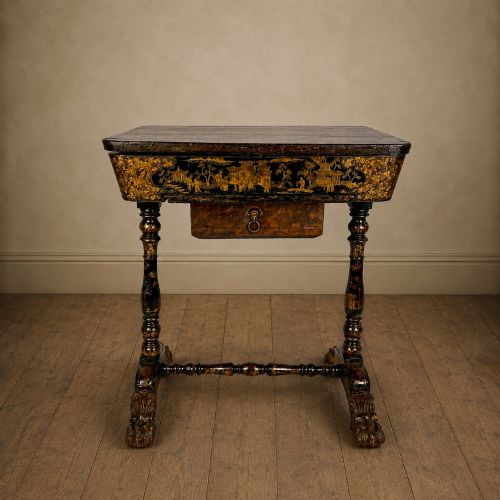
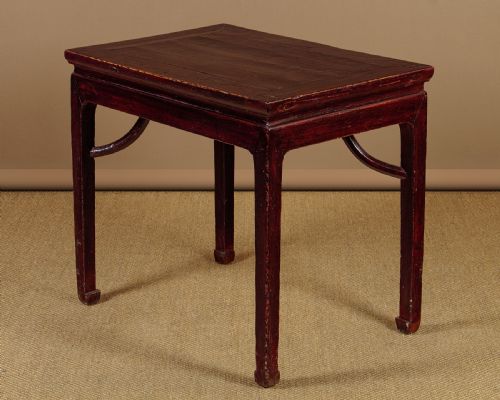
A chinese lacquer desk spans several distinct forms in the current selection, ranging from nineteenth-century writing desks and Canton black lacquered desk cabinets to smaller writing bureaux and scholar's desk tables. These pieces draw on traditional craftsmanship, often surfacing alongside related forms such as console tables, work tables, and armchairs.
The materials and aesthetic traditions behind these items vary across centuries, encompassing eighteenth-century Chinese export pieces as well as later nineteenth-century examples and Edwardian interpretations. Makers utilised elm and other woods as a substrate for rich lacquered surfaces, frequently highlighted with gold leaf or painted ornamentation.
Regional and export styles shape the appearance of these desks, incorporating Qing dynasty influences, Chinoiserie motifs, and Chinese regional or provincial characteristics. Buyers encountering this phrase will find pieces that merge utilitarian form with elaborate surface decoration.
How they were made
The construction of these pieces relies on sturdy timber substrates, primarily elm and general wood frames, which provide a stable foundation for the finishing layers. Artisans applied successive coats of lacquer to seal and protect the wood, creating a smooth and durable plane suitable for daily use.
Surface ornamentation involved meticulous hand-painting, gilding, and the application of gold leaf to depict pictorial scenes or geometric patterns. These decorative techniques defined the aesthetic of Chinoiserie and Chinese export works, requiring precise brushwork and controlled drying conditions.
Materials recorded across the inventory include lacquer, elm, brass, gold leaf, and gilt finishes.
What varies in quality
The standard of a piece depends on the depth and integrity of the lacquer finish, where older layers display a rich patina developed over generations. Superior examples retain crisp hand-painted details and intact gold leaf ornamentation without extensive modern repainting.
Structural joinery in the underlying elm or wood frame dictates the overall durability and integrity of the desk. Pieces that maintain their original hardware, such as brass pulls or hinges, command greater interest among collectors seeking untouched authenticity.
The Chinese Lacquer Desk Glossary
- Lacquer
- A durable resin finish applied in multiple coats to wood substrates. It provides a hard, glossy surface that resists moisture and wear.
- Chinoiserie
- European decorative style reflecting Chinese artistic influences. This aesthetic appears frequently in eighteenth and nineteenth-century furnishings.
- Chinese Export
- Goods produced in China specifically for Western markets. These items combine traditional Asian techniques with European functional forms.
- Gold Leaf
- Extremely thin sheets of beaten gold applied to surfaces for decoration. It is commonly used to highlight painted scenes on dark lacquer.
- Elm
- A durable hardwood commonly used in Chinese furniture making. It offers strong structural support with an attractive grain beneath lacquer.
Chinese Lacquer Desk: Frequently Asked Questions
How do I clean a lacquer desk?
Dust the surface regularly with a soft, dry cloth to prevent abrasive particles from scratching the finish.
Avoid using harsh chemical cleaners, alcohol, or excessive water, which can damage the historic lacquer layers.
Are these desks suitable for daily work?
Many historical desks provide adequate writing surfaces, though their internal drawer configurations differ from modern office furniture.
Consider placing a protective blotter on the top to prevent surface wear while using modern writing implements.
How do I identify a nineteenth-century piece?
Examine the construction methods, joinery, and the natural ageing of the lacquer surface under magnification.
Nineteenth-century examples often display subtle craquelure and hand-forged hardware consistent with the period.
Where should I place my desk?
Position the desk away from direct sunlight and heat sources to prevent the wood from expanding and the lacquer from cracking.
Maintaining a stable indoor humidity level helps preserve both the timber substrate and the delicate decorative finish.