





Chinese Export Ware
Chinese export ware brings centuries of global trade into the room, offering porcelain made specifically for Western tastes.
Chinese Export Ware
Chinese export ware encompasses porcelain and pottery produced in China across multiple dynasties for overseas markets, spanning functional vessels and decorative items. These objects arrived in European and Western markets through maritime trade, bearing designs that bridged Eastern production methods with Western aesthetic preferences.
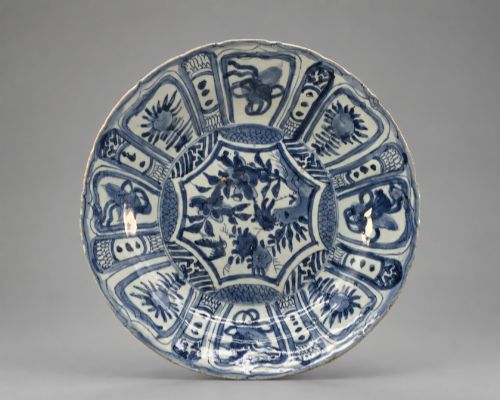
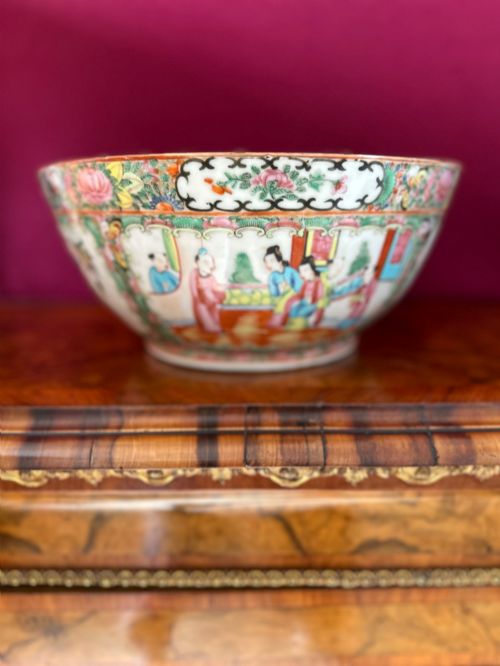
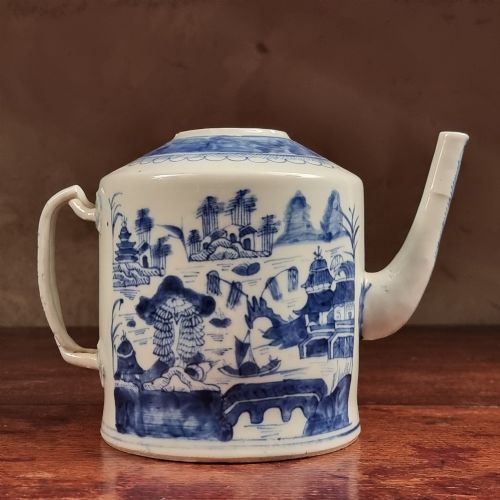
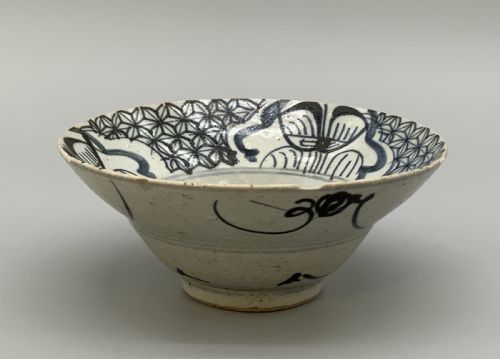
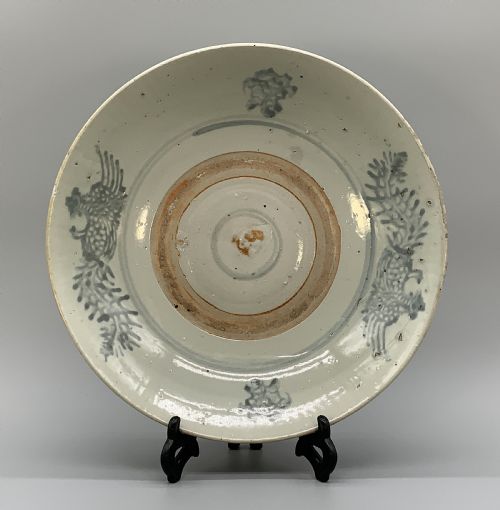
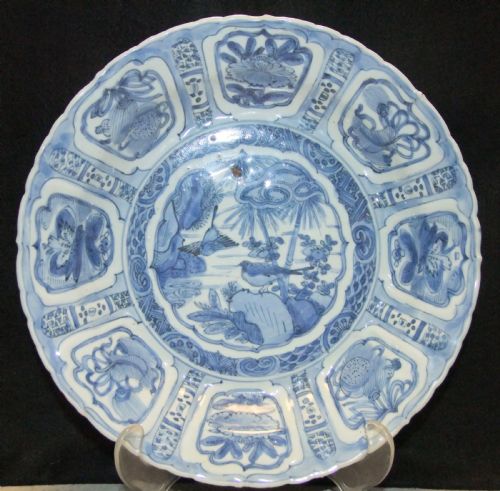
Buyers encountering this category most frequently meet decorative bowls, plates, chargers, teapots, and vases. The material record ranges from sixteenth-century Kraak and Swatow pieces up to nineteenth-century Canton and famille rose production.
Materials and production
Production centres on porcelain body clay combined with cobalt glaze, enamel, gold leaf, and iron glaze. Artisans applied cobalt blue pigments beneath the glaze before high-temperature firing, or added overglaze enamels and gold leaf in subsequent kiln runs.
Techniques varied across dynasties, yielding distinct surface textures such as crackle-glaze effects, chocolate-brown Batavia glazes, and detailed hand-painted reserve panels depicting birds and botanical motifs.
Chinese Export Ware Retail Price Guide 2026
Typical asking prices for chinese export ware among the pieces listed under this phrase on Sellingantiques today, from the lower quarter to the upper quarter. They describe what is for sale here now, not the wider market.
Some chocolate-brown Batavia bowls feature delicate painted reserves of birds and prunus blossoms hiding beneath the dark exterior.
Assessing quality and execution
Excellence in these pieces rests upon the precision of the brushwork, the clarity of the glaze, and the control demonstrated during high-temperature firing. Superior examples exhibit fluid, confident hand-painting rather than mechanical repetition.
The refinement of the porcelain body and the stability of the shape during firing distinguish finer vessels from utilitarian wares. Details such as intact export seals and crisp execution of painted reserves elevate individual pieces within the historical range.
The Chinese Export Ware Glossary
- Kraak porcelain
- A type of Chinese export porcelain produced mainly during the Ming Dynasty, typically featuring panelled blue and white designs.
- Swatow ware
- A broad term for coarser Chinese export porcelain and stoneware made in Guangdong province during the late Ming period for Southeast Asian and Japanese markets.
- Famille rose
- A palette of opaque enamel colours introduced in the Qing dynasty, dominated by pink or rose hues derived from colloidal gold.
- Batavia ware
- Export porcelain featuring a characteristic coffee-brown or chocolate-coloured glaze on the exterior, often framing blue and white or enamelled reserves.
- Klapmuts
- A specific deep bowl or basin form with an everted rim, common in sixteenth-century Kraak porcelain exports.
Chinese Export Ware: Frequently Asked Questions
What is Chinese export ware?
Chinese export ware is porcelain and pottery manufactured in China specifically for export to European, Middle Eastern, and Western markets from the Ming dynasty onwards.
These pieces combined traditional Chinese potting techniques with decorative schemes tailored to appeal to overseas buyers.
How are different periods identified?
Periods are identified through a combination of stylistic markers, glaze types, potting characteristics, and reign marks when present.
For instance, sixteenth-century pieces often display Kraak panelling and blue and white cobalt painting, while eighteenth-century items frequently show famille rose enamels or crackle glazes.
Were these pieces used daily?
Many export pieces served functional roles in European households, from tea drinking to dining and display.
Teapots, cups, saucers, and plates were integrated into daily domestic routines, while larger chargers and vases functioned primarily as decorative room ornaments.
How should I care for antique porcelain?
Antique porcelain requires gentle handling and should be washed by hand in lukewarm water using mild soap when cleaning is necessary.
Avoid abrasive sponges, harsh chemical detergents, and sudden temperature shifts to protect the historical glaze and overglaze enamels.