




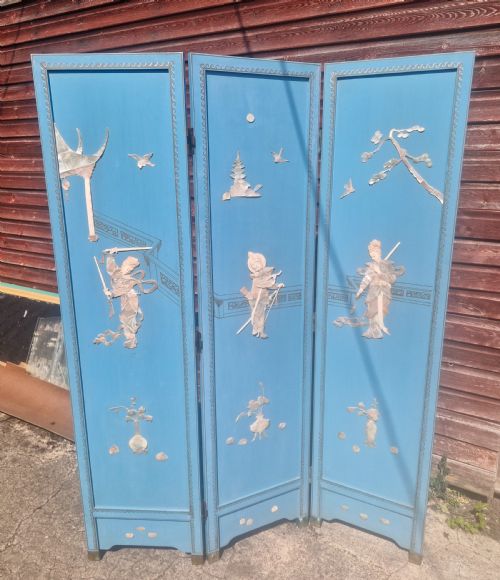


Chinese Export Lacquer
Chinese export lacquer brings together intricate gilding and rich dark finishes, offering functional chests, tables, and cabinets created for Western markets.
Chinese Export Lacquer
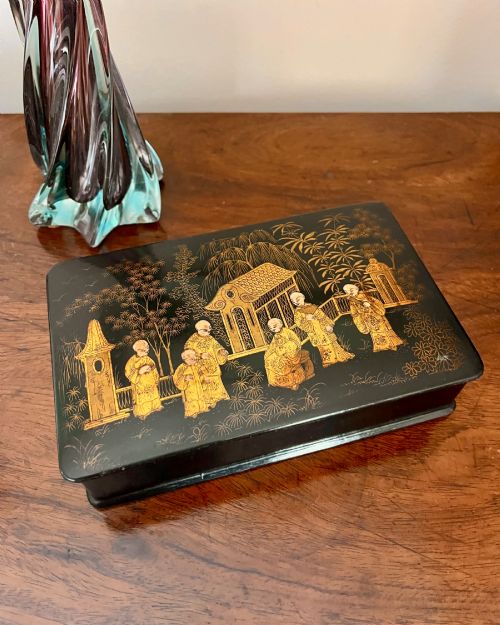
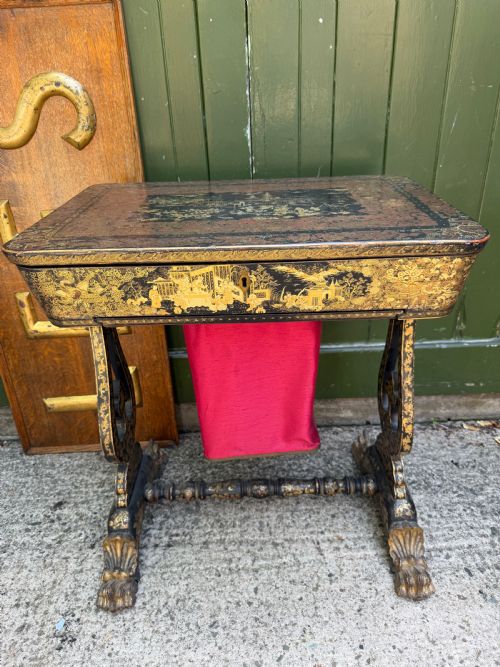
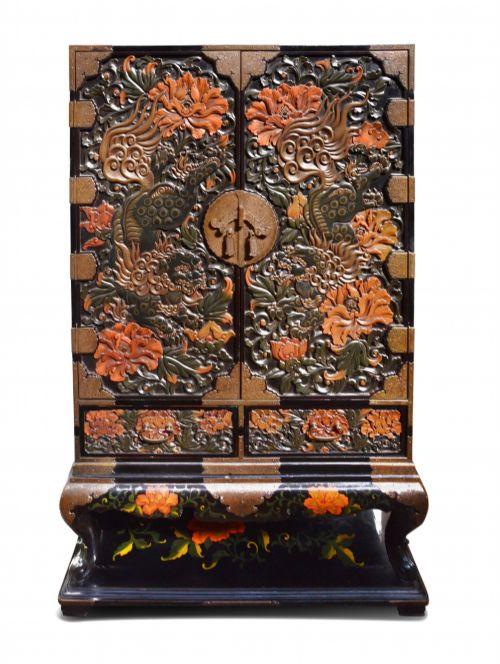
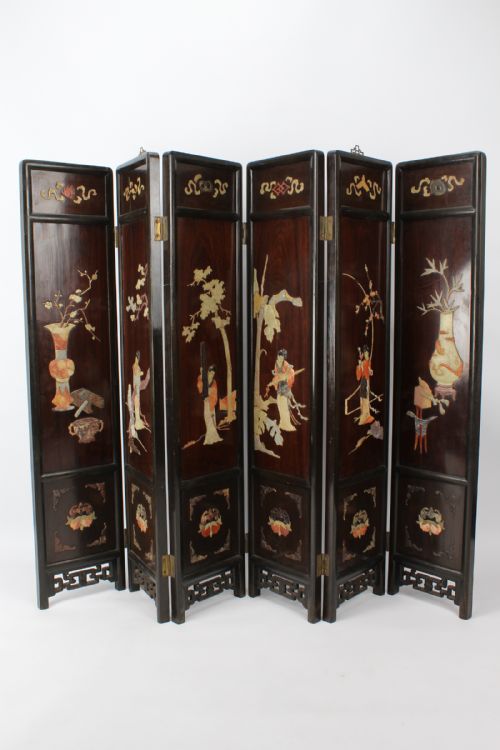
When you search for chinese export lacquer, you encounter an array of functional household objects produced in the Far East for European and American buyers from the eighteenth century into the twentieth. These range from tea caddies and sewing tables to large cabinets on stands, folding screens, and nests of tables.
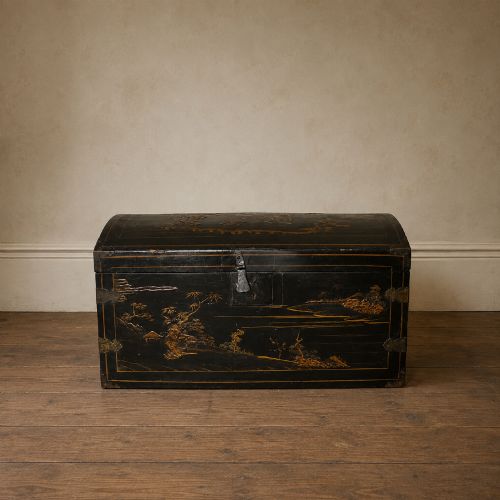
The nineteenth century provides the bulk of the examples you will meet on this page, spanning work boxes, occasional tables, and chests finished in dark grounds. Alongside these pieces, you find occasional twentieth-century interpretations and earlier eighteenth-century forms such as dressing mirrors and coffers.
How they were made
The foundation of these pieces relies on wood, sometimes pig skin or metal, built into robust forms like trunks, boxes, and tables before the application of repeated layers of resin. Artisans built up smooth surfaces ready to receive detailed ornamentation.
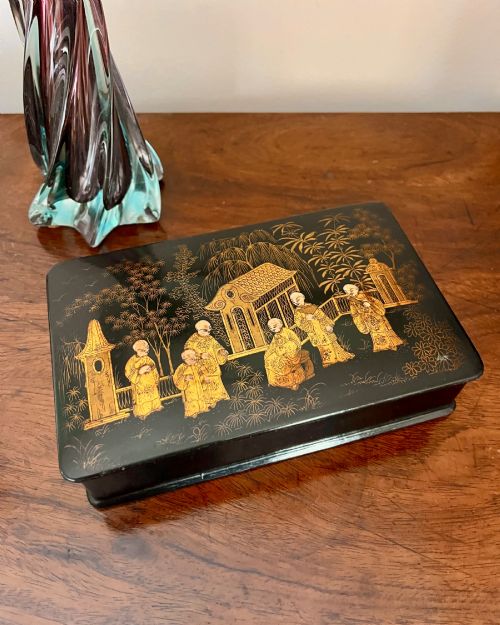
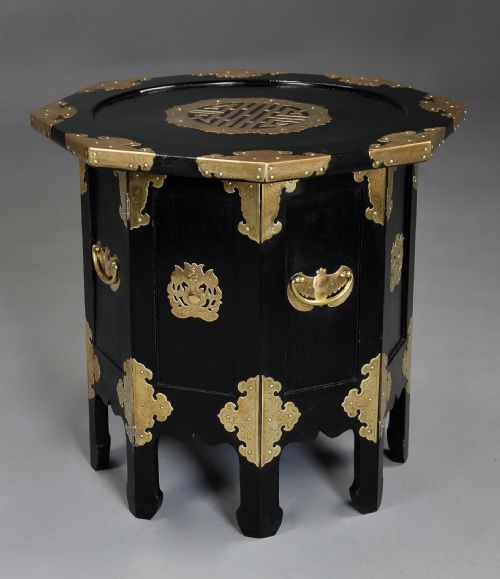
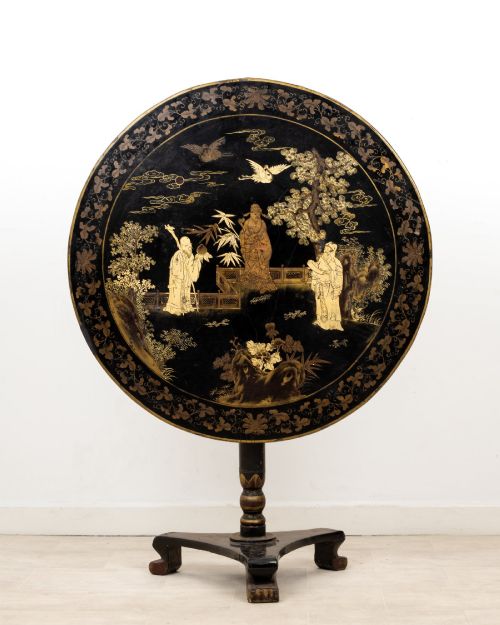
Decoration is executed using gold leaf, gilt, and occasionally mother-of-pearl inlay to build up figurative Chinoiserie scenes, landscapes, and floral motifs. Brass hardware frequently reinforces corners, hinges, and lock plates on campaign cases and chests.
Chinese Export Lacquer Retail Price Guide 2026
Typical asking prices for chinese export lacquer among the pieces listed under this phrase on Sellingantiques today, from the lower quarter to the upper quarter. They describe what is for sale here now, not the wider market.
The listings feature diverse forms spanning the 18th, 19th, and early 20th centuries, executed in lacquer, wood, and brass.
What varies in quality
The standard of chinese export lacquer is determined by the depth and precision of the gilt decoration and the stability of the underlying lacquer surface. Finer examples display crisp, densely detailed scenes with meticulous linework that remains sharp across the entire panel.
Construction quality also separates standard production from superior pieces, evident in the snug fit of cabinet doors, the weight of solid wood frames, and the preservation of original brass mounts rather than later replacements.
Lee Ching
The Chinese Export Lacquer Glossary
- Chinoiserie
- European interpretation and imitation of Chinese artistic traditions and motifs. This decorative style heavily influences the surface ornamentation found on many export pieces.
- Caddy
- A small box or chest designed specifically for storing tea leaves. These containers often feature internal lidded compartments and delicate gilt decoration.
- Gilt
- Gold applied to the surface of an object in the form of leaf or powder. It provides the bright contrasting motifs against the black or dark lacquer background.
- Cofer
- A large sturdy chest or box used historically for valuables and travel. They typically feature heavy brass hinges and carrying handles on the sides.
- Quartetto
- A set of four tables designed to slide neatly beneath one another, commonly known today as a nest of tables. These sets were popular in the nineteenth century for entertaining.
Chinese Export Lacquer: Frequently Asked Questions
What is Chinese export lacquer?
Chinese export lacquer refers to decorative and functional furniture and decorative objects made in China specifically for export to Western markets from the eighteenth century onwards. These items combine traditional Asian lacquering techniques with European forms and tastes.
Craftsmen utilised wood foundations finished with dark lacquer and detailed gilt ornamentation depicting landscapes, figures, and architectural elements. The resulting pieces served both practical household functions and decorative display purposes in Western homes.
How were work tables used?
Work tables, often referred to as sewing tables, were essential pieces of nineteenth-century furniture designed for ladies to store needlework, thread, and small accessories. They featured fitted interior compartments and often included a fabric bag suspended below.
In addition to needlecraft storage, the folding tops frequently provided a clean surface for writing or playing games. Their compact sizes and decorative gilt finishes made them suitable for placement in drawing rooms and parlours.
How do I care for lacquer?
Caring for antique lacquer requires maintaining stable environmental conditions away from direct sunlight and extreme temperature fluctuations. Excessive heat or dryness can cause the delicate wooden foundation and surface layers to crack or warp.
Dust the surface gently with a soft, dry cloth and avoid harsh chemical cleaners, polishes, or moisture. Preserving the original finish relies on a gentle touch and protection from heavy handling.
How do I identify periods?
Identifying the period of these pieces involves examining the furniture forms, construction methods, and the style of the gilt decoration. Eighteenth-century examples often feature architectural cabinets on stands and simpler, bolder motifs, whereas Victorian pieces frequently include complex sewing tables and nests of four tables.
Materials and hardware also offer clues, as early campaign chests utilise robust brass mounts, while later nineteenth-century items lean towards heavy Chinoiserie pictorial schemes. Comparing the cabinetwork to known dated parallels helps narrow down the decade of production.