



Chinese Export Imari Dishes
Chinese export imari dishes bring vibrant blue, iron-red, and gilt palettes into your home.
Chinese Export Imari Dishes
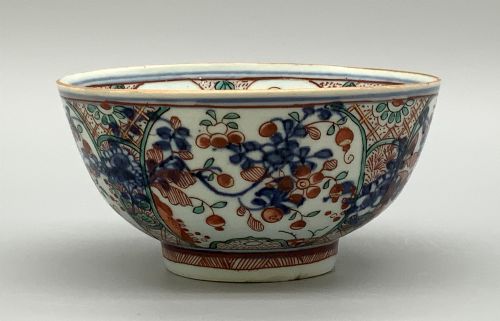
Chinese export imari dishes are decorative ceramics produced for international markets, combining traditional cobalt blue underglaze with iron-red and gilt details. When you search for chinese export imari dishes, you encounter plates, chargers, and bowls created during periods such as the eighteenth century and the Kangxi era.
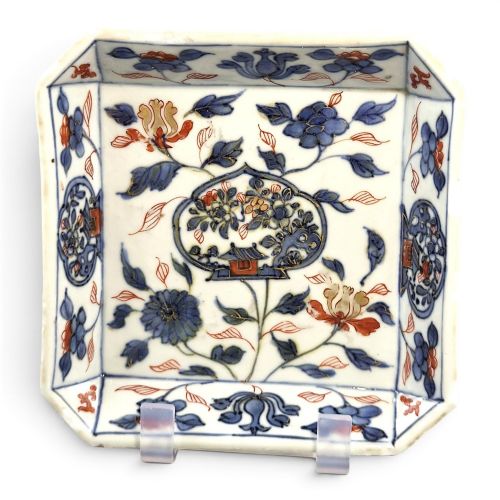
The pieces listed here showcase forms ranging from chamfered square bowls to large decorative plates and pairs of antique plates. Many items date from the eighteenth century, including specific pieces from the Qianlong dynasty and the Kangxi period.
You will also find select twentieth-century examples alongside eighteenth-century works, spanning Georgian and Qing dynasty timelines. These ceramics served as ornamental tableware for wealthy European and global households, prized for their striking polychrome decoration.
How they were made
Potters shaped these objects from ceramic and porcelain, applying cobalt pigment beneath the glaze for the foundational blue tones. Enamel and gold leaf or gilt were then added in subsequent firings to create the characteristic iron-red and metallic highlights.
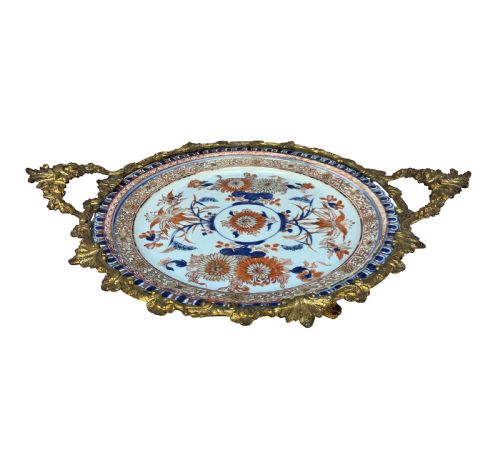
Certain pieces received elaborate metalwork mounts, specifically ormolu and gilt bronze, which elevated the status of the ceramic vessels and integrated them into Western interiors. The combination of underglaze blue, enamel, and applied bronze required sophisticated kiln control and meticulous metalfitting.
Chinese Export Imari Dishes Retail Price Guide 2026
Typical asking prices for chinese export imari dishes among the pieces listed under this phrase on Sellingantiques today, from the lower quarter to the upper quarter. They describe what is for sale here now, not the wider market.
The listings here feature porcelain and ceramic items alongside metal embellishments like ormolu and gilt bronze.
What varies in quality
The distinction between standard examples and superior pieces rests on the crispness of the cobalt painting and the richness of the gilding. Premium items display precise brushwork in the underglaze blue and well-preserved gold leaf that retains its brilliance.
Integration with secondary materials also defines the tier of a piece, particularly in mounts of ormolu or gilt bronze. Balanced proportions, careful casting of the metal mounts, and fine detail in the enamel decoration separate the finest examples from simpler production.
The Chinese Export Imari Dishes Glossary
- Imari
- A style of ceramic decoration originating in Japan and later replicated in China for export, characterised by a palette of cobalt blue, iron-red, and gold. This distinct colour scheme became immensely popular across European markets during the seventeenth and eighteenth centuries.
- Ormolu
- Finely ground high-carat gold applied to a bronze base, commonly utilised for decorative mounts on European and export ceramics. It provides a luxurious metallic border that enhances the visual weight of porcelain bowls and plates.
- Cobalt
- A mineral pigment used to create deep blue underglaze decoration on porcelain before firing. It withstands high kiln temperatures without losing its intense hue.
- Qianlong Dynasty
- A period of Qing dynasty rule spanning the eighteenth century noted for technical refinement in ceramic production. Pieces from this era often exhibit highly controlled enamel application and vibrant gilding.
- Kangxi Period
- An early era of the Qing dynasty associated with high-quality porcelain manufacture and distinct imari aesthetics. Surviving works from this time are frequently identified by their luminous glaze and precise detailing.
Chinese Export Imari Dishes: Frequently Asked Questions
What are chinese export imari dishes?
Chinese export imari dishes are porcelain plates, bowls, and chargers made in China for Western markets using blue, red, and gold.
They combine cobalt underglaze painting with iron-red enamel and gold leaf accents.
How do I date imari porcelain?
Dating relies on stylistic markers, reign periods like Kangxi or Qianlong, and material analysis.
Eighty-century pieces often show specific potting characteristics and distinct enamel formulations compared to later reproductions.
What do ormolu mounts indicate?
Ormolu mounts indicate that a ceramic vessel was valued highly enough to receive custom bronze ornamentation.
These additions were typically fitted in Europe to match contemporary interior styles.